7 Best Natural Humectants For Hair
With all the shampoos, conditioners, masks, and leave-ins available, it can be hard to know which ingredients actually help hair hold onto moisture.
One group worth understanding is humectants, ingredients that attract and bind water and can help hair feel softer, more flexible, and less dry when used in a balanced formula.
So, what are the best natural humectants for hair?
A good hair humectant helps attract and hold water around the hair fibre. The best option depends on your hair texture, porosity, climate, and the rest of your routine. Humectants usually work best when paired with conditioning ingredients that help smooth and seal the hair.
Below, we’ll explain how humectants work, how to choose one, and where each ingredient on our list fits into a moisture-focused hair routine.
What Is A Humectant?
Simply put, humectants are ingredients that attract and bind water.
In hair care, they can help increase water content around the hair fibre, especially when they are used in leave-ins, conditioners, gels, and masks.
On skin, humectants can support hydration. On hair, they can help improve softness, flexibility, and manageability, although they do not permanently repair damaged hair.
Your hair and scalp already contain water-binding substances, and many hair products add humectant ingredients to help support moisture.
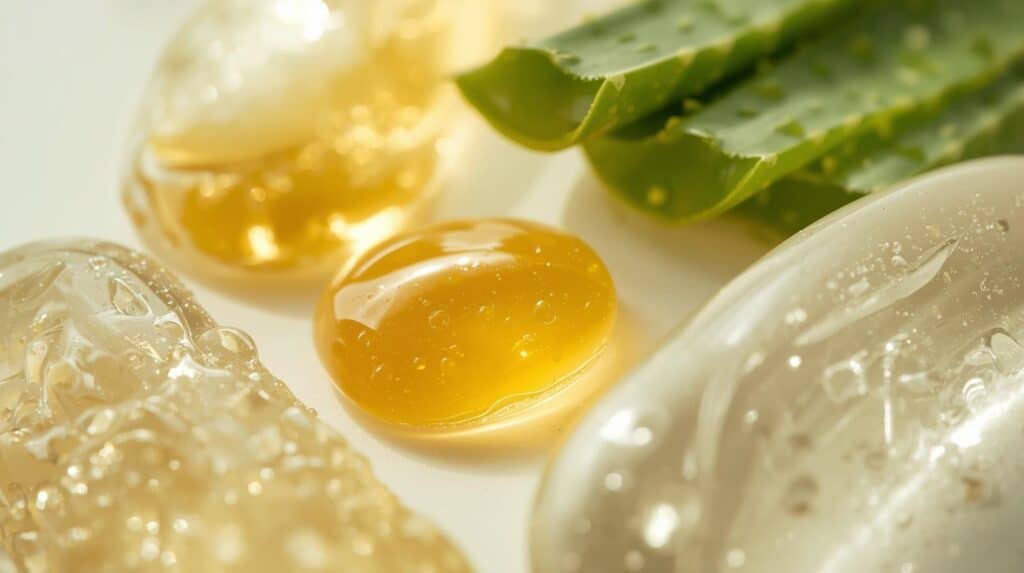
If your hair feels dry, rough, or prone to frizz, a product containing a humectant plus conditioning ingredients may help it feel softer and easier to manage.
Humectants are often discussed in curly-hair routines, but they can also be useful for straight, wavy, fine, thick, and textured hair. The amount and formula matter more than the curl pattern alone.
Straight or fine hair may prefer lightweight humectant formulas, while thicker or coarser hair can often tolerate richer conditioners and sealants layered over them.
For low-porosity hair, lightweight humectant-based leave-ins can be useful, but very heavy formulas may sit on the surface and cause buildup.
Rather than choosing the thickest product, start with a small amount and pay attention to whether your hair feels soft and flexible or coated and weighed down.
Climate matters, too. Humectants can behave differently in very dry or very humid conditions, so the same product may feel great in one season and less effective in another.
In dry weather, pair humectants with a conditioner, oil, butter, or other emollient or sealing ingredient. In high humidity, use a lighter hand if humectant-heavy products make your hair swell or frizz.
What Makes A Good Humectant?
Nurturing Ingredients
It’s a given that your humectant should support moisture, but the full formula matters just as much as the headline ingredient.
Look for a balance of humectants, conditioning agents, and sealants. Classic humectant ingredients in hair care include glycerin, honey, aloe-derived compounds, and water-binding plant sugars.
Be cautious with claims that a topical hair ingredient can stimulate collagen or directly grow thicker hair. For most products, the more realistic benefit is improving softness, lubrication, and moisture retention.
We’ll point out what each ingredient on this list can realistically contribute so you can choose one that suits your routine.
Hair Compatibility
Humectants can work with many hair types, but the amount and surrounding formula should match your hair’s texture, porosity, density, and tendency to become oily or weighed down.
It also helps to know the difference between a true humectant and ingredients that mainly act as emollients or occlusives.
For example, plant oils are not true humectants. They do not pull water into the hair, but they can help reduce friction, soften the strand, and slow moisture loss when layered over a water-based product.
Aloe vera contains water-binding compounds and can work well in lightweight formulas, while oils, butters, and waxes are generally better thought of as moisture-sealing partners.
The best choice is the one that leaves your hair soft, manageable, and properly conditioned without excessive buildup.
If a product consistently leaves your hair sticky, stiff, greasy, or frizzy, adjust the amount or switch to a different formula.
Feel Of Humectant
Some ingredients on this list feel light and watery, while oils, waxes, and butters can feel much heavier on the hair.
Light humectant gels and sprays may work well as leave-ins, while richer oils and butters are often better used sparingly as pre-wash treatments, sealants, or finishing products.
Your hair density, porosity, climate, and styling goals should guide how much you use and whether you rinse the product out or leave it in.
Best Natural Humectants And Moisture-Sealing Ingredients
| Rank | Humectant Type | Key Features |
|---|---|---|
| 1. | Prickly Pear Oil | Vitamin E rich, anti-dandruff, sweet aroma |
| 2. | Aloe Vera | Suitable for hair loss, soothing, clarifying |
| 3. | Algae Extract | Anti-dandruff, anti-irritant, rich in fatty acids |
| 4. | Coconut Oil | Protein loss, good for damaged hair, anti-dandruff |
| 5. | Avocado Oil | Strengthens, seals cuticles, prevents breakage |
| 6. | Beeswax | Seals strands, promotes hair growth, soothing |
| 7. | Shea Butter | Vitamin A/E rich, redness-reducing, rich in fatty acids |
1. Prickly Pear Oil
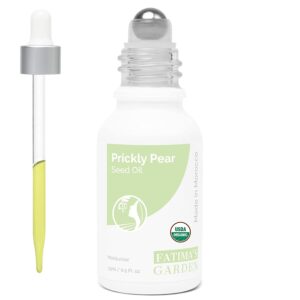
Prickly pear seed oil is rich in fatty acids and vitamin E, which makes it useful as a lightweight emollient for adding slip and softness.
Vitamin E also has antioxidant properties, although that does not mean the oil repairs damaged hair or changes hair growth at the follicle.
Prickly pear oil is not a true humectant because it does not attract water. It is better used after a water-based leave-in or conditioner to help smooth the hair and reduce moisture loss.
Its relatively light feel can make it a good finishing oil for people who want shine and softness without a very heavy coating.
There is not good evidence that applying prickly pear oil to hair increases collagen production in follicles or makes hair grow stronger. Treat it primarily as a conditioning oil.
Use a few drops on damp or dry lengths and ends, especially if your hair becomes rough or tangles easily.
2. Aloe Vera
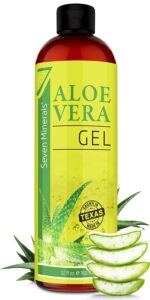
If you want a lightweight, water-rich option, aloe vera is one of the more useful ingredients on this list.
Aloe vera gel contains water and water-binding polysaccharides that can help hair feel hydrated and flexible. Some people also find it soothing on the scalp.
It can add slip and softness without the heaviness of an oil or butter, which makes it useful for fine, wavy, or easily weighed-down hair.
Aloe vera is closer to a true humectant-style ingredient than most of the oils and waxes on this list.
Its high water content and polysaccharides are what give aloe gel its lightweight, hydrating feel.
That does not mean pure aloe is risk-free for everyone. Patch test if you have sensitive skin, and stop using it if your scalp becomes itchy or irritated.
Curly and coily hair can use aloe vera, too. It often works best as one part of a richer routine, followed by a conditioner, cream, oil, or butter if more sealing is needed.
3. Algae Extract
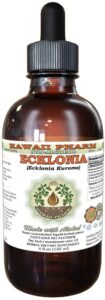
Algae extracts vary widely depending on the species, extraction method, and formula they are blended into.
Some algae-derived polysaccharides can help bind water and give products a slippery, conditioning texture, which is why algae extracts sometimes appear in hydrating hair formulas.
Algae extract is not a substitute for shampoo and should not be relied on to clarify heavy product buildup or remove dead skin from the scalp.
If the formula agrees with your scalp, it can be a pleasant conditioning ingredient, but claims that it treats inflammation or scalp disorders should be viewed cautiously.
This extract in particular is marketed as alcohol-free, which may appeal to people who prefer to avoid alcohol-based botanical extracts.
4. Coconut Oil
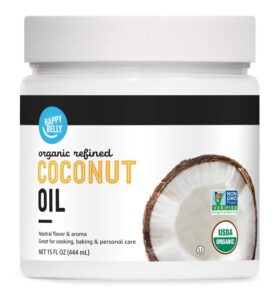
Coconut oil is not a humectant, but it is a useful emollient and pre-wash oil for some hair types.
Curly and coily hair often benefits from richer conditioning, but that does not mean every textured hair type needs or tolerates large amounts of oil.
Start with a small amount, especially if your hair is fine, low density, or easily weighed down.
Coconut oil is widely used in hair care because its fatty-acid profile allows it to interact with the hair fibre differently from many heavier oils.
For some people, it can help hair feel smoother and less rough, especially when used before shampooing.
It does not “shield the scalp from bacteria,” and it does not draw water into the hair like a humectant.
Use it as a sealant or pre-wash conditioning oil, ideally over or alongside a water-based moisturizing product.
5. Avocado Oil
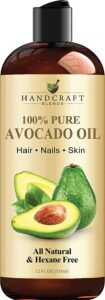
Avocado oil is another emollient rather than a true humectant, and it can work well for hair that likes richer oils.
It has a smooth, slippery feel that can help reduce friction during detangling, although it may feel heavy on fine or easily weighed-down hair.
For very dry lengths, you can try a small amount as a pre-wash or overnight treatment, protecting your pillowcase if needed.
Avocado oil does not penetrate into hair follicles. Its practical role is to coat, soften, and lubricate the hair shaft.
If your hair is so dry that it tangles easily, extra slip can make detangling gentler.
Work a small amount through the lengths and use a wide-tooth comb gently from the ends upward to avoid unnecessary pulling.
6. Beeswax
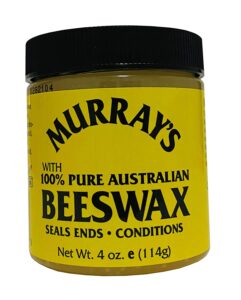
Beeswax is best thought of as an occlusive styling ingredient, not a humectant.
Because it is waxy and difficult to wash out, use it sparingly and avoid applying large amounts directly to the scalp unless the product is specifically designed for that use.
Beeswax can help coat the hair and slow moisture loss, which is why it often appears in pomades, edge products, and styling balms.
For best results, apply it over hair that already has moisture from water, leave-in conditioner, or another hydrating product.
Its strong sealing and styling properties can help smooth flyaways, but too much can create buildup and make hair feel stiff or greasy.
7. Shea Butter
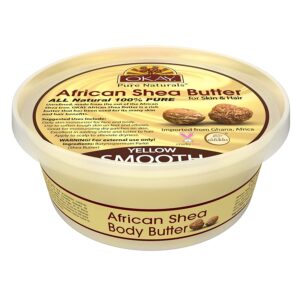
Shea butter is another rich emollient and sealant rather than a true humectant.
It can be especially useful for coarse, dry, or highly textured hair that benefits from heavier conditioning.
Fine or low-density hair may find pure shea butter too heavy, so start with a small amount or use it in a formulated cream.
Shea butter is rich in fatty compounds that can soften the hair and reduce friction when used in moderation.
Its main benefit on hair is conditioning and sealing, not pulling moisture from the air.
After use, hair may feel softer, smoother, and less frizzy, but the result depends on your hair type and how much product you apply.
Because it is thick, shea butter can work well as a pre-wash treatment or small finishing sealant. If you leave it on overnight, use a bonnet or towel to protect your bedding.
Related Articles
Best Oils For Low Porosity Hair