Can Eyeshadow Be Used As Blush?
Eyeshadow comes in everything from compact palettes to individual pans, with finishes ranging from matte to metallic.
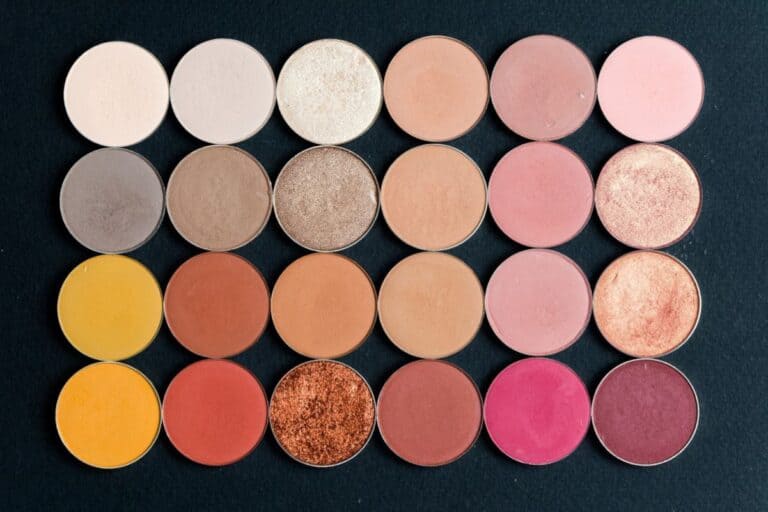
You can choose cream, metallic, satin, shimmer, and matte eyeshadow, and some formulas can do more than one job in your makeup routine.
Can eyeshadow be used as a blush?
Yes, you can often use eyeshadow as blush, especially if the shade and texture work well on your cheeks. Start with a small amount, blend carefully, and check the product label if you have sensitive skin or are unsure whether the formula is intended for broader face use.
If you want a more noticeable or party-ready effect, a soft shimmer can work well on the cheeks, although chunky glitter may emphasize texture or feel irritating on sensitive skin.
For a softer everyday look, matte or satin shadows are usually the easiest to blend as blush.
Cream and powder eyeshadows can both work as blush. The better choice depends on the formula, your base makeup, and the finish you prefer rather than your skin type alone.
Below, we’ll look at different eyeshadow textures and finishes, how to apply them as blush, and a few practical ways to make the result look natural.
Is It Okay To Use Eyeshadow As Blush?
Absolutely. Makeup products can sometimes be used in more than one way, and eyeshadow can work as blush or highlighter when the color and texture suit the area.
Some eyeshadows are very pigmented, so it is smart to start with less product than you think you need and build slowly.
If you’re using eyeshadow as blush, matte and satin finishes are the easiest place to start, although a subtle shimmer can also work if that is the look you want.
Lightly tap your brush into the eyeshadow instead of loading it heavily.
Then tap off the excess so the color goes on gradually.
Apply it the same way you would a regular powder blush, keeping the placement light and even.
You can blend over the apples of the cheeks, sweep upward toward the temples, or place the color higher on the cheekbones depending on the shape and finish you prefer.
A shimmery eyeshadow can also work as a highlighter, provided the particles are fine enough to sit smoothly on the skin.
Use a small highlighting brush and apply a light layer over the high points of the cheeks.
This video by Bridget Kat shows one way to repurpose eyeshadow as a highlighter.
Types and Finishes of Eyeshadow
Eyeshadow comes in several textures and finishes, and each behaves a little differently when you use it on the cheeks.
| Type of eyeshadow | How it can look on the cheeks |
| Pressed powder | Easy to build, blend, and control with a blush brush |
| Cream eyeshadow | Can give a dewy or skin-like finish depending on the formula |
| Loose powder | Can be highly pigmented and needs careful application to avoid fallout |
| Matte finish | Soft, natural-looking color without added shine |
| Shimmer finish | Reflective finish that can double as blush or highlighter |
| Satin finish | Gentle sheen between matte and shimmer |
- Pressed powder
Pressed eyeshadow is one of the most common formats and is available in both singles and palettes.
A palette can be useful if you want several cheek-friendly shades and finishes in one place.
- Cream eyeshadow
Cream eyeshadow can blend nicely onto both eyelids and cheeks. Some formulas give a dewy finish, while others set down and wear more like a stain.
- Loose powder
Loose eyeshadow can be very pigmented and may create more fallout, so use a small amount and blend carefully.
- Matte finish
Matte eyeshadow has little to no visible sheen, which makes it useful for adding cheek color without extra shine.
- Shimmer finish
Shimmer eyeshadow reflects light and can create a more luminous cheek look. Fine shimmer tends to sit more smoothly than large glitter particles.
- Satin finish
Satin finishes sit between matte and shimmer, giving the cheeks a soft glow without looking overly sparkly.
If you want more inspiration, Tina Yong shows several ways to repurpose eyeshadow, including using it on the cheeks.
Top 3 Best Eyeshadows You Can Use As Blush
Below are three eyeshadow palettes with shades that may also work as blush, depending on your skin tone and the current product formula.
Before using any eyeshadow regularly on the cheeks, check the current ingredient list and test the shade with a light hand, especially if your skin is sensitive or acne-prone.
1. NYX Ultimate Shadow Palette
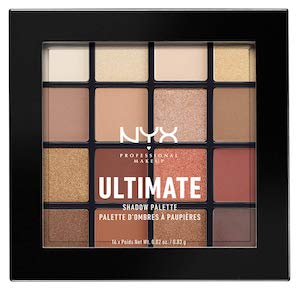
NYX is a widely available makeup brand known for colorful, affordable products.
This palette offers a range of finishes that can be useful for both eye looks and creative cheek color.
The palette includes 16 pigmented shadows, though exact shades and formulas can change over time.
Some shades may work well on the cheeks when applied lightly, especially softer pink, peach, rose, or bronze tones.
If you like experimenting with multi-use color, the NYX Professional Makeup Shadow Palette gives you several options in one compact.
You can find satin, matte, metallic, and shimmery shades in the range, depending on the specific version you buy.
Use the palette on the eyes as directed, and if you try a shade on the cheeks, blend gradually rather than assuming every color will work as blush.
2. CoverGirl TruNAKED Eyeshadow Palette
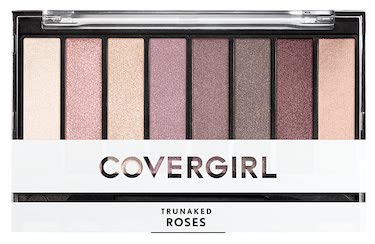
COVERGIRL is another widely available brand with affordable eye palettes.
If you prefer neutral tones, this palette offers softer shades that can be easier to adapt to the face.
Some colors may also work as blush or highlighter when the undertone suits your complexion.
You can mix shades together to create a custom cheek color, but start with a small amount because eye shadows can build quickly.
The palette includes eight shades.
Depending on the version, you can expect a mix of matte, shimmer, and deeper accent shades.
3. SHANY Natural Fusion 88 Colour Eye Shadow Palette
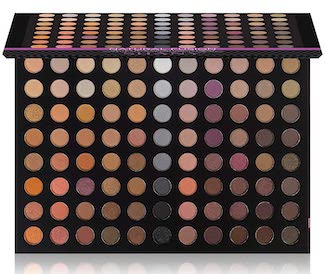
Last but not least, the SHANY Natural Fusion palette offers a very large color selection.
Its main appeal is the wide range of tones and finishes.
You get multiple rows of shadows, which gives you plenty of room to experiment with undertones.
The broad shade range makes it easy to find colors for eyes, cheeks, or contour-style effects if you use them carefully.
Because it includes so many shades, it can be convenient for travel if you prefer one large palette instead of several separate products.
The palette includes 88 colors, with both shimmer and matte options. Some shades may work as blush, contour, or highlighter depending on depth and undertone.
It also includes a built-in mirror and applicators, which can be convenient for travel or makeup kits.
How to Apply Blush Properly
Blush is one of the easiest ways to add color and dimension to a makeup look.
A little color on the cheeks can make the complexion look warmer, fresher, or more sculpted depending on placement.
There is no single “correct” placement for every face. Blush can create a lifted, rounded, soft, or sun-kissed effect depending on where you apply it.
Blush also helps bridge the transition between complexion products, bronzer or contour, and highlighter. Here are a few simple application tips.
- Envision your look
Start by deciding what finish you want: matte, satin, dewy, softly diffused, or bold.
Then choose the formula and tool that make that finish easiest to achieve.
- Work some makeup magic.
Apply blush where it suits the look you want. You can place it on the apples of the cheeks, blend it upward toward the temples, or keep it higher on the cheekbones for a more lifted effect.
- Make it last
If you want extra wear, a light layer of setting powder can help some cream products, while a setting spray can help meld powder layers together. Neither step is mandatory.
Urban Decay All Nighter is one popular setting spray option.
TheMakeupChair also demonstrates different blush placements for long and round face shapes in the video below.
Tips & Tricks For Using Eyeshadow As Blush
Eyeshadow is not automatically heavier than blush. The main difference is that eye products can have different pigment levels, binders, textures, and finishes.
Using eyeshadow on the cheeks does not automatically cause a breakout, but any makeup product can irritate or clog-prone skin if the formula does not suit you.
Remove eyeshadow, blush, and other makeup at the end of the day with a gentle cleanser that works for your skin.
Good cleansing can help reduce residue, but it cannot guarantee that you will never break out.
Eyeshadow pans are often smaller than blush pans, which can make it awkward to load a large blush brush.
Use a smaller fluffy brush if your regular blush brush does not fit comfortably into the pan.
You can also pick up a little product with a smaller brush and blend it onto the cheek with a clean face brush if that gives you better control.
If you’re using powder eyeshadow as blush, tap into the shadow lightly and remove excess before touching the face.
Then blend it onto your cheeks, adding more only if you need it.
If you want more dimension, use a deeper neutral shade very lightly beneath or behind the blush rather than treating any brown eyeshadow as a universal contour.
If you use a cream eyeshadow on the cheeks, tap it in with a fingertip, small brush, or makeup sponge and blend the edges quickly before it sets.
Pressing or tapping usually gives better control than rubbing, especially with highly pigmented creams.
If you’re using a pink eyeshadow as blush, start with a very small amount and build slowly.
Highly pigmented shadows can last a long time because you only need a little product.
Wrap Up
You can use eyeshadow as blush, and matte or satin shades are usually the easiest to adapt.
Shimmer can also work if you want a more luminous cheek look.
For a glittery effect, choose fine cosmetic shimmer rather than large, scratchy particles that may irritate the skin or emphasize texture.
Choose a shade that complements your undertone and blends naturally with the rest of your makeup.
You can also mix a small amount of compatible powder shadow with a cream base to experiment with custom color, but make only enough for immediate use instead of storing a DIY mixture.
Green eyeshadow can sometimes be used very lightly for color correction under complexion makeup, but a dedicated green corrector is usually easier to blend and formulated specifically for face use.
The goal of green corrector is to visually neutralize redness before foundation or concealer, not to treat the cause of the redness.
A bright, fine-shimmer eyeshadow can also double as a highlighter when it blends smoothly on the skin.
The most important thing is to work with a formula and shade your skin tolerates, then apply it with a light hand.
Related Articles
How To Make Matte Lipstick Creamy
13 Best Setting Powders For Dry Skin Of 2025
Eyeliner On Lower Lid Only (What To Do + What To Avoid)