
Does Manic Panic Work On Black Hair?
Manic Panic is well known for its creative semi-permanent hair colours, from soft pastels to deep jewel tones and vivid fashion shades.
The range includes soft pastels, deep jewel tones, neons, and bright shades, but the result depends just as much on your starting hair colour as the shade you choose.
Because these are direct, semi-permanent dyes, the final result depends heavily on the base colour underneath. The same shade can look dramatically different on platinum blonde, medium brown, and black hair.
The colours in Manic Panic’s range can look very bold in the jar, but a dark base can mute or completely hide much of that pigment once it is on the hair.
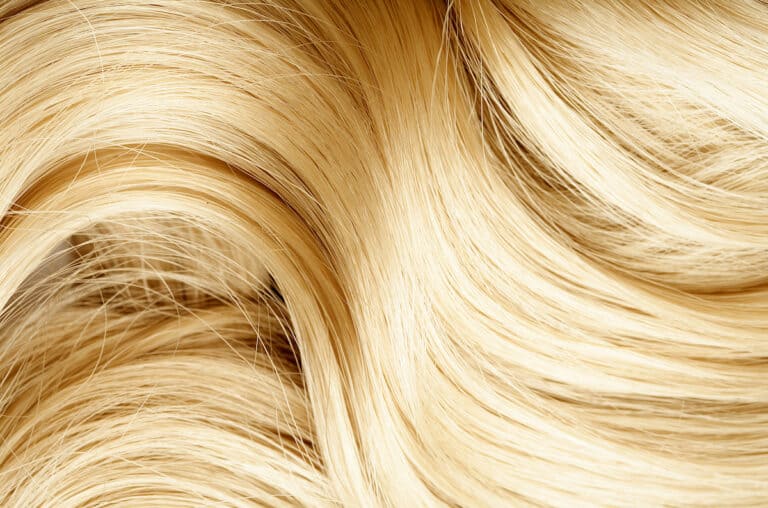
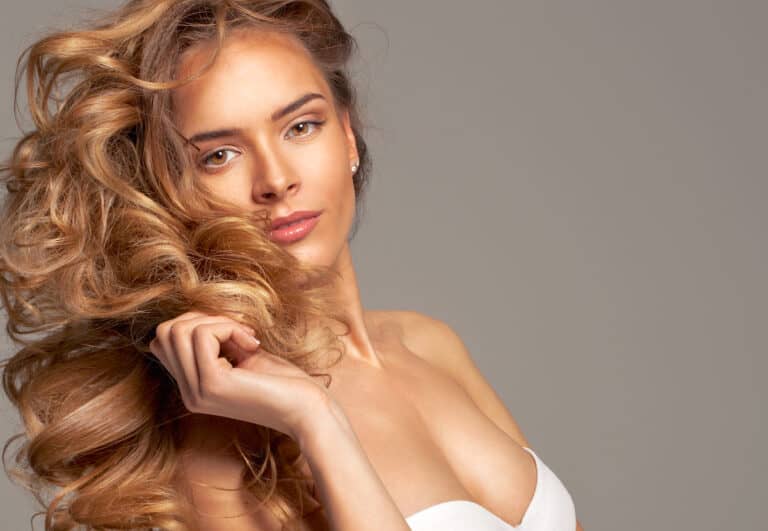
Pastels and bright fashion colours usually need a much lighter base to appear close to the swatch, while deeper reds, purples, burgundies, and blues may give dark brown hair a subtle tint or sheen without lightening.
The key question is whether Manic Panic works on dark or black hair without bleach, and how different the result will look compared with pre-lightened blonde hair.
So, does Manic Panic hair colour work on dark, black hair?
Manic Panic shows most vividly on light or pre-lightened hair. On naturally black hair, most shades create little to no obvious change indoors, although some deep reds, purples, and blues may leave a subtle tone or sheen in bright light. For a clearly visible fashion colour, the hair usually needs to be lightened first.
Below, we explain how Manic Panic behaves on dark hair, which shades have the best chance of showing, what pre-lightening changes, and how to set realistic expectations before colouring.
What Is Manic Panic?
Manic Panic is a hair-colour brand best known for creative semi-permanent shades.
Its range includes a wide selection of bright, pastel, neon, and deeper shades, with formulas the brand markets as vegan and cruelty-free.
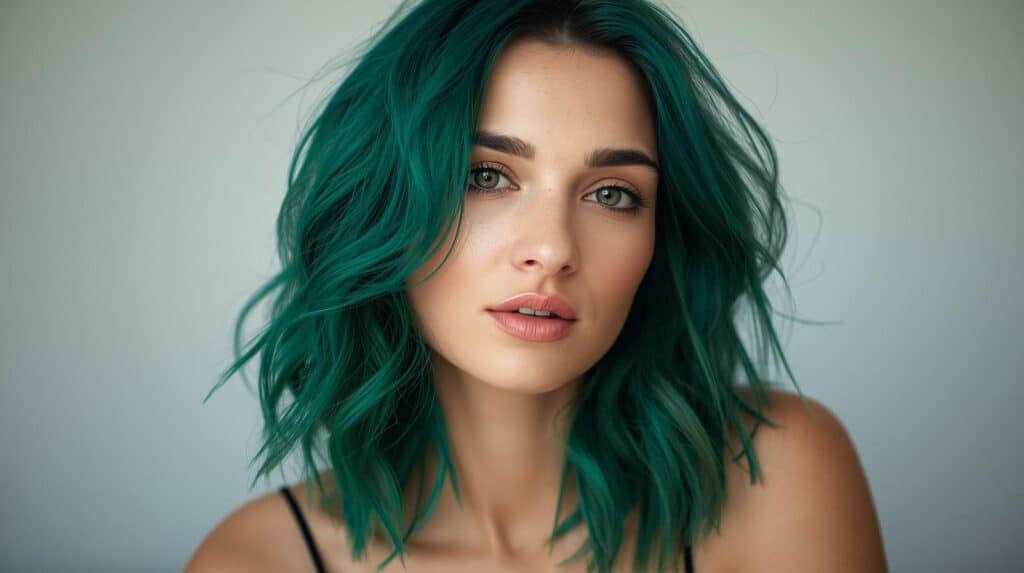
Manic Panic’s classic fashion colours are semi-permanent direct dyes, so they gradually fade with washing rather than permanently lightening your natural pigment.
Because the colour is deposited rather than used to lighten the hair, the formula can feel more conditioning than bleach or permanent oxidative colour. That does not repair or reverse damage caused by pre-lightening, though.
If your hair has been pre-lightened with bleach, focus on gentle handling and conditioning because the lightening step, not the Manic Panic pigment itself, is usually the more demanding part of the process.
Why Use Manic Panic?
Manic Panic has been associated with semi-permanent creative hair colour for several decades.
The broad shade range makes it useful for anything from a temporary tonal shift to a much more noticeable fashion colour, depending on the starting base.
They offer an array of creative shades, ranging from pastel to neon to UV colours designed to react under black light.
Unlike permanent oxidative hair colour, these direct dyes do not chemically lighten the natural base. They deposit pigment over the colour already there, which is why they cannot turn black hair into a bright pastel or neon shade on their own.
Many shades can also be mixed together to create a more customised colour, although the finished result will still be influenced by the colour underneath.
Your natural hair colour, previous dye, underlying warmth, porosity, and the level reached during pre-lightening all affect how accurately the shade shows.
The semi-permanent colour gradually fades with shampooing. How quickly that happens varies with the shade, hair porosity, wash frequency, water temperature, and the products you use.
Here is a brand tutorial from the creators of Manic Panic showing how they recommend using the colour:
Does Manic Panic Work on Black Hair?
On naturally black hair, Manic Panic generally will not create the bright colour shown on the swatch without first lightening the base to a level where the deposited pigment can be seen.
The reason is simple: semi-permanent colour does not lighten black hair. It adds pigment over the existing base, and a very dark base can visually overpower most fashion shades.
Manic Panic is a semi-permanent direct dye, meaning it primarily deposits pigment rather than lifting your natural hair colour.
That makes the starting level, undertone, porosity, and colour history especially important when predicting the result.
Some deeper shades may show as a tint without pre-lightening the hair, particularly on dark brown rather than true black hair, but the effect will be far more subtle than the colour shown on a light base.
If you want a visible tint on darker hair without bleach, deeper reds, burgundies, purples, and blues generally have a better chance of showing than pastel or neon shades. A hidden strand test is the easiest way to see what your particular base will do before colouring your whole head.
There is no single hair level at which the colour suddenly stops showing. Shade choice, lighting, porosity, previous colour, undertone, and the amount of pigment deposited all affect how visible the result is.
Bleaching the hair is a separate chemical process and can be unpredictable, especially on previously coloured or uneven hair. Avoid repeatedly lightening compromised hair simply to reach a brighter Manic Panic result.
Although Manic Panic’s colours are semi-permanent, the bleaching process used beforehand can leave hair drier, more porous, less elastic, and more prone to breakage if it is pushed too far.
If hair is overprocessed with bleach, it can become brittle, feel rough, and become more prone to breakage.
Before making a major colour change, do a strand test to see how your hair responds to lightening and what level, undertone, and condition you actually reach.
Once you know the lightened level and undertone, you can choose a Manic Panic shade that works with that base rather than against it.
For example, a warm yellow-orange base can shift or mute blue and purple dyes, while a very pale, even base gives pastel shades more room to appear closer to the intended tone.
What Colours Are Best To Use On Black Hair?
If you have black hair and want a visible Manic Panic result, first decide whether you are comfortable with a subtle tint or want a much brighter fashion colour that will require lifting the base.
For a bright or close-to-swatch result, the hair usually needs to be lightened first. How light depends on the shade you want to use and the warmth left in the base.
Deep reds, purples, and blues can show on a darker pre-lightened base, while bright neons and especially pastels generally need a much lighter, more even base to look noticeably vibrant.
If you do not want to lighten very far, stopping at a darker base may still allow a richer tint, but it will not give the same result as applying the dye to pale blonde hair.
Any time hair is bleached, there is a risk of dryness, increased porosity, and breakage, especially with repeated processing.
Although Manic Panic’s dyes have a conditioning base, they cannot reverse bleach damage. Use gentle cleansing, conditioner, careful detangling, and reduced heat styling if your hair feels dry or fragile after lightening.
If you are keeping the base relatively dark, richer and deeper tones are usually more practical than very pale pastels.
Colours like purples, dark pinks, reds, and blues are generally easier to notice on a darker base than pastel shades, although your strand test is the best preview.
Even after some lightening, pastel shades may still look muddy or barely visible if the base remains too dark or strongly warm. Pastels generally need the palest and most even starting point of the colour families discussed here.
How Vibrant Will Manic Panic Colours Be on Black Hair?
Manic Panic colours applied to dark hair without lightening are usually subtle.
On black hair, you may see little change or only a coloured sheen in strong light. On dark brown hair, a deeper shade may be easier to notice, particularly in direct sunlight or bright indoor lighting.
As a general rule, the darker the starting base, the less dramatic the visible colour change will be without lightener.
Hair that has not been lightened may be less porous than bleached hair, so the way the semi-permanent pigment deposits, stains, and fades can be different.

Untreated natural hair is often less porous than bleached hair. That can make direct dye behave differently, but it does not mean unbleached hair will automatically hold fashion colour better or fade more evenly.
How long the tint remains can vary widely with hair porosity, shade, shampoo routine, and wash frequency. Do not rely on one fixed number of weeks for every head of hair.
Other Hair Colours With Manic Panic?
Across the brand, Manic Panic offers a variety of colour options for different finishes and levels of intensity.
You can mix compatible shades to customise the colour, but remember that semi-permanent colour fades gradually and the exact wear time is not the same for everyone.
In general, the lighter and more even the base is, the more vibrant and predictable a fashion shade can appear, especially with pastels and neons.
Pre-lightening is not mandatory if you only want a subtle tint, but it is usually the key step when your goal is a bright result on naturally dark hair.
When hair is lightened with bleach, it usually becomes more porous. This can help direct dye grab strongly, but very porous or unevenly lightened hair can also take colour inconsistently and fade unevenly.
If you apply colour to hair that has not been lightened, expect the result to depend on the existing base, porosity, and shade rather than assuming it will fade faster or slower than pre-lightened hair.
Follow the product directions for any required allergy or sensitivity test, and do a separate strand test to preview the colour. These are different checks: one is about skin safety, while the other helps predict the result on your hair.
From there, you can choose among pastel, neon, deeper, or UV-reactive shades based on how light your starting base is and how much maintenance you are comfortable with.
On very light or platinum hair, some shades can remain visible for many washes, although fading speed varies and highly porous hair may stain or hold certain pigments longer than expected.
Conclusion
Although Manic Panic offers an extensive range of colours, applying most shades directly to black hair will usually give little visible colour payoff beyond a subtle tint or sheen.
The issue is not that black hair simply absorbs the dye. The dark base remains underneath the deposited pigment, so most bright colours cannot appear vivid enough to match the bottle, jar, or swatch.
If your goal is a clearly visible, vibrant colour, dark or black hair generally needs to be lightened first. The amount of lightening depends on the shade, starting colour, and condition of the hair.
Do not keep processing the hair simply to chase a paler base if it is already dry, stretchy, brittle, or breaking. Hair condition matters more than reaching a particular colour level.
Depending on the starting level, undertone, porosity, and shade selected, the result can range from a subtle coloured sheen to a much bolder fashion colour. When in doubt, test one hidden strand before committing to your whole head.
Related Articles
Best Purple Dye For Dark Hair Without Bleach
Blue And Red Hair Dye Mixed (What Color Will You Get?)