
Can I Wash My Face After Microneedling?
You can wash your face after microneedling, but check your aftercare instructions before reaching for your usual cleanser. The timing and products matter while your skin is recovering.
A water-only rinse and a full cleanse are not always allowed at the same time. Your clinic should tell you when to do each.
The advice also depends on whether you had standard microneedling, radiofrequency microneedling, or a treatment combined with other procedures.
Microneedling uses multiple very small sterile needles to create controlled micro-injuries that trigger a wound-healing response.
That response can stimulate collagen remodeling over time, while leaving the skin temporarily more sensitive to products and friction.
Your usual acne wash, exfoliating toner, or cleansing brush may be too irritating during this recovery period.
The goal of your first wash is simply to cleanse gently, not to remove every flake or make the skin feel squeaky clean.
Because the procedure intentionally disrupts the skin barrier, temporary soreness, burning, tightness, or tenderness can occur afterward.
Temporary redness and mild swelling are common, although the degree varies with treatment depth and individual response.
Follow your provider’s aftercare instructions closely while the barrier recovers, especially during the first few days.
Before you leave the clinic, ask for the first-wash time, the name of an appropriate cleanser, and written instructions for the products to use afterward.
Here is how to approach that first wash and the days that follow.
Can I wash my face after microneedling?
Yes, once your provider’s aftercare plan allows it. Some protocols permit a water-only rinse before cleanser; others require you to wait longer. When cleansing is allowed, use clean fingertips, cool-to-lukewarm water, and an approved gentle cleanser. Pat dry without rubbing, and keep exfoliants and retinoids paused until you are cleared to restart them.
This guide explains how to keep cleansing gentle after microneedling, what to avoid while the barrier is recovering, and why your provider’s instructions should take priority over fixed internet timelines.
Washing Your Face After Microneedling
After microneedling, your face may become slightly red and swollen. Some parts of your skin might even bleed a little.
You may want to wash away residue or cool your skin, but washing is not a treatment for swelling.

Avoid rushing to cleanse unless your provider specifically instructs you to do so.
For example, SkinPen’s published international aftercare instructions say to avoid cleanser during the first 24 hours while allowing cool-water rinsing as needed. This is a device-specific example, not a rule for every microneedling treatment.
If your instructions only say “do not wash,” ask whether that includes a plain-water rinse. Do not assume that a rinse and a cleanser wash mean the same thing.
That is why rubbing, fragranced products, strong actives, and unnecessary handling are best avoided.
Do not scrub off dried spots or remove a product the clinic told you to leave in place. Ask how to handle residue if the instructions are unclear.
If you were not given a first-wash time, call the treating clinic before using your normal cleanser.
For uncomfortable swelling or pain, ask the clinic which comfort measures and medicines are appropriate for you. Worsening pain needs assessment rather than repeated washing.
Once cleansing is allowed, the following steps keep handling to a minimum.
Use Lukewarm Water After Microneedling
Start with clean hands. Wash them thoroughly before touching your face, and keep hair away from the treated area.
Have a clean, soft towel ready so you do not need to use a damp, shared hand towel afterward.
Avoid very hot water and anything that feels uncomfortable on freshly treated skin.
Choose a comfortable cool-to-lukewarm temperature. Avoid ice-cold water if it feels painful or uncomfortable.
If you shower, avoid a hot, steamy shower or directing a forceful stream at the treated skin. Follow your clinic’s instructions on showering and heat exposure.
Gently wet your face. If cleanser is allowed, spread a small amount lightly with your fingertips, then rinse thoroughly without prolonged massage.
Try not to rub your skin, and definitely avoid using any scrubbing devices or a face cloth.
Pat dry with a clean, soft towel instead of dragging it across your face. Do not buff away any flakes.
Apply only the aftercare product your provider has approved, following its timing and application instructions.
What Face Washes Can You Use After Microneedling?
Whether you should use cleanser at the first wash depends on the aftercare protocol. Some providers recommend water only initially, while others allow a gentle cleanser.
A familiar cleanser can still sting on newly treated skin. Tolerating it before the appointment does not guarantee it will feel comfortable immediately afterward.
Look for a mild, fragrance-free cleanser without exfoliating or acne-treatment ingredients, and confirm it fits your clinic’s protocol.
One option to ask your provider about is CeraVe Hydrating Facial Cleanser, a fragrance-free, non-foaming formula intended for normal-to-dry skin. It is an example of a gentle cleanser, not permission to cleanse before your aftercare plan allows it.
You do not need to avoid every foaming cleanser or every sulfate by definition, but a very stripping, fragranced, or high-lather formula may feel uncomfortable on recently treated skin.
Avoid salicylic acid, glycolic acid, retinoids, benzoyl peroxide, scrubs, and other potentially irritating actives until your provider says your skin has recovered enough to restart them.
Many acne washes contain salicylic acid or benzoyl peroxide, both of which can sting or irritate a freshly treated barrier.
Check the exact product name and ingredient list. A brand’s hydrating cleanser and its acne or exfoliating cleanser are not interchangeable.
Cleansing wipes and micellar water are not automatic substitutes: they can involve rubbing or leave ingredients on the skin. Ask before using them during early recovery.
If even an approved cleanser causes strong or persistent burning, rinse it off gently and contact your provider. Do not keep washing to try to relieve the reaction.
When Can You Resume Your Regular Skincare Routine After Microneedling?
The American Academy of Dermatology notes that common reactions such as redness, discomfort, and swelling usually settle within a few days to a week. That recovery range is not a timetable for restarting every product.
Redness and swelling usually improve gradually, but recovery speed depends on treatment depth, skin sensitivity, and aftercare.
Do not use appearance alone as the signal to restart every active product. Follow your provider’s instructions and reintroduce potentially irritating products gradually.
Being ready for a gentle cleanser does not necessarily mean you are ready for an acid toner, retinol, or a scrub.
Keep the recovery routine short so it is easier to notice if a product causes irritation.
Ask for separate restart instructions for cleanser, moisturizer, sunscreen, makeup, and any prescription skincare.

If your skin is still stinging, raw, or peeling when you reach the planned restart date, check with the clinic before adding actives back.
Once cleared, reintroduce products one at a time rather than restarting your whole routine in one evening.
Strong acids, retinoids, benzoyl peroxide, fragranced products, and scrubs are common examples of products that may need a longer pause.
Products commonly paused during recovery include:
- Salicylic acid, a beta hydroxy acid (BHA)
- Benzoyl peroxide acne treatments
- Glycolic acid and other alpha hydroxy acids (AHAs)
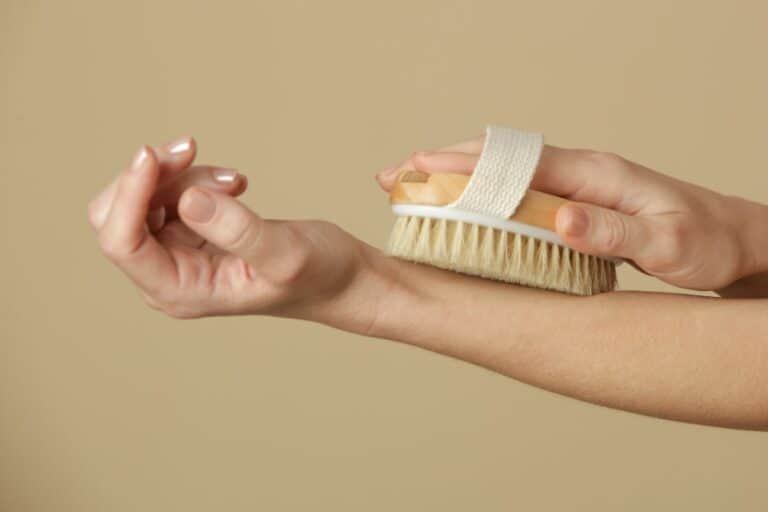
- Scrubs, cleansing brushes, and exfoliating pads
- Retinol and prescription retinoids
- Fragranced or essential-oil-containing products
- Strong or acidic vitamin C formulas
These products do not all need the same pause. Get a restart plan for your particular formulas, especially prescribed treatments.
If a restarted product causes renewed stinging or redness, stop it and ask for advice rather than pushing through the irritation.
When it comes to washing your face, return to your regular cleanser only once it feels comfortable and your provider has cleared it, especially if the formula contains actives or fragrance.
Keep using light fingertip pressure even after recovery. Scrubbing harder does not make a cleanser work better.
What To Do About Dry Skin After Microneedling?
Dry and flaky skin is a common side effect of the healing process after microneedling.
Flaking can develop as the skin recovers. It does not mean you need to exfoliate, and more peeling is not evidence of a better result.
Increasing pain, spreading redness, discharge, or worsening crusting should be checked by your provider rather than treated as ordinary dryness.
Tight patches can make you want to wash more often, especially if the skin feels coated with product.
Extra cleansing can leave the area feeling drier. Stick to the frequency in your aftercare plan instead of washing whenever you notice flakes.
Let flakes shed on their own. Use the moisturizer or recovery product your clinic recommends, beginning when they instruct you to apply it.
Avoid physical scrubs, cleansing brushes, picking, and salt scrubs on recently microneedled skin. These can create extra irritation and mechanical damage while the barrier is still recovering.
Instead, cleanse gently with your hands, pat dry, and apply a simple moisturizer recommended for the recovery period.
If dryness is worsening or lasts beyond the recovery your clinician described, check in before adding a mask, oil, or exfoliant.
Final Thoughts
For your first wash and the recovery period, keep these basics in mind:
- Follow your provider’s instructions for when to perform the first cleanse; the wait time is not identical for every microneedling treatment.
- When cleansing is allowed, use cool-to-lukewarm water and avoid rubbing, washcloths, brushes, or scrubs.
- Use a gentle cleanser only when your aftercare plan allows it, and choose a bland formula without exfoliating actives.
- Use only the post-procedure products approved by your provider while the barrier is recovering.
- Reintroduce acids, retinoids, benzoyl peroxide, and other strong actives gradually according to your provider’s timeline.
- Treat dry or flaky skin with gentle cleansing and moisturizer, and do not scrub or peel the flakes off.
Protect treated skin from sun exposure with shade and a hat. Ask when to start your provider-approved broad-spectrum sunscreen; do not apply an unapproved product immediately after treatment.
If you accidentally washed earlier than instructed, avoid further rubbing or extra products and contact the clinic with the timing and cleanser used. An early wash does not by itself prove that the treatment has failed.
Contact your provider promptly for worsening pain, spreading redness, pus, fever, marked swelling, blistering, or symptoms more severe than the recovery you were told to expect. Do not wait for a set number of days if symptoms are getting worse.
Keep the first cleanse gentle and follow the plan for your specific procedure. Healing skin needs a simple routine, not a more intensive one.
Related Articles
Makeup After Microneedling – Complete Guide
Types Of Facials And How To Choose – Complete Guide