Beauty Services List – What’s Worth The Cost And What Isn’t?
A fresh haircut and colour, a manicure, or a professionally performed skin treatment can feel like a worthwhile reset when it fits your goals, budget, and tolerance for upkeep.
Some beauty services are inexpensive treats, while others require a much larger commitment of money, maintenance, and time. Their value depends on the result you want, how often you need the service, and whether there is a simpler alternative you would be equally happy with.
With new treatments and trends appearing constantly, the number of beauty services on offer can feel overwhelming.
With so many skin, hair, nail, and brow treatments available, it can be difficult to tell which services justify a professional appointment and which you may prefer to do at home.
Which beauty services are worth the cost, and which aren’t?
There is no universal list of beauty services that is worth the money for everyone. Your budget, maintenance tolerance, safety, desired result, and ability to recreate the look at home all matter. The most useful comparison is what you get from the service versus its total cost and upkeep.
For example, a gel manicure may not feel worth the cost if you enjoy painting your nails at home and do not mind more frequent touch-ups.
On the other hand, you may value the longer wear, nail art, or simply the time spent having the service done for you.
Below, we compare common beauty services by cost, maintenance, convenience, safety, and the type of result they provide.
The most useful question is not which service is universally worth it, but which one gives you a result you value enough to justify the price, upkeep, downtime, and risk.
Skin & Body Care
Many people build consistent at-home skincare routines before considering professional treatments.
A simple, consistent routine can be enough for many everyday concerns and is often more cost-effective than repeated procedures.
Depending on your goals, that routine might include moisturiser, sunscreen, retinoids, peptide products, or antioxidant serums.

However, topical skincare and professional procedures do different things. A consistent home routine may be enough for many concerns, while procedures can offer options for concerns that are not easily changed with cosmetics alone.
If you are considering a clinical skin treatment, choose it for a specific concern and discuss expected benefits, risks, downtime, and aftercare with a qualified professional before booking.
1. Chemical Peels
Chemical peels use chemical solutions to exfoliate the skin. Depending on the peel depth and ingredients used, they may improve the appearance of uneven tone, some fine lines, rough texture, and certain types of discoloration.
There are superficial, medium-depth, and deeper chemical peels, with different ingredients, recovery times, and levels of risk.
Cost: Chemical peel pricing varies widely by peel depth, ingredients, provider credentials, location, and whether a series is recommended.
Ask what is included in the quoted price, including consultation, aftercare, and any follow-up visits.
Results and downtime vary by peel depth, skin type, and the concern being treated. Light peels often require a series of treatments, while deeper peels involve more recovery and should be performed with appropriate medical oversight.
Who Is It For: People interested in improving uneven tone, rough texture, some fine lines, or certain types of discoloration. The right peel depends on your skin tone, sensitivity, medical history, and the concern being treated.
2. Massage
A classic body massage may appeal if you value relaxation, temporary relief from muscle tension, or the spa experience itself.
People who sit for long periods or carry stress in the neck and shoulders may especially enjoy the short-term comfort a massage can provide.
Cost: Massage pricing varies by session length, provider, location, and whether the service is offered in a spa, clinic, or hotel.
Compare the duration and type of massage rather than relying on one typical price, especially if add-ons or gratuity are not included.
Local prices can differ substantially, so check current rates in your area before deciding whether the experience fits your budget.
Who Is It For: People looking for relaxation and temporary relief from muscle tension. Persistent or severe pain should be assessed appropriately rather than treated as a beauty-service issue.
3. Laser Hair Removal
Laser hair removal targets pigment in the hair follicle to reduce future hair growth. It is better described as long-term hair reduction than a guarantee of permanent hair removal.
It does not suit every hair type, skin type, medical history, or budget.
It generally responds best when the hair contains enough pigment for the laser to target, and multiple sessions are usually required because hairs grow in different cycles. Modern devices can treat a wider range of skin tones, but the device and settings should be chosen carefully for the individual.
Cost: Laser hair removal usually requires a series of sessions, so compare the total treatment plan rather than the cost of one appointment.
However, the price will vary by the size of the area being treated and how many sessions will be required.
Who Is It For: People who want long-term reduction of unwanted facial or body hair and whose hair color, skin tone, medical history, and treatment area are suitable for the laser being used.
4. Microdermabrasion
Microdermabrasion is a superficial exfoliation treatment that removes part of the outermost layer of skin and can temporarily make the skin feel smoother and look brighter.
It uses a unique applicator to exfoliate dead skin cells from the surface.
At-home exfoliating devices are not equivalent to a professional microdermabrasion treatment. Technique, device strength, skin type, and sanitation all affect the risk of irritation.
Cost: Microdermabrasion pricing varies by provider, location, and whether it is purchased as a single session or a series.
Downtime is usually limited, although temporary redness, tenderness, or increased sensitivity can occur. Results are generally temporary, and repeat sessions may be recommended depending on the goal.
Who Is It For: People interested in a relatively gentle professional exfoliation for dullness, mild texture concerns, or a temporarily smoother appearance. It is not a substitute for treatments intended for deeper scars or more pronounced wrinkles.
5. Dermaplaning
Dermaplaning is a professional skin-resurfacing procedure that uses a blade to remove superficial skin cells and fine facial hair. At-home facial razors can also remove peach fuzz, but they are not identical to professional dermaplaning.
However, it may be worth splurging on a dermaplaning service to avoid harming yourself or your skin.
At-home razors can nick or irritate the skin if used incorrectly, especially over active acne, irritated skin, or an unclean surface. A clean tool and careful technique matter.
Cost: Dermaplaning prices vary by provider and location. Repeat timing should be based on how your skin recovers and the guidance of the professional performing the treatment rather than a fixed every-few-weeks schedule.
Who Is It For: People who want temporary removal of peach fuzz and superficial exfoliation and whose skin is suitable for the procedure.
6. Hydrafacial
HydraFacial-style treatments overlap with microdermabrasion in some goals, so compare what each service adds before paying for both.
HydraFacial-style treatments combine cleansing, exfoliation, suction, and topical solutions delivered with a handheld device. They are cosmetic treatments rather than a substitute for medical treatment of a skin condition.
Cost: HydraFacial-style treatments vary by provider, treatment level, boosters, and location, with add-ons increasing the total.
Who Is It For: People looking for a salon or clinic facial focused on cleansing, exfoliation, and temporary hydration. If you have active inflammatory acne, rosacea, a sunburn, broken skin, or another active skin condition, ask a dermatologist or the treating professional whether the procedure is appropriate before booking.
Suitability still depends on the current condition of your skin, so active irritation or a diagnosed skin condition should be discussed before treatment.
7. Waxing
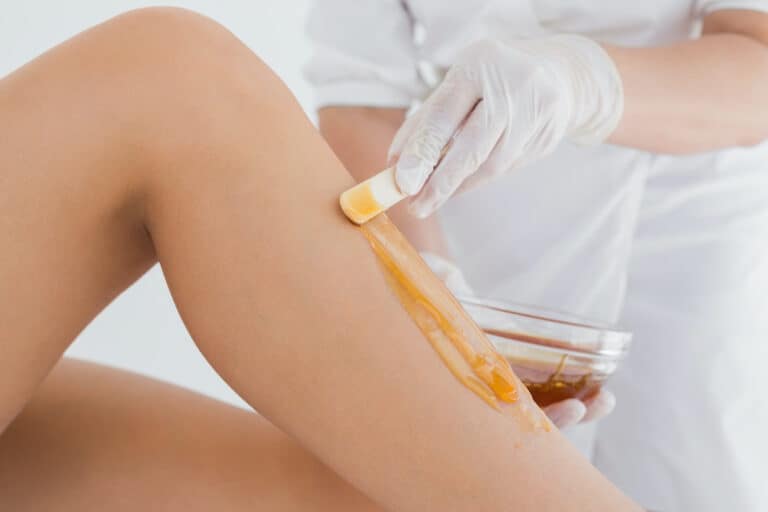
Waxing is a common salon service for removing hair from the root.
However, it may not be for everyone.
Waxing can suit people who prefer hair removal that lasts longer than shaving and are comfortable with the temporary discomfort and regular maintenance.
People with reactive skin may experience more redness or irritation, and waxing can be inappropriate over compromised skin or in some situations involving retinoids or recent skin treatments.
You could also try using a sugar waxing kit or a hard waxing kit at home, but temperature control, skin preparation, and technique matter if you want to avoid burns, bruising, or skin lifting.
Cost: The cost of waxing can vary greatly depending on where you want to get waxed.
Eyebrows can be affordable, while full legs may cost more.
8. Makeup
Applying makeup daily can be enjoyable, creative, and part of a relaxing routine.
People with a busy routine may prefer services that reduce the amount of daily styling they choose to do.
For example, not everyone wants to spend hours drawing on eyebrows.
Services such as lash lifts, brow laminations, tinting, and cosmetic tattooing can change how much daily makeup you want to apply, although each comes with different upkeep and risk.
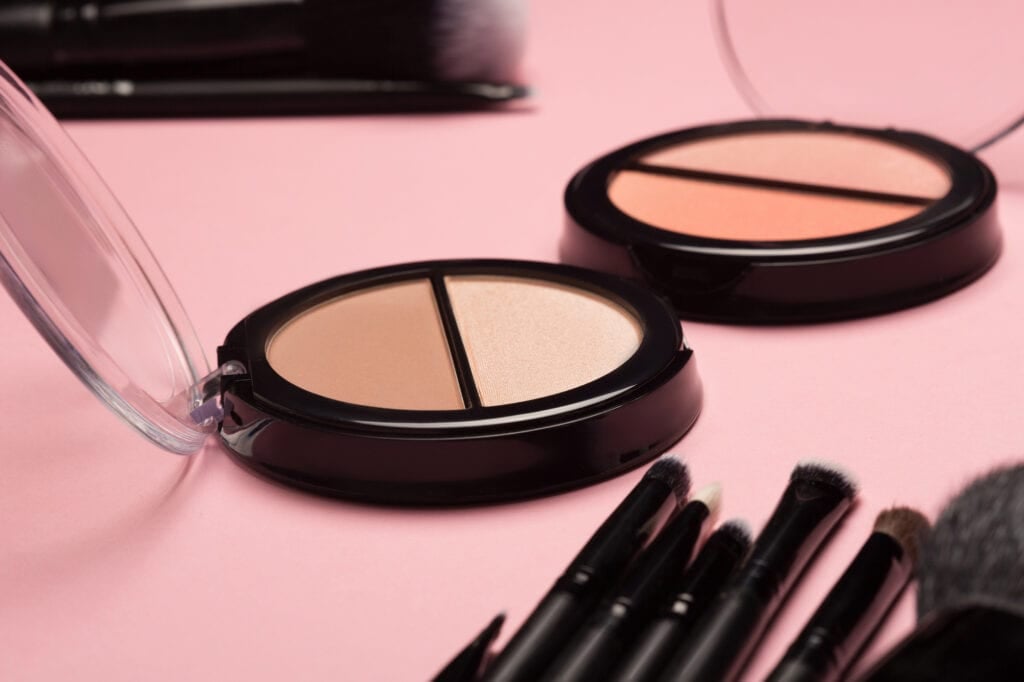
Lash lifts, permanent makeup, and brow laminations can all add definition using your natural features or cosmetic pigment, but none is maintenance-free.
9. Lash Lift
Lash lifts use chemical solutions to reshape the curl of your natural eyelashes, similar in principle to a perm.
The lifted effect commonly lasts for several weeks and gradually grows out with the natural lash cycle. Exact longevity varies by lash growth, technique, and aftercare.
They can be lower maintenance than extensions because no artificial lashes are attached, although natural lashes still shed as part of their normal growth cycle.
They can also be paired with a tint to add more definition.
Cost: Lash lifts can also vary in price depending on where you get them done.
Compare local pricing, whether a tint is included, the technician’s experience, and any aftercare products before booking.
Who Is It For: People who want their natural lashes to look more lifted and curled without adding extensions. A lift does not create new length or density, although the curl can make lashes appear longer.
10. Eyebrow And Eyelash Tinting
Eyebrow and eyelash tinting is often one of the lower-cost salon services, although prices vary by location and whether it is bundled with another treatment.
Check what dye system is used, whether a patch test is required, and whether the service is legally permitted for the eye area where you live.
Tinting can remain noticeable for several weeks, but longevity varies with the product, hair growth, cleansing routine, and how quickly the colour fades.
Tinting is often paired with a lash lift and can make naturally light brow or lash hairs look more visible without adding new hairs.
Finally, tinting can make light hairs look more visible and defined, but it does not add new hairs or physically increase density.
11. Permanent Makeup
Permanent makeup requires more consideration than a temporary salon service because it involves implanting pigment into the skin.
It may appeal to people who value long-lasting definition, but the commitment, healing period, touch-ups, and removal difficulty should be weighed carefully.
It may take some time to find a trusted and experienced cosmetic tattoo artist.
Results can look subtle or more defined depending on the technique, pigment choice, anatomy, and artist.
Permanent makeup is a form of cosmetic tattooing used for areas such as the eyebrows, lash line, and lips. Results can fade or shift over time, but the pigment should still be treated as a long-term commitment.
Cost: Permanent makeup pricing can vary widely by treatment area, artist, location, included touch-up, and complexity.
Compare healed work, sanitation practices, training, local licensing requirements, touch-up policy, and removal options before choosing an artist.
Who Is It For: People who want long-lasting cosmetic definition and understand the healing process, maintenance, possible pigment changes, and difficulty of removal. Choosing a properly trained professional who follows local sanitation and licensing requirements is especially important.
However, it can be a long commitment and challenging to remove.
12. Brow Lamination
Brow lamination is another temporary chemical reshaping service that uses a process similar in principle to a lash lift.
The service uses chemical solutions to make brow hairs easier to redirect into a brushed-up or more uniform shape. It changes how the existing hairs sit rather than creating new brow hair.
If you only want a brushed-up effect for a day, a brow gel or styling soap may give you enough hold without chemical processing.
The appeal is convenience: the hairs stay easier to direct for several weeks, and the service can also be paired with a tint.
Cost: Brow lamination pricing varies by salon, location, and whether shaping or tinting is included.
Compare the total service package rather than choosing only by the lowest advertised price.
Nails
Nail services range from basic grooming to elaborate gel or extension appointments.
Professional nail services are optional for most people, especially if you enjoy doing your own nails at home.
For example, some people love to do their nails at home while others prefer to be in a salon atmosphere.
You may still prefer professional help for more durable gel services or specialised foot care, although medical problems should be handled by an appropriately qualified healthcare professional.
Nails can be affordable or expensive, depending on where you go and any extras that rack up the price.
1. Gel Manicures
Gel manicures use polish that cures under a compatible lamp, which can provide a glossy finish and longer wear than many traditional polishes.
You can incorporate various nail art designs or accessories to express your personality.
Cost: Gel manicure pricing varies by salon, location, removal, nail art, and whether strengthening or extension products are added. Wear time also varies with nail growth and daily use.
Nail art can also affect the price.
An at-home gel nail kit may reduce salon spending, but curing the product fully with a compatible lamp and avoiding uncured gel on the skin are important because repeated acrylate exposure can contribute to allergic reactions. our favorite available on Amazon.
Who Is It For: Anyone who values longer-wearing polish and is comfortable with the removal and upkeep. Gel polish itself does not make the natural nail grow faster or guarantee protection from breakage.
For many people, the value is simply enjoying a polished look or using nail art as a form of self-expression.
2. Pedicures
Pedicures can provide cosmetic nail care, grooming, and a relaxing experience. They are not a replacement for medical care when there is persistent pain, infection, a wound, or another foot problem.
Some providers offer medical or medically supervised foot-care services, but persistent pain, signs of infection, nail disease, or wounds should be assessed by an appropriate healthcare professional.
For some people, the value comes as much from the grooming and relaxation as from the polish itself.
Cost: Pedicure prices depend on the salon, treatment length, polish type, callus care, nail art, and added services.
Hair
Hair services can range from occasional trims to high-maintenance colour appointments, so upkeep varies considerably.
Some services only need occasional appointments and can make styling easier or refresh the shape and appearance of the hair.
The key is choosing a cut or colour plan that matches how often you realistically want to return to the salon.
For example, a high-quality cut can grow out while still keeping your initial shape.
If the lengths feel dry or rough, a conditioning mask can improve softness and slip without implying that damaged hair has been permanently repaired.
1. Haircuts
Simple trims can be done at home, but a professional haircut may be worth the cost when you want a major shape change, bangs, layers, or a cut designed to grow out predictably.
A skilled stylist can tailor a haircut to your density, texture, growth patterns, styling habits, and preferred maintenance level.
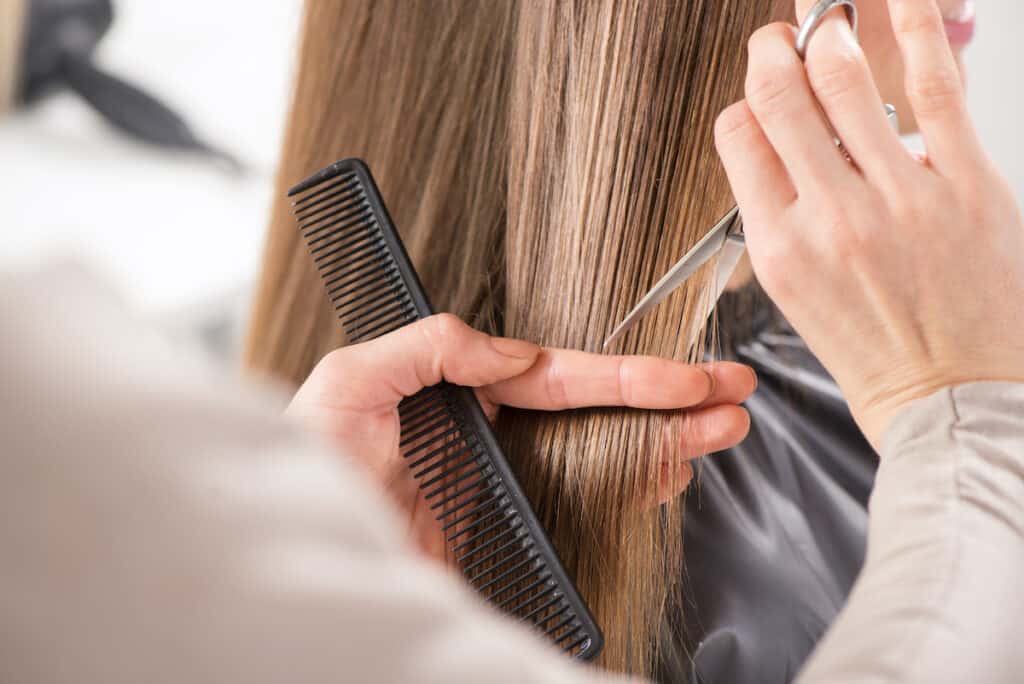
Some shapes grow out more gracefully than others, which can help you space appointments further apart if low maintenance is the goal.
Cost: Haircuts can be affordable at chain salons, or they can cost up to hundreds at high-end salons.
Even a basic trim may feel worthwhile if it improves shape, removes visibly damaged ends, or makes daily styling easier.
2. Deep Conditioning Masks
If your hair feels dry, rough, or difficult to detangle, you may benefit from a deep conditioning mask.
A deep conditioning treatment (like this one from Moroccanoil) can coat and condition the hair surface, improving softness, slip, and shine. It cannot permanently repair severely damaged hair, so trimming or changing damaging habits may still be necessary.
Cost: The price of a deep conditioning treatment will vary by salon and stylist.
How often you use a salon conditioning treatment depends on your hair condition, at-home routine, and whether the extra service provides a noticeable benefit over a home mask.
Who Is It For: Hair that feels dry, rough, chemically processed, or difficult to manage.
3. Low-Maintenance Color
Hair colour is optional, but a lower-maintenance colour plan can reduce the frequency of major salon appointments.
For example, a balayage or other “lived-in” color technique can grow out more softly than an all-over color applied directly from the roots. You may be able to stretch major lightening appointments, although toners, glosses, trims, and at-home maintenance may still be needed.
Cost: Colour-service pricing varies widely by hair length and density, starting colour, technique, product use, stylist, and location.
Who Is It For: People who want to change or add dimension to their colour while keeping regrowth softer and maintenance more flexible.
How To Decide If A Beauty Service Is Worth It
It can be difficult to decide whether a beauty service is worth repeating, especially when the first appointment is only part of the total cost.
Before booking, look for realistic before-and-after examples, provider credentials, current prices, aftercare, downtime, and how often maintenance is usually needed.
Some services are relatively inexpensive per visit, but recurring appointments can still add up. Compare the annual cost as well as the price of one session.
Does It Add Value or Convenience?
Ask what the service actually adds for you: convenience, enjoyment, longer wear, easier styling, or a result you cannot comfortably recreate at home.
Then compare that benefit with the time and cost of repeating it regularly.
The same beauty service can feel worthwhile to one person and unnecessary to another.
Start with the result you actually want rather than choosing a treatment because it is trending.
For example, are you paying for easier grooming, temporary relaxation, longer-lasting polish, hair reduction, or improvement in a specific skin concern?
Does It Fit Your Lifestyle?
A service that needs frequent appointments may become inconvenient even if you like the result.
Routine services need to fit your schedule, budget, and tolerance for maintenance if you plan to keep them up.
Factor in travel time, aftercare, downtime, rebooking frequency, and whether the result still looks acceptable as it grows out or fades.
If you spend a great deal of time outdoors, a procedure that requires strict sun avoidance or careful post-treatment protection may be inconvenient to schedule.
Consult With A Doctor Or Beauty Professional
For procedures that use lasers, deeper chemical peels, prescription products, needles, or other medical-grade devices, the provider’s training and local scope-of-practice rules matter. A board-certified dermatologist or other appropriately qualified medical professional is a sensible choice when a procedure has meaningful risk of burns, scarring, pigment changes, or complications.
If you have an active skin condition, take medications that affect healing or photosensitivity, have a history of unusual scarring, or are unsure whether a procedure is safe for you, seek individualized medical advice before treatment.
Takeaway
Deciding whether a beauty service is worth the cost is ultimately a personal value decision.
Some services are easier to budget for, maintain, or recreate at home than others, so priorities naturally differ.
Some skin and body services include facials, chemical peels, and massages.
For people who want less daily eye or brow styling, lash lifts, tinting, and brow services can add temporary definition using the natural hairs.
Permanent makeup may appeal to people who want long-lasting definition, but the permanence, healing process, colour changes, and removal difficulty make provider selection especially important.
Manicures and haircuts are widely available in a range of price points, which can make them easier to tailor to your budget.
Both can also be used for personal style and self-expression.
You can also opt for a low-maintenance cut to prolong salon visits.
For medical-grade skin procedures or concerns involving pain, infection, scarring, pigment disorders, or active skin disease, consult an appropriately qualified healthcare professional before treatment.
Some clinical treatments can address concerns in ways that over-the-counter products cannot, but more intensive treatment can also mean higher cost, more downtime, and greater risk. The best choice depends on the specific concern and your tolerance for those tradeoffs.
Choose the service that gives you a result you genuinely value at a cost, maintenance level, and risk profile you are comfortable repeating.
Related Articles
Types Of Facials And How To Choose – Complete Guide
Brow Lamination Vs Microblading
What Is Fibroblasting? – Everything You Need To Know