
How Often Should You Straighten Your Hair?
There’s no question about it—a good flat-iron is essential when it comes to hair tools.
They can give even the frizziest of locks some much-needed shine, and they’re one of the simplest heating tools to master.
But with a great heating tool comes great responsibility.
A straightener may seem like the perfect remedy to all of your bad hair days, but you might unknowingly be causing more damage than you think!
So, how often should you straighten your hair?
We recommend never straightening your hair more than once every 48 hours. However, it ultimately depends on the precautions you take to protect your hair and on the strength of your natural hair.
It may sound easy enough, but we have some tricks up our sleeves!
Read on as we demystify your questions about flat ironing frequency and give you a couple of hair hacks to keep your locks luscious.
The Type Of Iron Definitely Matters
Have you been using the same flat iron since middle school? We’re sorry to break the news to you, but ol’ faithful may not be so faithful anymore.
The hair styling community has made huge strides in their products and keeps each customer’s individual needs in mind when designing their flat irons.
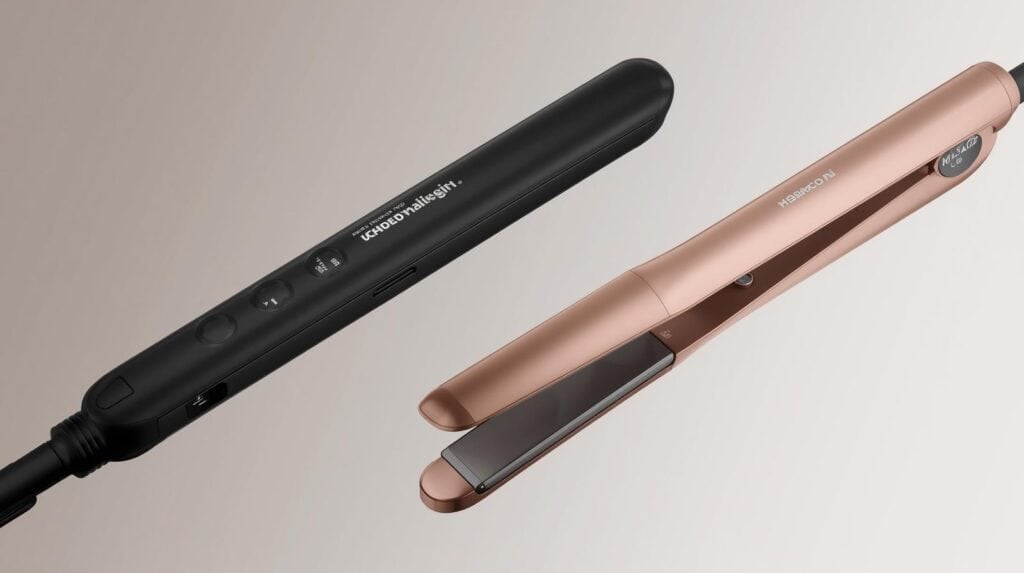
Using the right iron for your hair type will ensure your strands receive the heat that’s best for them, reducing potential damage in the long run.
So, take a minute or two to do a hair check. Is your hair on the healthier side, or is it more damaged? Has it undergone many chemical procedures? Is it thick or thin?
All of these questions are important when choosing the best flat iron for you, because when it comes to heating tools, they’re not one-size-fits-all!
If you have any of the following hair types, here are a few things to consider:
- Damaged Hair – If your hair is severely damaged, go for a straightener that doesn’t get too hot.
The last thing damaged locks need is to be deep-fried. Find a straightener that doesn’t go past 375°F to keep your hair on the safer side.
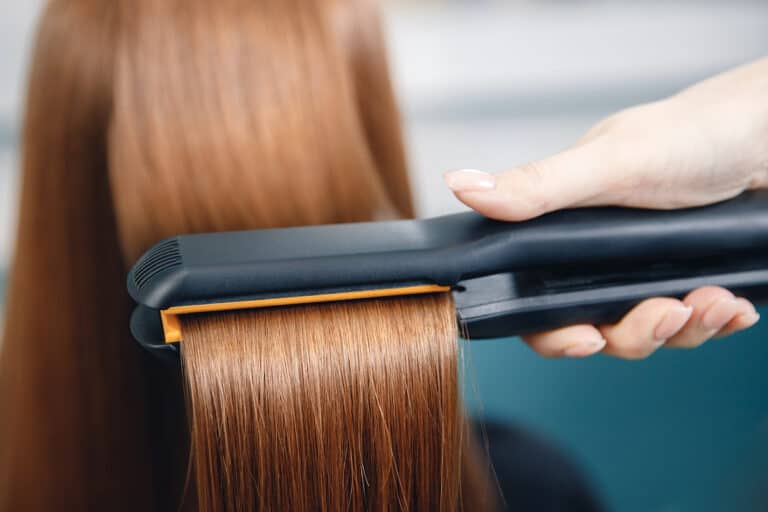
- Thick Hair – Grab a flat iron with wide plates to compensate for your tresses. It’ll keep your styling time down since the plates can cover a larger surface area of hair.
This is also a good pick if your strands are on the frizzier side!
- Short Hair – Go for a thinner, longer iron. This can ensure that all the hair closest to your roots stays frizz-free, and that you can reach all the stubborn hairs on the nape of your neck with ease.
If you have bangs, this is also a great straightener to style them back into place!
But when you’re picking out your flat-iron, there’s one feature you have to keep in mind, and that’s an adjustable temperature dial.
Having one will ensure you don’t subject your hair to rocket-high temperatures every time you straighten.
And it’ll let you choose the heat level that best protects your locks (hair should never be exposed to 450°F temps regularly!).
When Is the Best Time To Straighten My Hair?
You should never take high heat to locks that aren’t ready! If you reach for your straightener on a regular basis, the risk of hurting your hair is very real—so take some precaution!
Here’s a handy checklist you can use to see if your hair is ready for an iron; if it doesn’t tick all of these boxes, straightening should be a no-go:
- Dry Hair – Whether it’s damp from shower water, mousse, or heat protectant, taking a flat iron to wet hair is a surefire way to damage it.
Make sure your locks are 100% dry and have absorbed all product before styling with heat. - Clean Hair – In cooking, you usually expose grease and oil to high temperatures when you’re getting ready to fry something up – and these rules are no different when it comes to your tresses!
If it’s not wash day, go ahead and use dry shampoo to absorb any excess buildup. - Heat Protectant – You should never use heat without also using a thermal protectant.
This is key if you want your final style to be frizz-free, and it’ll also help prevent long-term damage (breakage, split ends) if you straighten your hair regularly. This is a must for all hair types, so don’t skip it!
If your hair has passed the test, go ahead and straighten away!
How Often Can You Straighten Your Hair Without Damaging It?
First things first, no two people have the exact same hair. Someone’s straightening schedule may work wonders for them, but it might not be the best for you.
Our best advice is to note when your hair looks great after straightening and when it doesn’t.
A good rule of thumb is to never straighten your hair more than once every 48 hours.
Of all the heating tools, straighteners can cause the most damage to your hair as you’re pressing your strands down underneath high temperatures for a more elongated period of time.
If you follow this routine and find your hair looking dry, frizzy, or overall lacklustre, that may be a sign to cut back on the heat for about 3 days between straightening sessions.
This’ll give your hair more time to recover in between sessions.
And never let your locks be exposed to heat more than once a day!
Whether you’re thinking of using a hair dryer, a curling iron, or your straightener again, the damage you’ll end up doing isn’t worth it!
If you’re good at upkeep with your freshly straightened locks, you may not need to pull out your flat-iron more than once a week.
This is an ideal regimen for those with fine, thin, or damaged hair.
Let’s go over this one more time! Never straighten hair 2 days in a row.
If straightening every other day is still drying out your locks, aim for every 3 days.
If your straight hair and your wash schedule align, you can maintain straight hair for 1 week before applying heat again.
It may take some trial and error to figure out which routine works best for you, but your hair will repay the effort by staying strong, moisturised, and healthy!
How To Maintain Straightened Hair
Freshly straightened hair is sleek, chic, and oh-so stylish, so there’s nothing worse than waking up with it in a disarray.
Luckily, there are some tips you can use to make sure your hairdo lasts more than just a day!
How to keep your hair straight:
- Use dry shampoo before bed, even if your hair feels clean. This will actually prevent your scalp from producing grease.
Greasy hair is more apparent on straight locks, so this will keep you from wanting to wash your locks.
- Opt for a silk pillowcase instead of a cotton one. This will reduce friction and pulling on your hair, and silk is also moisture-wicking and temperature-regulating.
So, not only will it keep your hair healthier, but it will also keep your hair dry while you rest, preserving your style for the morning.
- See if you can master wrapping your hair. This involves laying your straightened hair in a circular formation against your head.
Your locks will be held in place by bobby pins, keeping your hair in place for you to let down tomorrow. This technique is kept together by a silk scarf snugly tied around your head.
- As tempting as it may be to throw your hair up in a low bun or ponytail before bed, don’t!
All this will do is form a dent or crease in your locks, making it more tempting to pull out your straightener in the morning.
- If you’re one to fight frizz, go for a hair oil instead of a water-based product. This will keep your tresses sleek, without them reverting to their natural texture due to moisture loss.
Related Questions
What temperature is best to straighten my hair?
For thinner hair, don’t go past 380°F. If your hair is super curly or on the thicker side, don’t go past 400°F.
We know, some hair straighteners go up to 450°F or higher—but that setting shouldn’t be used for anything other than at-home keratin treatments.
Can I straighten hair without heat?
It may be trickier than the heatless curl, but heatless straight hair is totally possible.
The hair wrapping technique we mentioned earlier is a popular method for straightening hair overnight!
Start off with damp hair, and make sure you lay your hair taut and tight against your head. Wrap your silk scarf securely to ensure your hair doesn’t move around through the night.
Another trick to heatless straight hair is to use jumbo rollers to put your damp hair up before your night out.
You could use a blow dryer to set your locks and speed up the process, but the results will be the same if you air-dry!
This won’t give you pin-straight hair, but rather a chic, blow-out look.
Related Articles
Benefits Of Airbrush Makeup (And The Drawbacks)
How To Get Eyelash Glue Off Eyelids Without Makeup Remover