
How To Get Purple From Purple Shampoo Out Of Hair
Purple shampoo can be incredibly useful for keeping blonde, grey, silver, or highlighted hair looking balanced, but sometimes it leaves behind an unexpected purple, blue, or grey cast.
Purple shampoo works by depositing violet pigments that visually neutralise yellow and brassy tones. It does not lighten the hair, so the goal is to use just enough pigment to correct warmth without leaving a visible tint.
If the formula is very pigmented, left on for too long, used too often, or applied to very porous hair, some of that violet pigment can remain after rinsing.
How do you get purple from purple shampoo out of your hair?
The safest first step is usually to stop using purple shampoo and let the excess pigment fade with normal washing. If you want to speed things up, a clarifying shampoo can help. Stronger methods such as baking soda, acids, colour removers, or bleach can be drying or damaging, especially on recently lightened hair, so they should be approached cautiously.
Freshly bleached, highlighted, or very porous hair can grab onto pigment more strongly, which is why the purple may look darker on some sections than others. That same hair is also more vulnerable to dryness and breakage, so aggressive colour-removal methods can make the problem worse.
Below, we’ll start with the gentlest options, explain when stronger methods may be appropriate, and cover the mistakes that can cause purple shampoo to stain in the first place.
Why Has My Hair Turned Purple?
Some purple, violet, and blue shampoos are much more heavily pigmented than others.
The strength of the pigment varies by formula, not simply by whether a shampoo is sold in a salon or a drugstore. A very concentrated formula can leave a visible tint if it is used too often or left on longer than your hair needs.
The violet pigment in purple shampoo helps neutralise yellow tones. On porous or very light hair, those pigments can cling to the cuticle and remain visible after the shampoo is rinsed away.
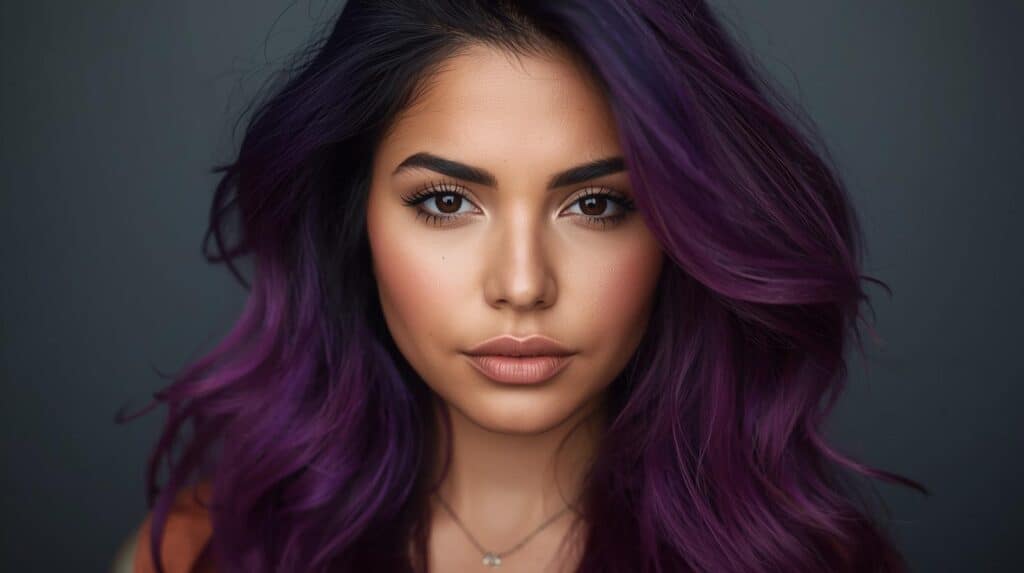
The leftover colour may look purple, lavender, blue-grey, or smoky, depending on the shampoo, your starting colour, and how porous your hair is.
This can happen with any strongly pigmented purple shampoo. Hair that is very pale, freshly bleached, dry, or unevenly porous is usually more likely to pick up excess pigment.
Will Purple From Purple Shampoo Fade?
The good news is that an unwanted purple cast from purple shampoo is usually temporary because the pigment sits on or near the surface of the hair rather than permanently changing your natural colour.
How quickly it fades depends on how much pigment was deposited, your hair’s porosity, and how often you wash. A light tint may soften after a few washes, while a stronger cast can take longer.
A more cleansing shampoo, including some anti-dandruff formulas, may help the colour fade faster. However, these shampoos can also be drying, so they are better used sparingly rather than repeatedly in the same day.
In many cases, the purple becomes less noticeable with each wash. If your hair feels fragile or stretchy, prioritise conditioning and give it time rather than trying to strip the colour immediately.
How To Avoid Purple Hair From Purple Shampoo
The best way to avoid a purple cast is to choose a formula that suits your starting colour and hair condition, then follow the product directions instead of assuming that more pigment or a longer processing time will work better.
Highly pigmented formulas can be helpful on strong yellow or brassy tones, while very pale or porous hair may need a gentler formula or a shorter contact time.
Price and where a shampoo is sold do not reliably predict how strongly it will deposit colour. Check the instructions, read the shade description, and consider a strand test if your hair is very light or freshly bleached.
Avoid using more purple shampoo than necessary or leaving it on much longer than the manufacturer recommends.
Extra processing time can make the pigment build up unevenly, especially through dry ends, highlights, and other porous areas.
Start with the shortest recommended processing time, rinse thoroughly, and assess the tone before using it again.
If your hair tends to grab colour quickly, alternate purple shampoo with a gentle regular shampoo rather than using the toning formula at every wash.
How To Remove Purple From Purple Shampoo
If the unwanted purple tone is mild, the lowest-risk option is to stop toning and let it fade. If you want to speed up the process, try a gentle clarifying wash before moving to anything stronger.
If you need the colour corrected quickly for an event, a professional colourist is the safest option, particularly if your hair has recently been bleached, highlighted, relaxed, or otherwise chemically treated.
For at-home care, work from gentlest to strongest and stop if your hair begins to feel unusually rough, gummy, stretchy, or prone to snapping.
Here are the most common approaches to removing excess purple pigment, along with the trade-offs to consider.
If you are unsure how your hair will react, consult your hairdresser first. They can assess the condition of your hair and help you avoid unnecessary damage while correcting the tone.
1. Use Clarifying Shampoo
Clarifying shampoo is usually the most practical first option because it is designed to remove product buildup and residue, which can help excess purple pigment fade.
It cleans more deeply than many everyday shampoos, so it can be useful when the colour is sitting close to the surface of the hair.
This clarifying shampoo on Amazon is one option to consider if you need a stronger cleanse than your regular shampoo.
One wash may be enough to soften a light purple cast. If the tint remains, give your hair time between clarifying washes instead of repeatedly shampooing it in one session.
Avoid trying to force the colour out with multiple washes in one day. Over-cleansing can leave bleached or highlighted hair feeling rough and dehydrated.
After clarifying, use a conditioner or hair mask that suits your hair type to restore softness and improve manageability.
This approach may take a few washes, but it is generally a more conservative starting point than DIY acids, alkaline ingredients, or bleach.
If your scalp feels irritated or your hair becomes noticeably dry, stop clarifying and return to a gentler routine until your hair feels comfortable again.
For many people, time, regular washing, and occasional clarifying are enough to fade an accidental purple cast without changing the underlying hair colour.
2. Use Dandruff Shampoo
Dandruff shampoo is formulated for scalp concerns, and some formulas also cleanse strongly enough to help fade temporary pigment. It is not specifically a colour remover, so results can vary.
If you already use a dandruff shampoo that suits your scalp, one normal wash may help. Avoid doing several back-to-back washes simply to chase the colour out.
Follow with conditioner, especially if your lengths are bleached, highlighted, dry, or prone to tangling.
This is better viewed as a gradual fading method than an instant fix. If the purple is intense or patchy, a colourist can correct it more predictably.
This dandruff shampoo on Amazon is one option, but choose a formula based on your scalp needs as well as its cleansing strength.
3. Use Baking Soda
Baking soda is sometimes suggested online for fading unwanted hair colour because it is alkaline, but that same alkalinity can leave hair feeling dry, rough, and more fragile.
For that reason, baking soda is not the best first choice for freshly bleached, highlighted, damaged, or highly porous hair.
If your goal is simply to remove excess purple shampoo pigment, try regular washing or a clarifying shampoo first. These methods are easier to control and are less likely to disrupt the feel of the hair.
If you still choose to experiment with baking soda, avoid vigorous scrubbing and stop if your scalp stings or your hair starts to feel unusually rough.
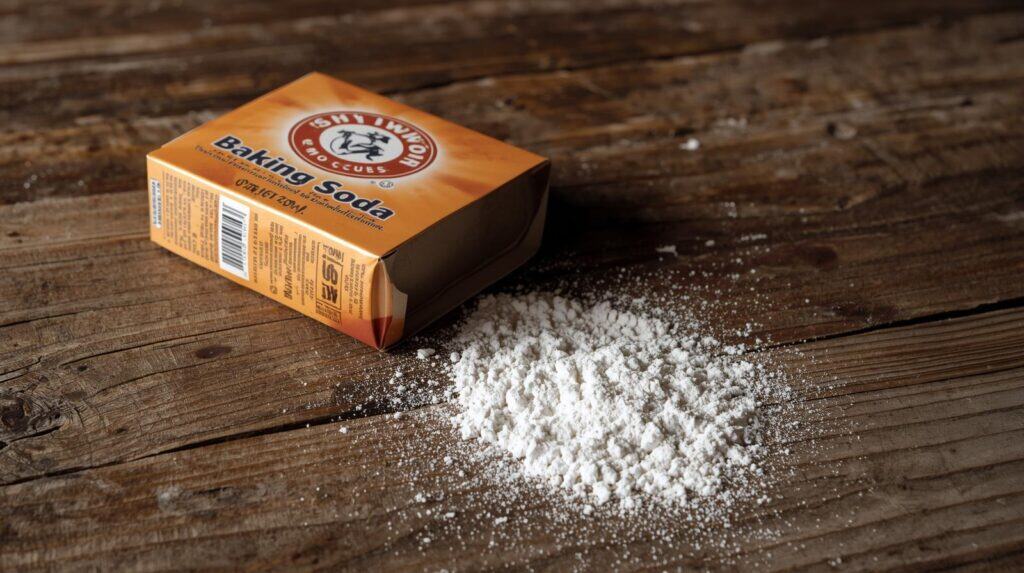
Do not combine baking soda with other harsh colour-removal methods in the same session. Stacking treatments can increase dryness and breakage.
After any stronger cleansing treatment, use a conditioning product and give your hair time to recover before trying another method.
4. Chelate Your Hair
Chelating shampoos are designed to remove mineral, metal, and hard-water buildup from the hair. They are different from ordinary clarifying shampoos, although some products perform both jobs.
Chelating may help if buildup is making blonde hair look dull or affecting how toner sits, but it is not guaranteed to remove purple pigment on its own.
Use a purpose-made chelating shampoo or treatment according to its label rather than substituting dish soap, which is not formulated for the hair or scalp.
If your hair is freshly bleached or already feels brittle, check with your stylist before using a strong chelating treatment.
Chelating products can leave some hair types feeling dry because they are designed to remove stubborn deposits.
That matters most on lightened or chemically treated hair, which may already be more porous and vulnerable to breakage.
Follow the product directions and condition afterward if your hair needs extra slip and softness.
5. Use Lemon Juice And Conditioner
Lemon juice is another common DIY suggestion, but its acidity can make already-lightened hair feel dry and can be difficult to control evenly.
Because purple shampoo pigment often fades with ordinary washing, it is usually better to try clarifying shampoo and conditioning before experimenting with lemon juice.
This is especially important if your hair is freshly bleached, highlighted, very dry, or prone to breakage.
Avoid leaving acidic DIY mixtures on the hair for hours. Longer contact does not guarantee a better result and may increase dryness or scalp irritation.
Conditioner can improve slip and softness, but it does not completely prevent the drying effects of an acidic treatment.
If you have already used lemon juice, rinse thoroughly and follow with a gentle conditioner or mask.
Skip added heat or prolonged sun exposure while trying to fade the purple. Heat can increase dehydration and makes an already unpredictable DIY method harder to control.
If the colour is not shifting with gentle washing, a stylist can usually correct the tone more safely than repeated home treatments.
6. Use Colour Remover
Hair colour removers come in different types. Some are made for oxidative permanent colour, while others are designed for direct or semi-permanent pigments.
Because formulas work differently, a remover that is wrong for the type of pigment in your hair may do very little or may leave the hair feeling dry.
Before using a colour remover, check that the product is intended for the kind of colour you are trying to remove and read the instructions carefully.
Do a strand test first when possible, especially on bleached hair, because the result can vary depending on porosity and previous chemical services.
A suitable remover may help reduce the purple cast, but it can also expose warmer underlying tones or shift previously coloured hair.
Do not assume every colour remover is bleach-free or damage-free. Check the ingredient list and the manufacturer’s directions for the specific formula you are using.
If your hair is already compromised, or if you are unsure which remover matches your situation, professional colour correction is the safer route.
7. Bleach Wash
A bleach wash is a much more aggressive colour-correction technique than clarifying or chelating, and it can lighten the underlying hair as well as remove unwanted pigment.
It is not a good first-line fix for purple shampoo staining, especially on hair that was recently bleached or highlighted.
If gentle washing has not worked, contact a professional colourist before reaching for bleach. They can determine whether the purple is surface staining, toner buildup, or part of a more complex colour issue.
Even low-strength lightener can cause dryness, breakage, uneven lift, or scalp irritation when it is mixed or applied incorrectly.
A professional can also assess whether your hair is strong enough for another chemical process.
This matters because hair that feels stretchy, gummy when wet, brittle, or unusually rough may already be too compromised for additional lightening.
If your hair is in that condition, focus on gentle cleansing and conditioning rather than trying to remove the purple immediately.
Do not layer bleach over recent DIY treatments such as baking soda, lemon juice, or repeated clarifying washes in the same session.
Combining several aggressive methods can make breakage more likely and can create an uneven colour result.
If a bleach-based correction is genuinely needed, follow the specific product instructions and your colourist’s guidance rather than relying on a generic mixture or timing formula.
Stop immediately and rinse if you experience burning, severe scalp discomfort, or unexpected hair weakening.
After any professional lightening or corrective service, use the aftercare recommended for your hair condition and minimise additional heat or chemical stress.
Common Mistakes Using Purple Shampoo
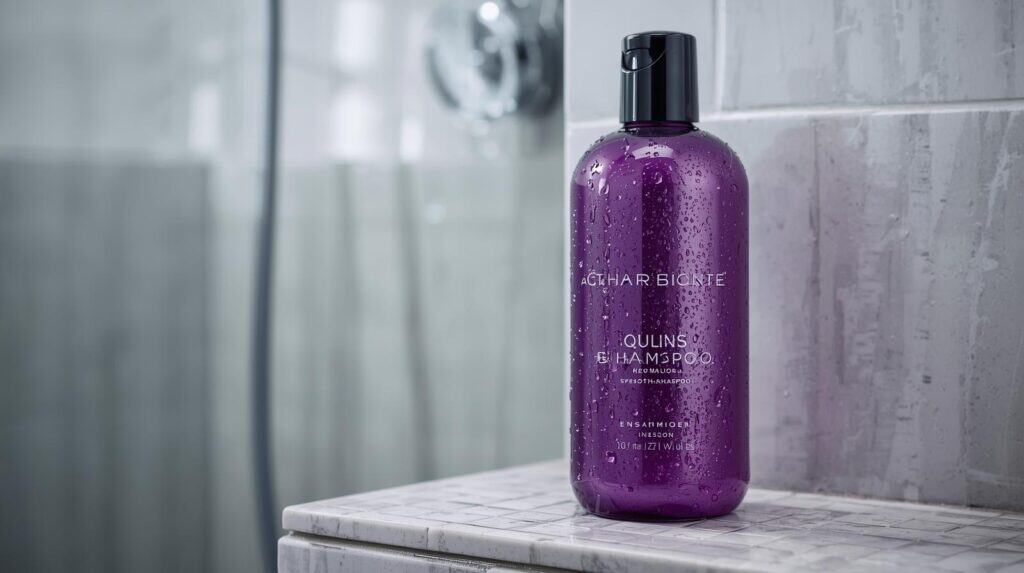
Purple shampoo can be very effective when it matches your hair colour and is used as directed, but a few common mistakes can lead to uneven toning, dryness, or excess violet pigment.
1. Overusing Purple Shampoo
Purple shampoo does not need to be used at every wash. How often you need it depends on how quickly brassiness returns, how pigmented the formula is, and how porous your hair is.
Start with the frequency recommended on the label or by your stylist, then reduce use if your hair begins to look ashy, dull, grey, or visibly purple.
Using too much toning pigment can make very light hair look darker, smokier, or less dimensional, even though the hair itself has not actually become darker.
2. Improper Application
Purple shampoo works best when it is distributed evenly and given only the contact time your particular formula recommends.
Applying a large amount to dry, porous sections or leaving it sitting unevenly can create patchy violet areas.
Most formulas are used on wet hair like a regular shampoo, but directions vary. Follow the label for application method and processing time rather than relying on a universal 3-to-7-minute rule.
If your ends are much more porous than your roots, consider applying the shampoo to those areas for less time or ask your stylist how to tone more evenly.
3. Using Purple Shampoo When You Shouldn’t
Purple shampoo can feel drying on some hair types, particularly when the formula is highly cleansing or the hair is already lightened and porous.
If your hair starts feeling rough, tangled, or brittle, use the toning shampoo less often and focus on conditioning between uses.
A purple conditioner or mask may be a gentler toning option for some people because it combines pigment with more conditioning ingredients.
The best routine is the one that keeps the tone balanced without sacrificing softness, manageability, or hair strength.
Related Questions
Does Purple Shampoo Damage Your Hair?
Purple shampoo does not automatically damage hair, but some formulas can feel drying when used too often or left on longer than directed, particularly on bleached or porous hair.
Leaving a highly pigmented formula on for too long can also cause temporary violet, grey, or blue-toned staining.
What Happens If You Use Purple Shampoo Too Often?
Using purple shampoo too often can lead to excess violet pigment, making pale hair look ashy, grey, lavender, or dull.
If that happens, stop using the toning shampoo for a while and return to a gentle regular shampoo until the excess pigment fades.
What Colour Cancels Out Yellow?
On a traditional colour wheel, purple sits opposite yellow, which is why purple shampoo is used to visually neutralise yellow tones in light hair.
Yellow sits opposite purple, but that does not mean you should add a yellow dye or toner to fix accidental purple shampoo staining. In most cases, fading the excess violet pigment is simpler and more predictable.
Related Articles
Can You Use Olive Oil Before Bleaching Hair?
Best Numbing Creams For Waxing
Why You Should Use Glycolic Acid On Your Legs