
Coconut Milk Soap Benefits
The coconut is a highly versatile fruit, and its oil, water, flesh, and milk are used in everything from cooking to personal care.
Coconut products contain a mix of fats, minerals, and other nutrients, but the benefits you get from eating coconut are not the same as the effects you can expect from a rinse-off soap.
Coconut oil is one of the many products made from coconuts, and it is commonly used in cooking, cleansing balms, body products, and soapmaking.
However, many can still overlook the benefits of coconut milk.
Coconut milk comes from the flesh of the coconut and is incorporated into international cuisines or even beauty routines.
Its creamy fat content and mild feel are some of the reasons soapmakers use coconut milk in handcrafted bars.
What are some coconut milk soap benefits?
Coconut milk soap can feel creamy and conditioning, especially when the overall formula includes skin-friendly oils and butters. It may help skin feel softer and less stripped after cleansing, but the exact benefits depend on the complete soap formula rather than coconut milk alone.
One advantage of coconut milk soap is that it’s easily accessible in your local markets, or you can attempt to make your own DIY soap at home.
So, what else should you know about coconut milk soap before adding it to your beauty regimen? Read on!
What Is Coconut Milk?
Coconut-based products are abundant.
You can choose from a wide range of products like coconut oil, coconut water, and coconut milk.
However, what is coconut milk, and how can you extract it from the coconut?

Healthline claims, “Coconut milk is made by grating flesh from a brown coconut, soaking it in water and then straining it to produce a milk-like consistency.”
There are two popular types of coconut milk: thin and thick.
Coconut milk can then be added to any dish you’re cooking up in the kitchen or into a bar of soap for your beauty regimen.
Vitamins Found In Coconut Milk
Why is coconut milk a commonly used ingredient to formulate beauty products like soap?
Coconut milk contains fats, carbohydrates, minerals, and small amounts of vitamins, although a rinse-off soap will not deliver those nutrients to skin in the same way as a leave-on skincare product.
Coconut milk contains nutrients such as copper and selenium, plus fats that contribute to its creamy texture.
Its exact nutrient profile varies by product and preparation, so it is better to judge a finished soap by its full ingredient list and how your skin responds to it.
Benefits Of Coconut Milk Soap
What are some benefits of coconut milk soap?
A well-formulated coconut milk soap bar can be a pleasant option if you like a creamy lather and a cleanser that does not leave your skin feeling overly stripped.
Suitability depends on the complete formula. Fragrance, essential oils, cleansing strength, and added exfoliants may matter more than the coconut milk itself, especially for sensitive or dry skin.
Potential advantages include a creamier cleansing feel, less post-wash tightness, and easier removal of light dirt and residue, depending on the oils and other ingredients used in the bar.
The benefits can also vary by what coconut milk soap bar you use, such as whether there are added components or if it is made from scratch.
What can coconut milk soap do for your skin?
1. Hydration & Moisture
Firstly, coconut milk soap may feel more conditioning than a very stripping cleanser, which can be helpful if your skin tends to feel dry after washing.
Coconut milk is rich in fats, and soap formulas made with nourishing oils or butters may leave the skin feeling softer after rinsing.
Most coconut milk soap bars are creamy and nourishing to combat dryness.
Any soothing effect will depend on the finished formula as a whole, including how cleansing the soap is and whether it contains fragrance or other potential irritants.
Other soothing components of coconut milk may also help shield the skin barrier, keeping the skin hydrated.
2. Can Support A Softer, Smoother Appearance
Another reason people enjoy coconut milk soaps is the soft, conditioned feel they can leave behind after cleansing.
A rinse-off soap should not be expected to treat fine lines, wrinkles, or age spots. However, skin that feels less dry can temporarily look smoother and more comfortable.
Vitamin C and copper are used in some leave-on antioxidant or peptide serums, but that does not mean coconut milk soap delivers the same skin benefits.
For visible changes in elasticity, pigmentation, or wrinkles, a leave-on skincare routine with evidence-based ingredients is more appropriate than relying on soap alone.
3. Soothe Skin Conditions
If you have eczema, psoriasis, dermatitis, or another chronic skin condition, cleanser choice can make a noticeable difference in comfort.
Consult your dermatologist to see if coconut milk soap can soothe your skin conditions.
A mild, fragrance-free coconut milk soap may feel comfortable for some people, but coconut milk itself is not a treatment for inflammatory skin disease.
Claims that coconut milk soap is broadly antibacterial or anti-inflammatory should be treated cautiously because the finished soap, concentration, and rinse-off contact time all matter.
In addition, its soothing properties can increase hydration and potentially soothe irritated or weakened skin barriers.
Always check with a dermatologist or medical provider if you are trying to manage a persistent skin condition. A soap can support cleansing, but it should not replace treatment.
4. Conditioner & Detangler
Coconut milk soap can do much more than cleanse the skin and body.
Some coconut milk soaps are also marketed for hair, but a traditional soap bar can have a higher pH than many shampoos and may not suit every scalp or hair type.
If the bar is specifically formulated for hair, it may provide some slip during cleansing, but it should not automatically be treated as a replacement for conditioner or detangler.
More conscious consumers are turning towards cleaner and simplified beauty, including haircare.
Coconut milk soap can be made at home with a relatively short ingredient list, although the finished bar still needs to be formulated and cured correctly.
For tangles and knots, a dedicated conditioner or detangling product will usually provide more predictable slip than a cleansing bar.
5. May Feel Gentle On Dry, Uncomfortable Skin
When skin is sunburned, the priority is cooling, protecting, and avoiding anything that causes more stinging or dryness.
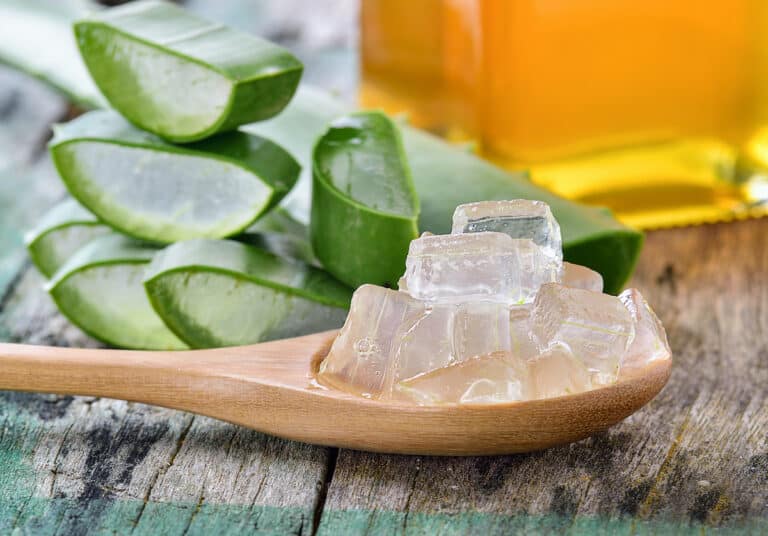
For most people, aloe vera is the number one sunburn soother.
Do not use coconut milk soap as a sunburn treatment. Freshly burned skin may be more sensitive to cleansing, fragrance, and rubbing.
If you need to cleanse mildly irritated skin, choose the gentlest formula available and stop if it stings or increases redness.
Sunburned, blistered, or raw skin should be treated gently and kept away from unnecessary exfoliation or strongly fragranced products.
6. Exfoliates The Body
Exfoliation can help smooth rough surface texture, but it does not need to be frequent for everyone.
However, harsh scrubbing can irritate the skin, so keep physical exfoliation gentle and avoid it when the skin is already sensitive.
A plain coconut milk soap is primarily a cleanser. It becomes physically exfoliating only when the formula contains textured ingredients or you use it with a washcloth or other exfoliating tool.
You can mix coconut milk soap with oat powder (oats have their own soothing properties and are also formulated in skincare) to create a scrub and customize the level of exfoliation you desire.
Then you can have soft, exfoliated, and moisturized skin.
7. Removes Makeup
Another unique way to use coconut milk soap is by removing makeup.
Have you ever tried removing makeup with coconut oil?
It can often be heavy and greasy, but coconut milk soap may be the next best option because it is formulated for the skin.

The cleansing ingredients in the finished soap can help remove dirt, light makeup, sunscreen, and daily residue, while the coconut milk may contribute to a creamier feel.
For heavier or water-resistant makeup, an oil cleanser or cleansing balm may be a more reliable first step before following with a soap or facial cleanser.
8. Potentially Anti-Inflammatory
Coconut milk contains fats, including some medium-chain fatty acids, but that does not prove a finished soap will provide a meaningful anti-inflammatory effect on skin.
Likewise, it is safer not to assume that coconut milk makes a soap antibacterial or antiseptic unless the finished product is specifically formulated and tested for that purpose.
If you are dealing with scalp irritation, itching, dandruff, or inflamed skin, the cause matters. A cleansing bar may feel comfortable for some people but can worsen symptoms for others.
However, it may not provide a drastic change overnight, so it’s crucial to stay consistent or contact a dermatologist.
9. Gentle Cleanser
We’ve mentioned how coconut milk soap can help break down dirt, makeup, and sunscreen, but it can also provide a gentle cleanse to bare skin.
In addition, coconut milk soap can be used to wash from head to toe while eliminating daily grime.
A well-balanced formula may cleanse without leaving the skin feeling as tight or over-stripped as a harsher soap, although this varies from bar to bar.
If a coconut milk soap is specifically formulated for hair, you may be able to use it on the scalp. For persistent dryness, itching, flakes, or irritation, use a scalp-appropriate cleanser and consider professional advice rather than relying on body soap.
10. Versatility
Finally, a massive advantage of coconut milk soap is its versatility.
Its main appeal is versatility: depending on the formula, it can work as a creamy body cleanser and may suit people who prefer simpler soap bars.
Also, coconut milk soap can be customized and altered to your skin’s needs.
It can be formulated with ingredients such as oat powder for added texture, but extra exfoliants and fragrance should be chosen cautiously if your skin is sensitive.
Ultimately, the most realistic benefit is a pleasant cleansing experience that may leave skin feeling softer, depending on the full formulation and your skin type.
Side Effects Of Coconut Milk Soap
You may be wondering if there are any side effects to using coconut milk-based soaps.
Many people tolerate coconut-based products well, but tolerance depends on the finished formula and your individual skin.
However, they may cause a reaction if you’re allergic or sensitive to coconut.
One way to reduce the chance of a surprise reaction is to patch test the finished coconut milk soap on a small area before using it more broadly, especially if it contains fragrance or essential oils.
Make Your Own Coconut Milk Soap
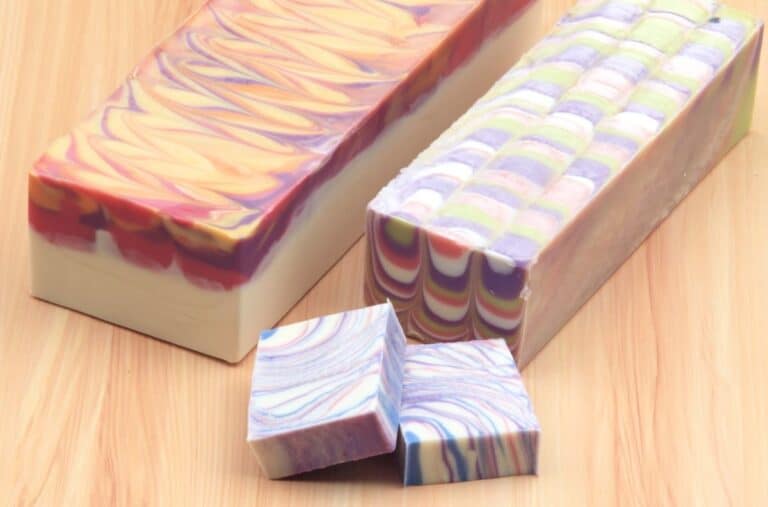
You can learn how to make coconut milk soap at home, but cold-process soapmaking requires accurate measurements and careful handling of lye.
However, some brands may incorporate added ingredients into their bars, which may affect what benefits you’ll gain from using this coconut milk-based soap.
For example, essential oils may be present, providing their own benefits or increasing irritation depending on their potency.
Or it may include carrier oils.
Creating your own soap lets you control the ingredient list, but a safe recipe still needs the correct lye concentration, oil balance, and curing time.
Here’s a great cold process coconut milk soap tutorial from Holly’s Soapmaking – Kapia Mera on YouTube.
The Takeaway
Coconut milk soap can be a pleasant addition to a body-care routine if you enjoy creamy bar cleansers.
Its most realistic benefits are cleansing and a potentially softer, less stripped feel, depending on how the bar is formulated.
Some formulas are marketed for both hair and body, although a bar designed for skin will not automatically be ideal for the scalp or hair shaft.
Coconut milk contains fats and nutrients, but a rinse-off soap should be judged by its full formula rather than by the nutritional reputation of coconut as a food.
If you have eczema, acne, dermatitis, or another ongoing skin concern, choose a gentle cleanser that suits your condition and avoid treating coconut milk soap as a medical treatment.
Will you be trying coconut milk soap?
Coconut Milk Soap FAQs
Is coconut milk soap good for dry skin?
It can be a good option if the finished bar is formulated with gentle cleansing agents and conditioning oils or butters. Coconut milk alone does not guarantee that a soap will be non-drying, so pay attention to how your skin feels after rinsing.
Can coconut milk soap be used on the face?
Some people tolerate facial cleansing bars well, while others find traditional soap too drying or high in pH. If the product is marketed for facial use, try it cautiously and stop if you notice tightness, stinging, or irritation.
Is coconut milk soap antibacterial?
Do not assume so unless the finished product is specifically formulated and tested for antibacterial use. Coconut milk in the ingredient list does not automatically make the soap antiseptic.
Can coconut milk soap help eczema?
It may feel comfortable if the bar is mild and fragrance-free, but it does not treat eczema. People with eczema often do best with gentle, low-irritant cleansers recommended for their condition.
Can coconut milk soap remove makeup?
It may remove light makeup and everyday residue, but long-wear or water-resistant makeup usually comes off more reliably with an oil cleanser or cleansing balm first.
Related Articles