
Zig Zag Hair Band Benefits
Hair accessories have a habit of cycling back into style, and the zig-zag hair band is a good example of a throwback that can feel fresh with a more modern hairstyle.
Compared with blinged-out clips, bejewelled headbands, and rhinestone accessories, the slim, comb-like zig-zag hair band offers a simpler way to pull hair away from the face while adding visible detail at the hairline.
The zig-zag hair band is not a new invention. It was a familiar hair accessory during the 1990s and early 2000s, which is why it fits so naturally with Y2K-inspired styling.
Its return also works with the sleek, minimalist hairstyles often seen alongside Y2K-inspired beauty and fashion. Instead of hiding in the hair, the band creates a visible pattern at the hairline.
In the 1990s and early 2000s, the zig-zag hair band was often paired with other era-defining details such as butterfly clips and ultra-thin brows.
Today, it can be styled more simply, adding texture and definition at the hairline while the rest of the hairstyle stays sleek and minimal.
So, what does a zig-zag hair band actually do, and how should you wear one?
A zig-zag hair band pushes the front sections of hair away from the face while creating a distinctive zig-zag pattern at the hairline. The zig-zag design can also help guide shorter pieces and flyaways back without the bulk of a wide headband.
Below, we’ll cover what a zig-zag hair band is, how it differs from a regular headband, who it works well for, and how to style it without creating unnecessary pulling or product build-up.
What Is A Zig-Zag Hair Band?
Zig-zag hair bands are slim headbands with spaced teeth or prongs that separate and hold sections of hair in a zig-zag pattern.
As you slide the band back from the hairline, those teeth create a zig-zag design instead of the straight edge you usually get from a classic headband.
Because the frame is usually thin and lightweight, it can keep front pieces away from the face without adding the visual bulk of a padded or wide headband.
The zig-zag hair band is closely associated with 1990s and early-2000s hairstyles, so it works especially well if you like nostalgic accessories but still want an easy, practical style.
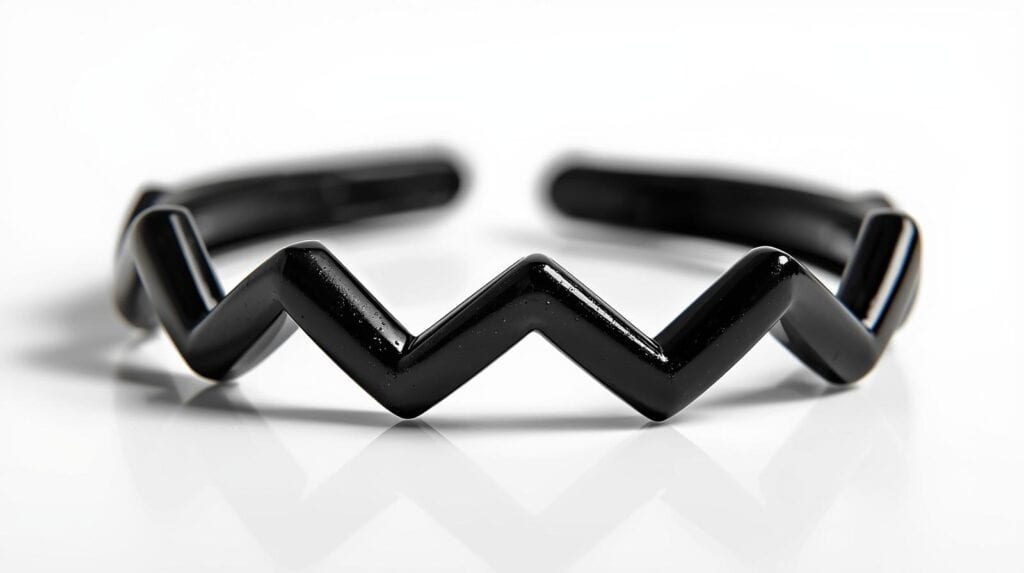
A zig-zag hair band can be used on straight, wavy, curly, or coily hair, but the finished effect will look different depending on texture and density. The zig-zag pattern tends to appear most clearly on smoothed or slicked-back roots.
There are several styles of zig-zag hair band, including rigid comb-style versions that sit over the crown and flexible or elastic versions that can wrap around the entire head. The best choice depends on the hairstyle and how much hold you want.
Regular Vs. Zig-Zag Hair Band
The main difference between a zig-zag hair band and a regular headband is the way each one contacts and separates the hair.
A standard headband usually creates one smooth line across the front or top of the hair. A rigid zig-zag band creates separated sections at the hairline, while some flexible versions can wrap around the entire head.
The elastic, wrap-around style uses repeating zig-zag teeth to separate and guide small sections around the head, which can add extra control when the rest of the hair is tied up.
This can be useful with a ponytail or bun because the band helps guide shorter front pieces back toward the hairstyle. Very short baby hairs may still need a small amount of styling product.
Zig-zag hair bands are also often thinner and less bulky than padded or fabric-covered headbands, so more of the hairstyle remains visible.
That makes them a different choice from larger, embellished, or padded headbands, which act more like a statement accessory than a styling tool.
The zig-zag version is useful when you want the accessory itself to shape the hairline. A regular headband gives a smoother finish, while a zig-zag band creates more visible separation and texture.
Benefits Of A Zig-Zag Hair Band
One of the biggest benefits of a zig-zag hair band is how quickly it can move front sections and longer flyaways away from the face while creating a deliberate pattern at the hairline.
That makes it a natural match for sleek, minimalist hairstyles where the hair is brushed back and the face is left unobstructed.
It can also be practical on days when you want your hair off your face without committing to a tight ponytail or bun.
The accessory works with a wide range of looks, from an everyday style to a more polished finish. Because the band creates the sectioned pattern for you, it can make a basic hairstyle look more intentional.
The zig-zag pattern is also a low-effort way to add visual interest. You do not need braiding skills or complicated sectioning to create a defined hairline design.
That makes it approachable for a beginner experimenting with accessories, while still being useful for anyone who enjoys changing up sleek ponytails, buns, and down styles.
A zig-zag hair band can be a useful addition to your hair accessory collection if you regularly wear your hair brushed back and want a quick alternative to a plain headband.
Its versatility is another advantage. You can use one with different hair textures and with both updos and down styles, although thicker or curlier hair may need a wider, more flexible band for a comfortable fit.
Zig-zag bands are also a relatively low-commitment accessory to experiment with because you can try the look without changing your haircut, colour, or usual styling routine.
They come in different forms, sizes, and colours, and many are sold in multi-packs. When choosing one, pay attention to the spacing of the teeth and the overall flexibility, not just the colour.
If you are looking for a standard, comb-like zig-zag hair band, an option like this gives you the classic rigid shape. It is best to position it so the teeth feel secure without pressing sharply into the scalp.
If you prefer the elastic, wrap-around version of the zig-zag hair band, this multipack offers three neutral colour options, with 12 hair bands in total. A flexible style can be useful when you want more coverage around the head.
With any plastic or elastic style, comfort depends on fit, flexibility, and how tightly it grips. If a band pinches, causes a headache, or pulls noticeably at the hairline, loosen it or switch to a different size or shape.
Best Ways To Use A Zig-Zag Hair Band
There are several ways to style a zig-zag hair band, but the easiest method is to decide first whether you want a soft, natural finish or a more defined, slicked-back look.
For the most visible zig-zag pattern, pair the band with smoothed or slicked-back roots. Straighter roots can make the pattern especially obvious, but you do not need to heat-straighten textured hair to wear the accessory.
If you are blow-drying, direct the hair back and away from the face using comfortable heat and appropriate heat protection. If your hair already sits smoothly, you can simply brush or comb the front sections back instead.
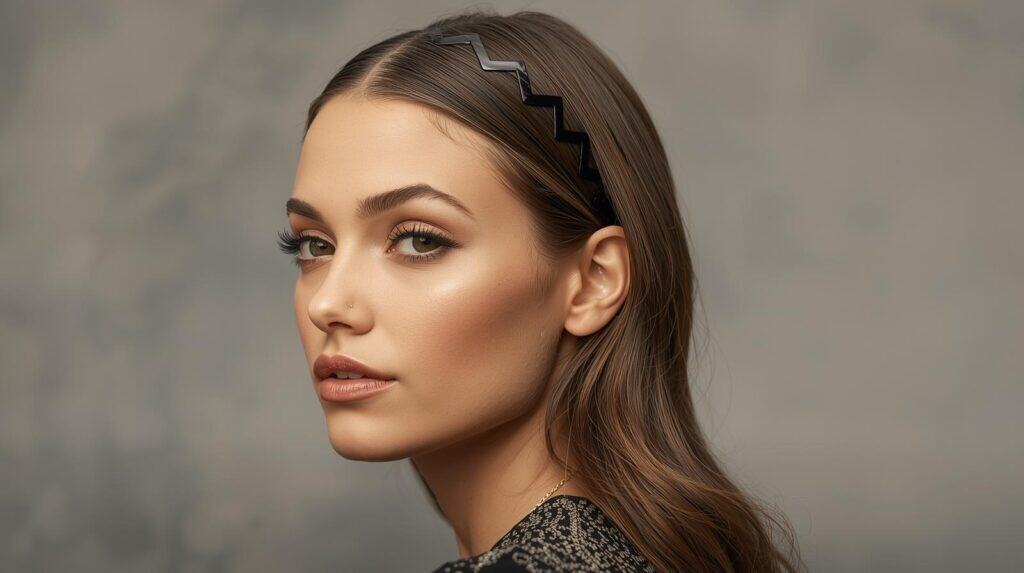
To reduce sliding, work a small amount of styling mousse at the roots if your hair needs extra grip. Start lightly, especially on fine hair, because too much product can leave the roots stiff, sticky, or weighed down.
The zig-zag teeth help separate and guide the hair, but how securely the band stays in place depends on the band’s fit, your hair texture, and how much natural slip your hair has.
If the band tends to slide back, try placing it slightly closer to the hairline, adding a little texture at the roots, or choosing a band with a different tooth spacing.
A light layer of styling mousse can add texture so the zig-zag teeth have a little more grip. Let the product distribute through the roots rather than concentrating a heavy amount in one spot.
Adding controlled texture at the root can also help the separated sections stay visible, which makes the zig-zag pattern look cleaner and more intentional.
Once the roots are prepared, place the band at the front of the hairline and slide it back slowly. This gives the teeth time to separate small sections evenly instead of snagging or bunching the hair.
Once the hair band is in place and the pattern looks even, you can use a light mist of hairspray if you want extra hold. Focus on the hair rather than saturating the plastic band.
A small amount of hairspray at the roots can help keep the zig-zag lines defined. You may need very little product if your hair already has enough texture to hold the band securely.
This styling method works with a ponytail, bun, half-up style, or hair worn down. When removing the band, slide it out gently instead of pulling it straight up through the hair, especially if the teeth are closely spaced.
Conclusion
Zig-zag hair bands combine a nostalgic look with a practical purpose: they move hair away from the face while creating a visible pattern at the hairline.
The accessory works especially well with Y2K-inspired and minimalist hairstyles, but it does not have to be styled as a trend piece. It can also serve as a practical alternative to a regular headband when you want more definition at the hairline.
Compared with bejewelled, padded, or brightly coloured headbands, the zig-zag style puts more attention on the shape it creates in the hair than on the accessory itself.
Its sleek, thin design is easy to pair with casual styles, polished updos, or more editorial-looking slicked-back hair.
One of its biggest advantages is how quickly it changes the look of a simple hairstyle. The teeth create much of the sectioning effect as you slide the band into place.
Whether you wear your hair down and sleek or pair the band with a ponytail, bun, or half-up style, the zig-zag design can add detail without complicated styling.
Use only as much mousse or hairspray as your hair actually needs for grip, and make sure the band feels secure rather than tight. The goal is a defined zig-zag effect that still feels comfortable to wear.
Related Articles
Are Scrunchies Better For Your Hair?
Best Accessories For Thin Hair