
Gel Polish Remover Machines – Do They Work?
Gel nail polish is popular because it can stay glossy and chip-resistant for much longer than regular polish, but removal needs a little more care.
Gel nail polish can also be done at home if you use a compatible UV/LED lamp, gel color, base coat, and top coat according to the manufacturer’s directions.
One of the less convenient parts of gel polish is the removal process.
Whether you remove gel at home or in a salon, rushing the process can damage the natural nail if you peel, pry, scrape aggressively, or file too deeply.
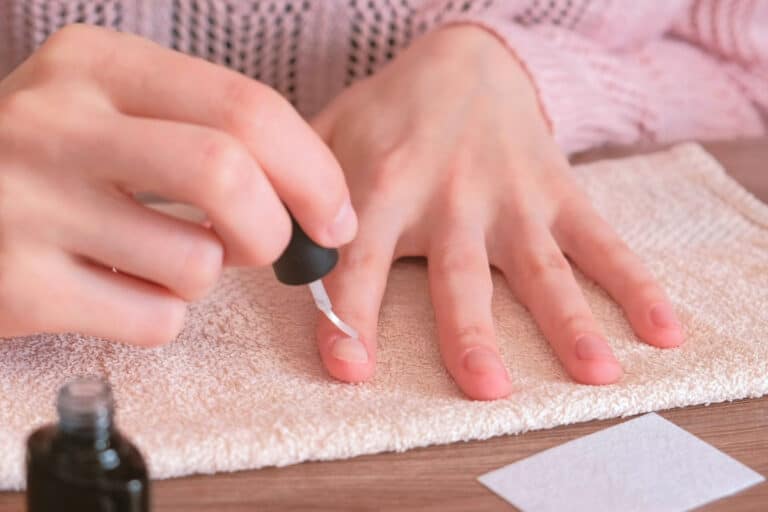
For soak-off gel, removal usually begins by lightly filing the shiny topcoat so remover can penetrate the coating.
Then, acetone-soaked cotton is placed on the nails, secured with foil, clips, or plastic wrap, and left on for the time recommended by the product.
Once the gel has softened, it should be gently lifted away. If it resists, re-soak rather than scraping harder.
Most avoidable damage comes from over-filing, peeling, or forceful scraping, not from properly performed soak-off removal itself.
Some people look for shortcuts, including gel polish remover machines.
These devices are marketed as a way to soften gel polish with heated acetone vapor, but that convenience comes with important safety concerns.
Do gel polish remover machines really work?
Gel polish remover machines may soften soak-off gel, but heating acetone introduces flammability and vapor risks. Traditional acetone wraps are the better-established home removal method because they avoid deliberately heating a highly flammable solvent.
Below, we explain how these machines work, why heated acetone deserves caution, and how they compare with standard gel-removal methods.
What Are Gel Polish Remover Machines?
Gel polish remover machines are small countertop devices sold for at-home use, although designs and safety features vary widely.
Many have a heated reservoir underneath and openings where the fingertips rest above the solvent chamber.
Prices vary by brand and seller, and the machine itself may be reusable, but you still need compatible remover and regular cleaning.
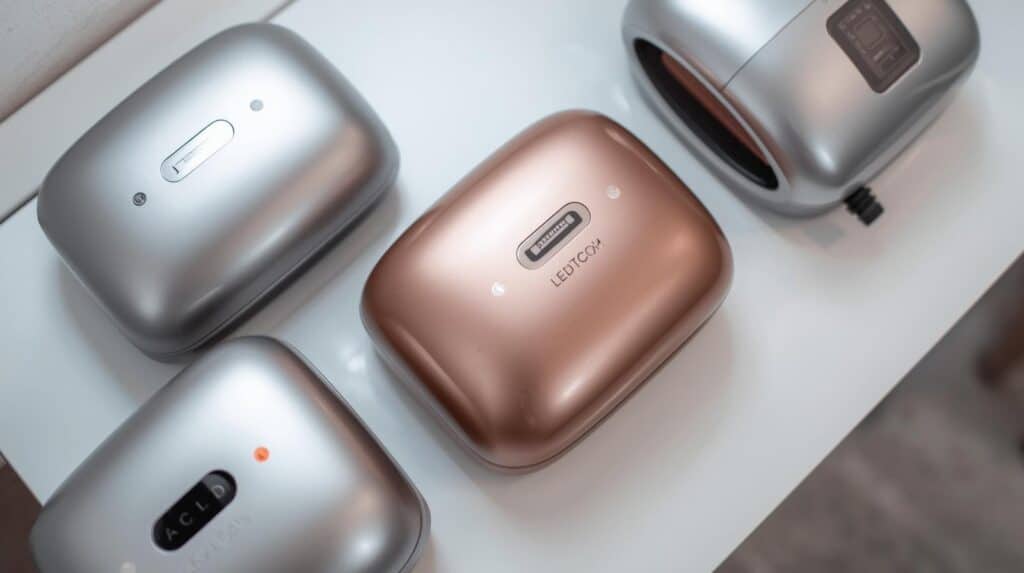
Here’s a popular option sold for home use, but check the current manufacturer instructions, electrical safety information, and solvent compatibility before using any heated remover device.
The appeal is obvious: these machines promise faster, less messy gel removal. The main question is whether that convenience outweighs the added risks of heating acetone.
How Gel Polish Remover Machines Work
Soak-off gel polish is commonly softened with acetone because cured gel is designed to resist ordinary soap and water.
Gel remover machines typically use acetone or another manufacturer-approved solvent in place of cotton-and-foil wraps.
The device warms the remover so vapors contact the nails. Because acetone is highly flammable, deliberately heating it should only be done in equipment specifically designed and rated for that use.
If you use one, follow the exact manufacturer instructions rather than improvising:
- Lightly file away the glossy topcoat without filing into the natural nail.
- Add only the amount and type of remover specified by the manufacturer. Never exceed the fill line or substitute a solvent the device was not designed to use.
- Place the machine on a stable, heat-resistant surface away from flames, cigarettes, sparks, space heaters, and other ignition sources.
- Turn it on only as directed, and keep the room well ventilated.
- Use the device for the manufacturer’s recommended cycle. Stop immediately if the machine overheats, leaks, smells strongly of burning plastic, or behaves abnormally.
- After the cycle, check whether the gel has softened. Remove only what releases with very light pressure.
- If the gel is still firmly attached, follow the manufacturer’s directions for another cycle rather than scraping or prying it off.
- Repeat on the other hand if the machine is designed for one hand at a time.
- When finished, switch the device off, unplug it, allow it to cool, and dispose of or store the solvent exactly as the manufacturer instructs.
These machines can reduce the need for cotton and foil, but they do not eliminate filing, solvent exposure, or the need for careful removal.
They may take roughly the same amount of active waiting time as a foil soak, depending on the gel and device.
You may still need to remove softened residue gently after the cycle.
The biggest difference is not speed. It is that the machine warms a flammable solvent, which changes the safety profile compared with room-temperature wraps.
Pros Of Gel Polish Removal Machines
Possible advantages of these devices include:
- Less cotton and foil waste
- A more self-contained setup
- Convenient if the device is designed well and used exactly as instructed
- Potentially less direct liquid contact with some areas of skin, depending on the design
- May soften soak-off gel enough to reduce aggressive scraping if used correctly
Cons Of Gel Polish Removal Machines
Possible downsides include:
- Upfront cost
- You need to remain near an electrical device containing solvent during use
- Removal time may be similar to standard wraps
- Fingertips are still exposed to acetone vapor and may become dry or irritated
- Heating acetone introduces a flammability and fire risk if the device is poorly designed, damaged, misused, or used near an ignition source
So while remover machines can be convenient, they are not automatically safer than traditional acetone wraps.
The main benefit is convenience, not proven protection from nail damage.
The trade-off is the extra electrical and solvent-vapor risk created by heating acetone.
Acetone exposure can dry the skin and nails, and inhaling concentrated vapors can be irritating.
With foil wraps, you can limit solvent mostly to the nail plate by using small pieces of cotton.
With a vapor-style machine, solvent exposure depends on the chamber design and how well the device contains fumes.
Too much acetone exposure can contribute to dryness, irritation, and cracked surrounding skin.
A machine may soften the gel enough to make removal easier, but that does not mean it prevents damage. The key is still to avoid forceful scraping or filing.
If you have thin or brittle nails, gentle product-specific removal is more important than which device you use.
Gel Polish Remover Machines Vs Other Methods
Here is how gel polish remover machines compare with more established removal methods.
The standard foil wrap technique remains one of the simplest home methods for soak-off gel.
Gel Polish Remover Machine Vs Foil Wrap Method
The foil wrap method places acetone-soaked cotton directly on each nail and secures it with foil, clips, or plastic wrap.
This keeps the solvent in close contact with the gel while limiting how much remover is needed.
Compared with a remover machine:
- The foil wrap method uses inexpensive supplies and no electrical device.
- Both methods can take a similar amount of total time, depending on the gel formula and thickness.
- For both methods, lightly filing the shiny topcoat can help the remover penetrate faster.
- For both methods, softened gel should be removed with gentle pressure rather than aggressive scraping.
- There is no good evidence that a remover machine consistently softens gel better or causes less nail damage than a properly performed foil soak.
- The foil wrap method lets you move around more easily while the gel softens.
- The foil wrap method gives you more control over where the liquid acetone touches your skin.
Gel Polish Remover Machines Vs Acetone Soak
Another option is an acetone soak, although direct soaking exposes more surrounding skin than targeted cotton wraps.
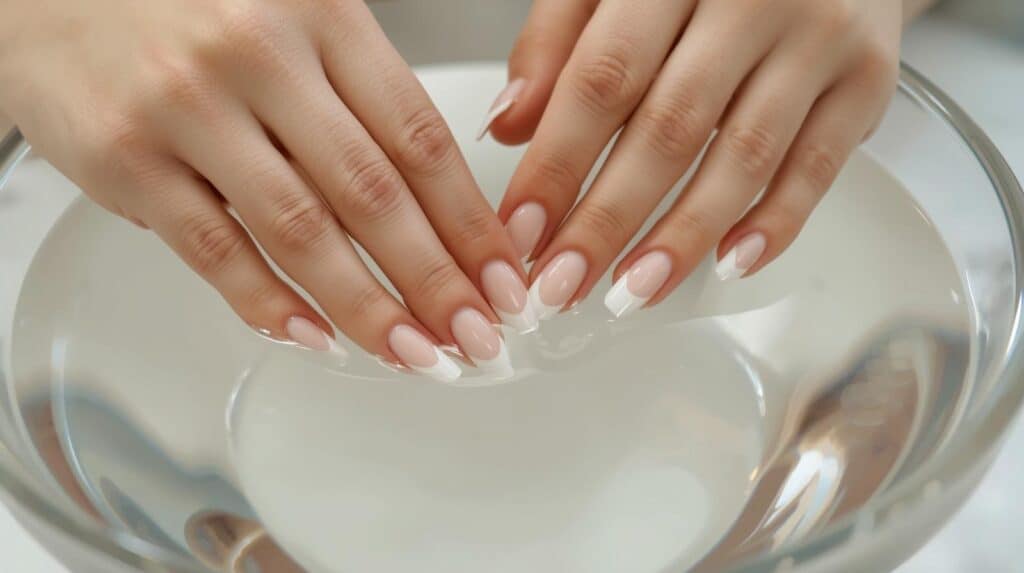
In this method, fingertips are placed into a bowl of acetone after the topcoat is lightly filed. Because more skin contacts the solvent, it is usually less targeted than wrapping each nail.
Compared with a remover machine:
- A direct acetone soak generally uses more acetone.
- More surrounding skin is exposed to liquid acetone during a bowl soak.
- Soak time varies by gel formula and thickness.
- There is no reliable evidence that heated vapor universally softens gel better than properly applied acetone wraps or soaks.
- Both methods require careful solvent handling and good ventilation.
Final Thoughts
There are pros and cons to every gel-removal method.
The main advantage of a gel polish remover machine is convenience and a more self-contained setup.
The main concern is that many designs heat acetone or another volatile solvent, which adds flammability and vapor exposure concerns.
If you are most concerned about protecting the natural nail, focus on light filing, adequate soak time, and zero forceful peeling or scraping.
For most at-home users, traditional room-temperature acetone wraps remain the simpler and better-established option.
Related Articles
How To Remove Gel Nail Polish With Sugar