
Redken Vs Olaplex
We all have unique hair needs, but largely we share a lot of the same concerns: we do not want dry, weakened strands, or to have the dullness that comes with loss of moisture.
We want to make sure our colour-treated tresses maintain their colour for as long as possible, too.
Finding the solution to correct these issues is not always a one-stop shop.
Two well-known professional haircare brands, Redken and Olaplex, offer products aimed at improving the look, feel, and manageability of damaged hair.
Modern bond-focused treatments are especially popular for hair that has been stressed by bleaching, coloring, heat styling, mechanical wear, or repeated chemical services.
Redken and Olaplex both market bond-focused systems for damaged hair, but no rinse-off or leave-in product can literally return already damaged hair to an untouched “natural” state. What these products can do is improve strength, smoothness, conditioning, and the appearance of damage.
The only question is: how do you decide which one is the system for you?
What are the differences between Redken and Olaplex?
Both Redken and Olaplex offer systems for damaged hair, but the difference is not as simple as “Redken works outside and Olaplex works inside.” Redken Acidic Bonding Concentrate focuses on acidic conditioning and strengthening technology, while Olaplex is built around its proprietary bis-aminopropyl diglycol dimaleate bond-building ingredient.
Below, we compare how the two systems are positioned, how they fit into a routine, and which type of user may prefer one over the other.
Redken Brand Overview
The Redken brand was created in 1960 by actress Paula Kent alongside chemist Jehri Redding.
The brand became known for a science-led approach to salon haircare, including attention to product pH and formulas designed for different hair concerns.
As the brand continued to develop, it continued to be an innovator in the industry through its scientific approach to hair care.
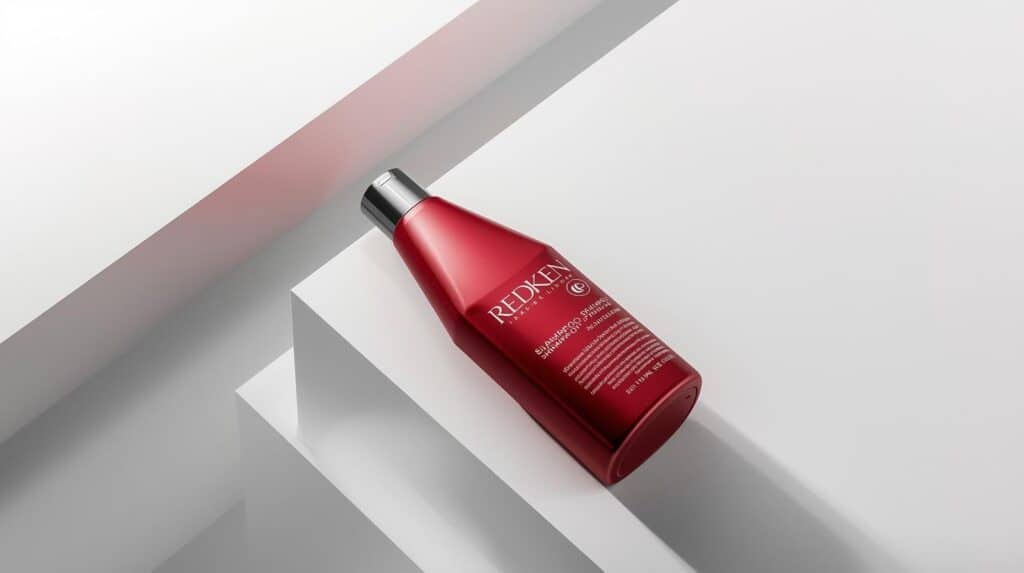
Over the years, the brand has also built a strong presence in professional salons through education, stylist training, and industry collaborations.
Redken was purchased by L’Oreal in 1993 and continued to be a leader in the hair industry, launching hair teams backstage at Fashion Weeks worldwide.
Over the decades, Paula Kent won many awards and accolades as a woman entrepreneur in the industry.
Today, Redken remains a widely distributed professional haircare brand with salon and retail availability in many markets.
Redken Hair Treatment Systems
With its science-based approach, Redken offers many lines for various types of hair needs, ranging from frizz control, colour protection, and moisture restoration.
However, the Acidic Bonding Concentrate line is aimed at damaged, brittle, or processed hair that needs conditioning, strength, smoothness, and frizz control.
Bonding treatments are popular in the current hair care market, largely due to the hair repair success stories we’ve seen from brands like Redken and Olaplex.
The Redken Acidic Bonding Concentrate is a four-step system consisting of a pre-shampoo treatment, shampoo, conditioner, and a conditioning leave-in treatment.
The system is designed to address several signs of damage, although how rich or effective the full routine feels can vary by hair density, texture, porosity, and styling habits.
Our hair can be damaged from many everyday factors, such as hair colouring, heat styling tools, and weather.
The products are formulated to strengthen the feel of damaged hair, smooth the cuticle, reduce roughness, and improve conditioning.
The Acidic Bonding Concentrate can improve the appearance and feel of damaged hair and may help reduce future breakage when used as directed, but it does not permanently reverse structural damage that has already occurred.
Here’s a review on Redken’s Acidic Bonding Concentrate from Everything Hair.
Product/Ingredient Benefits
One of the main ingredients in the Acidic Bonding Concentrate system is citric acid.
Citric acid is part of the line’s acidic approach. Acidic formulas can help support a smoother cuticle surface and improve the feel and manageability of chemically stressed hair.
Keeping the formula on the acidic side can help the cuticle lie flatter and make hair feel smoother. The benefit is to the hair fiber itself, not the living root or follicle.
The line is also positioned for color-treated and damaged hair, where reducing roughness, friction, and breakage can help the hair look healthier between salon services.
The Acidic Bonding Concentrate is also a sulfate-free formula, which offers a gentle clean and helps to retain hair’s moisture as well as protect against colour fade.
Cost/Stand-Out Products
The Acidic Bonding Concentrate products can be used as a coordinated routine, but you do not necessarily need every step. Prices for the individual products vary by retailer, size, and market.
Using several products from the same line can create a more consistent conditioning routine, but the best combination depends on how much cleansing, conditioning, and leave-in protection your hair actually needs.
The Acidic Bonding Leave-In Treatment is designed to condition damaged hair and provide heat protection. Check the current label for the maximum temperature and application directions before heat styling.
It also helps to control frizz and maintain shine, and should be used on damp hair after using the Acidic Bonding Concentrate Shampoo and Conditioner.
Another product in the system is the Pre-Shampoo Treatment, which is used before cleansing to add an extra treatment step for damaged hair.
The Pre-Shampoo Treatment is intended to complement the shampoo and conditioner, but it should not be described as making later products “penetrate deeper” unless the current manufacturer directions specifically say so.
The Pre-Shampoo Treatment should be applied to wet hair, left on for five to ten minutes, and then rinsed and followed with the shampoo and conditioner.
Olaplex Brand Overview
Olaplex was founded in California in 2014 by Dean Christal alongside Dr Eric Pressly.
The brand helped popularize bond-building haircare in both professional salons and at-home routines.
Olaplex became one of the best-known names associated with bond-building treatments and inspired a broader category of bond-focused haircare.
Championed by many hair industry professionals, the Olaplex brand wanted to create a system of hair products that could provide everyone with their solution to strong, healthy, shiny hair.
Olaplex built its reputation around a proprietary ingredient designed to help reconnect broken disulfide bonds within the hair fiber.
It remains a major brand in the bond-building category, with products aimed at salon treatments, at-home maintenance, conditioning, and styling support.
Olaplex Hair Treatment Systems
Olaplex has a wide range of products, many centered on bond-building technology and conditioning damaged hair. Bond repair is not the same as rebuilding all of the hair’s protein structure.
The categories for each of the products are divided into treatment, maintenance, and protection.
Treatment products are generally used less often than shampoo and conditioner. Follow the current directions for each product rather than assuming every treatment needs weekly use.
Maintenance products, including shampoo and conditioner, are intended to keep the hair cleansed, conditioned, and manageable between more intensive treatments.
Styling and protection products can help reduce heat exposure, friction, frizz, or dryness depending on the formula, but they cannot make hair completely immune to future damage.
Below is a review of Olaplex products from Audrey Victoria so you can see the difference for yourself.
Product/Ingredient Benefits
The signature ingredient associated with Olaplex is Bis-Aminopropyl Diglycol Dimaleate, which the brand uses in its bond-building technology. Check current ingredient lists because not every product formula should be assumed to contain the same amount or work identically.
These bonds are what create and shape the hair’s strength and overall appearance.
Improving bond integrity can help damaged hair feel stronger and more resilient, although no treatment can make heavily damaged hair identical to virgin hair again.
Many Olaplex products are marketed as sulfate-free and pH-balanced, but Olaplex is no longer the only brand in the bond-building haircare category.
Cost/Stand-Out Products
Olaplex prices vary by product, size, retailer, and market, so check current pricing rather than relying on one fixed figure across the line.
One of the brand’s best-known at-home products is the No. 3 Hair Perfector.
It is an at-home pre-shampoo treatment intended to support damaged hair between salon services.
Its purpose is to support bond integrity in hair stressed by processes such as coloring, bleaching, and heat styling, while improving the feel and manageability of damaged strands.
No. 3 Hair Perfector was created alongside steps No. 1 and No. 2, which are treatment products available only in salons and for hair care professionals.
No. 3 became the brand’s well-known at-home treatment. Some users may notice smoother or more manageable hair quickly, but the degree of visible improvement depends on the starting condition of the hair and the rest of the routine.
As Olaplex categorises products to treat, maintain, and protect, there comes the opportunity to find which combination of products works best for your specific hair type.
No. 4 and No. 5 are the brand’s shampoo and conditioner, respectively, and are designed to support a regular cleansing and conditioning routine for damaged hair.
The shampoo and conditioner are marketed for a broad range of hair types, but how rich they feel can vary with texture, density, oiliness, and how often you wash.
To continue to protect your hair through the bond rebuilding process, the No. 8 Bond Intense Moisture Mask helps to provide additional hydration to damaged hair.
The result is hair that is full of body, shine, and moisture.
The mask is used on damp hair according to the current label directions. Check the recommended timing and whether the product is intended to follow shampoo alone or shampoo plus conditioner, since usage instructions can change.
Redken Vs Olaplex: Which One Fits Your Hair Better?
The easiest way to choose is to look at what you want from the routine rather than assuming one brand is universally stronger.
- Choose Redken Acidic Bonding Concentrate if: you want a straightforward shampoo, conditioner, leave-in, and optional pre-treatment routine focused on smoothness, conditioning, frizz control, and damaged or color-treated hair.
- Choose Olaplex if: you specifically want the brand’s bond-building technology and prefer mixing targeted treatments with shampoo, conditioner, masks, or styling products from a larger system.
- If your hair is fine or easily weighed down: start with one treatment or leave-in rather than buying an entire system at once.
- If your hair is severely bleached or breaking: bond-focused products may improve feel and reduce further breakage, but trimming split or severely compromised ends is still necessary because no cosmetic treatment can permanently fuse a split end back together.
You also do not need to use both systems together to get results. Introducing one routine at a time makes it easier to tell which products are actually helping your hair.
Conclusion
Both Redken and Olaplex are established professional haircare brands with popular damaged-hair and bond-focused products.
Both are used by salon professionals and at-home consumers, although the right choice depends more on your hair and routine than on brand popularity.
Both the Redken Acidic Bonding Concentrate and the Olaplex system are designed to improve the condition and resilience of damaged hair and reduce the look and feel of breakage, roughness, or dryness.
Depending on your hair needs, either system can provide your desired results.
The Redken Acidic Bonding Concentrate line centers on acidic conditioning and strengthening care, with multiple products that can be combined or used selectively.
Olaplex offers a broader bond-focused range spanning treatments, cleansing, conditioning, masks, and styling products.
The practical difference is less about one brand working “inside” and the other “outside.” Olaplex is best known for its proprietary bond-building ingredient, while Redken Acidic Bonding Concentrate combines acidic conditioning, strengthening claims, and a more traditional shampoo-conditioner-leave-in routine.
Redken Vs Olaplex FAQs
Can You Use Redken Acidic Bonding Concentrate And Olaplex Together?
You can use products from both brands in the same overall routine, but using every bond-focused treatment at once is rarely necessary. Start with a simple combination and watch for heaviness, stiffness, dryness, or buildup.
Is Olaplex A Protein Treatment?
Olaplex is primarily marketed around bond-building technology rather than as a traditional protein treatment. Some individual formulas may contain conditioning or protein-related ingredients, so check the ingredient list for the specific product.
Does Redken Acidic Bonding Concentrate Contain Protein?
The line is mainly positioned around acidic bonding and conditioning technology rather than as a classic protein-treatment system. Ingredients vary by product, so check the current label if you are specifically trying to add or avoid protein.
Can Bond Repair Fix Split Ends Permanently?
No. Bond-focused products can temporarily improve smoothness, strength, and the appearance of damaged ends, but a true split end cannot be permanently repaired. Trimming is the only way to remove the split portion.
Related Articles
Best Dry Shampoos For Colored Hair