
Bakuchiol Vs Retinol
Skin ageing is a normal process, but a well-chosen routine can help reduce the appearance of fine lines, uneven tone, and texture over time.
Instead of chasing the next anti-ageing trend, it helps to focus on ingredients with a clear role in your routine, then use them consistently alongside moisturizer and sunscreen.
One of the best-known ingredients for visible signs of ageing is retinol, a vitamin A derivative that can help improve the look of fine lines, uneven texture, and some forms of discoloration over time.
Retinol can be irritating when you first introduce it, so your skin may need time to adjust and visible results usually develop gradually rather than overnight.
Some people experience dryness, peeling, or temporary breakouts when starting retinol, but not everyone goes through a true “purge.” Persistent burning, swelling, or worsening irritation is a sign to scale back or stop and reassess.
Daily sunscreen is especially important when you use retinol because protecting the skin from UV exposure helps prevent additional photoaging and irritation.
Bakuchiol is a plant-derived skincare ingredient that is often marketed as a gentler retinol alternative, although it is chemically different from retinoids.
Small studies suggest that bakuchiol may improve some visible signs of ageing with less irritation than retinol for some users, but the evidence base is much smaller.
So what is the difference between Bakuchiol and Retinol?
Bakuchiol is a plant-derived compound, while retinol is a vitamin A derivative. They are not the same ingredient and do not work through exactly the same pathways, but both are used to improve the appearance of ageing skin. Some routines may include both if the skin tolerates them.
What Is Bakuchiol?
Bakuchiol has become popular in skincare as a plant-derived ingredient for people interested in smoothing and antioxidant benefits.
It is often described as a retinol alternative because early research suggests overlapping cosmetic benefits with a lower irritation potential for some people.
The bigger question is whether bakuchiol can deliver results comparable to retinol. Current evidence is promising but still much more limited.

According to Paula’s Choice, Bakuchiol is “a natural antioxidant and anti-ageing ingredient found in the seeds and leaves of the plant Psoralea corylifolia.
This plant is known as babchi… research has shown this ingredient has soothing and anti-wrinkle properties.”
Bakuchiol is not a retinoid and should not be treated as an exact substitute for retinol, even though some of their cosmetic goals overlap.
Both are used with the goal of improving the look of fine lines, uneven texture, and overall skin tone.
How To Use Bakuchiol
Like Retinol, Bakuchiol can be formulated in numerous products.
Bakuchiol products can be used according to the brand directions. Unlike retinol, bakuchiol is not automatically limited to nighttime use.
If you use it in the morning, sunscreen is still important because UV protection matters in any routine focused on discoloration or signs of ageing.
Bakuchiol serums can be applied to cleansed skin and right before moisturiser.
This is one of the easiest ways to incorporate Bakuchiol into your routine.
If you plan to use a Bakuchiol face oil, it’s best to apply it over moisturiser to help lock in hydration.
However, another way to add Bakuchiol to your routine is to follow the directions on your product.
Each brand and manufacturer will have step-by-step instructions to get the most from your Bakuchiol.
Benefits Of Bakuchiol
Bakuchiol offers numerous benefits for the skin.
One potential advantage is that bakuchiol may be less irritating than retinol for some people. A plant-derived ingredient is not automatically vegan in every finished product, so check the brand if that matters to you.
Do not assume bakuchiol is automatically suitable for eczema, psoriasis, or highly reactive skin. Patch testing and professional guidance are sensible if your skin barrier is compromised or you have a diagnosed condition.
Paula’s Choice states that Bakuchiol can offer similar benefits to Retinol, like “diminished wrinkles, improved elasticity, and smoother skin.”
Bakuchiol has antioxidant activity and may help improve visible texture and signs of ageing, but its exact biological effects are not identical to retinol.
That distinction matters because similar cosmetic outcomes do not mean the ingredients are interchangeable or equally studied.
Some formulas combine bakuchiol and retinol, but evidence that bakuchiol reliably boosts retinol performance is still limited. Using both is optional, not necessary.
Cons Of Bakuchiol
There is no doubt that Bakuchiol is a promising ingredient. Unfortunately, there isn’t nearly enough evidence for Bakuchiol compared to Retinol.
Bakuchiol does not simply “work with the same receptors” as retinol. Research suggests it may influence some similar skin pathways, but the mechanisms are not identical.
According to one interview with Healthline, Dr. Jaliman and Dr. Zeicher state, “it’s unclear whether it’s truly effective as traditional retinol.
Jaliman believes you won’t get the same results as retinol.” However, it also doesn’t hurt to add it to your regimen.
Bakuchiol has far less clinical research behind it than retinoids, so retinol remains the more established option for people who want an evidence-backed ingredient for visible signs of ageing.
Who Can Benefit From Bakuchiol?
Bakuchiol may appeal to beginners or people who want a lower-irritation option for addressing early signs of ageing.
You do not have to use bakuchiol before retinol, but it can be an alternative if you are not ready to add a retinoid.
If you have sensitive skin or already use prescription skincare, introduce bakuchiol carefully rather than assuming it will be irritation-free.
However, always check with your derm whether you’ve used prescribed topicals and whether Bakuchiol will work for your skin.
What Is Retinol?
Retinol is one of the most established over-the-counter ingredients for visible signs of ageing because retinoids have been studied extensively.
Retinoid products are used for concerns such as acne, fine lines, uneven texture, and hyperpigmentation. Retinol is sold over the counter, while stronger retinoids such as tretinoin are typically prescription medications.
Retinoid is the broader category. Retinol is one type of retinoid, while prescription options such as tretinoin are more potent and have stronger clinical evidence for certain concerns.
A dermatologist may prescribe tretinoin when a prescription retinoid is appropriate. Over-the-counter retinol is a vitamin A derivative that can gradually improve the appearance of texture, fine lines, and some forms of acne.
How To Use Retinol
Most retinol products are used at night because retinol can be light-sensitive and nighttime use is easy to pair with a simple routine.
So, when you start using Retinol at night, it’s necessary to wear sunscreen every morning to protect your skin and reap all of Retinol’s benefits.
Retinol can be combined with other actives in some routines, but using it alongside strong AHAs, BHAs, benzoyl peroxide, or other irritating treatments may be too much for sensitive skin. Introduce combinations gradually.
The easiest way to reduce irritation is to start slowly, use a small amount, moisturize consistently, and increase frequency only if your skin remains comfortable.
Benefits Of Retinol
According to Healthline, “Retinol is primarily used to treat fine lines, wrinkles, sun spots, and other signs of sun damage, uneven skin texture, melasma, and other types of hyperpigmentation.”
These are just a handful of benefits Retinol can provide for the skin.
Retinol can work for many skin types, but it is not an essential product for everyone. Sunscreen, gentle cleansing, and moisturizer are more universally useful basics.
Retinol is especially useful for improving the appearance of fine lines, uneven texture, and some types of acne.
Cons Of Retinol
However, Retinol is one of the most intimidating skincare products, too.
Retinol can cause irritation, particularly when introduced too quickly or used in a formula that is too strong for your skin.
Some acne-prone users notice temporary breakouts after starting a retinoid, but new or worsening irritation should not automatically be dismissed as “purging.”
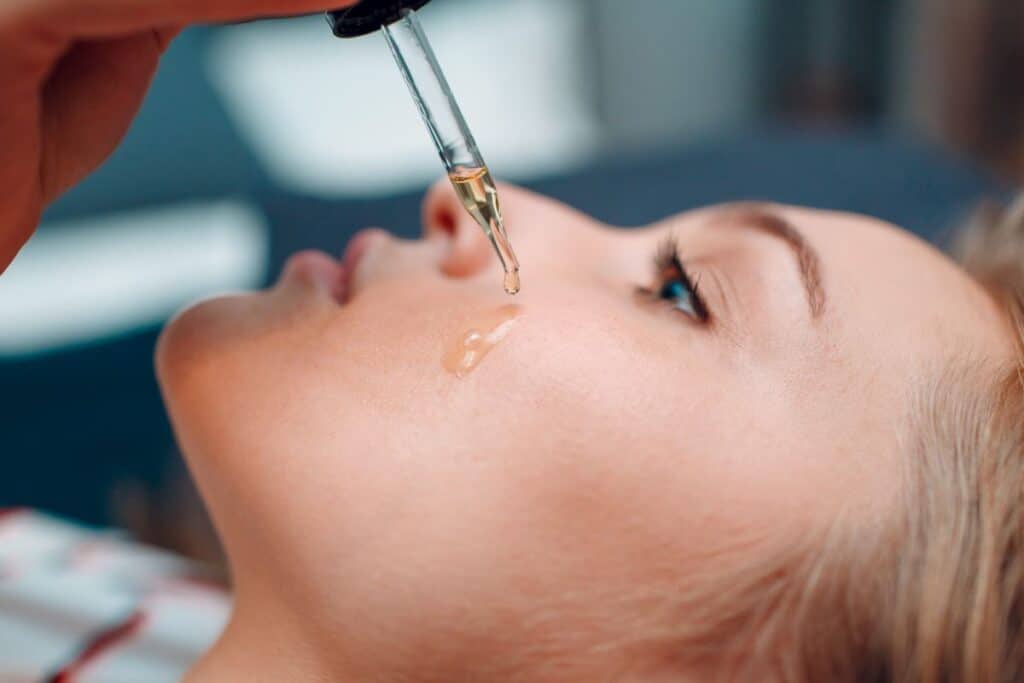
Retinol can cause side effects like redness, dryness, peeling, itchiness, and more. Depending on your skin type and reactions, you’ll want to nourish your skin accordingly.
For many people, dryness and peeling improve as the routine is adjusted, but persistent side effects may mean the product is too strong or too frequent.
Who Can Benefit From Retinol?
Retinol can be used by many skin types, but very sensitive, compromised, or medically treated skin may need a different approach.
For example, if you are dry or sensitive, you should use a skin barrier repairing product to calm your skin.
Ceramides are essential for your skin barrier’s health.
Use moisturisers or occlusives to lock in hydration. It will also be helpful to keep your skincare routine minimal while your face is adjusting to Retinol.
Overall, retinol is useful for many people, but tolerance varies. Pregnancy, breastfeeding, prescription routines, and certain skin conditions are reasons to discuss retinoid use with a healthcare professional.
Can You Use Bakuchiol & Retinol Together?
Bakuchiol and retinol can be used in the same routine if your skin tolerates both, but you do not need to combine them to get benefits from either ingredient.
Some brands formulate them together because bakuchiol has antioxidant and soothing properties, but clinical evidence for a meaningful synergy is still limited.
According to Paula’s Choice, “Bakuchiol’s potent calming and stabilising properties let Retinol work better and increase skin’s tolerance to this well-studied ingredient. This duo can make an impressive difference for visible skin concerns like wrinkles.”
If your skin tolerates both ingredients, keep the rest of the routine simple and add other actives one at a time. Daily sunscreen remains important.
Benefits Of Using Bakuchiol & Retinol Together
Using bakuchiol and retinol together may suit people who already tolerate retinol well and want to try a combined formula or layered routine.
Do not assume the combination automatically makes retinol work longer or better. The main practical benefit is that bakuchiol can add antioxidant support without being another retinoid.
Bakuchiol is an antioxidant known for combating environmental aggressors.
Antioxidants can complement a routine focused on uneven tone and visible ageing, but the overall result depends on the full formulation and how consistently you use it.
Bakuchiol may be less irritating than retinol, but it has not been proven to make every user “build tolerance” to retinol or prevent peeling and irritation.
Paula’s Choice claims that “Bakuchiol helps Retinol work longer before breaking down in the presence of air and light, so you’re likely to see better results.”
How To Use Bakuchiol & Retinol Together
Retinol can already be an intimidating product to use on its own. So, throwing another ingredient into the mix can be confusing.
Bakuchiol is generally straightforward to use, but its evidence base is smaller than retinol’s, so expectations should stay realistic.
If you want to use both, the safest approach is to introduce them gradually rather than adding several new actives at once.
Visible improvement from either ingredient usually takes time, so judge results over weeks to months rather than days.
When you start to use Bakuchiol and Retinol together, it’s crucial to monitor your skin and see how it reacts with each application.
Your skin will let you know what’s working and what’s not.
Are you ready to learn how to effortlessly add these products to your routine?
Keep Your Routine Simple
You’ll want to keep your skincare routine limited to a few products.
When testing retinol and bakuchiol together, keep the rest of your routine simple so it is easier to identify the cause if irritation develops.
You may want to limit strong exfoliating acids at first, especially if your skin is already dry or sensitive. Some experienced users can combine them, but there is no need to rush.
In the morning, use a broad-spectrum sunscreen as the final step. You may also use cleanser and moisturizer if your skin needs them.
A simple routine with a cleanser, moisturizer, sunscreen, and one active at a time is often easier to tolerate than introducing several new products together.
Start Slow
You never want to go from 0 to 100. For example, slowly add these products to your routine, so your skin has the chance to adapt.
This will also avoid irritation or damage to the skin barrier. You’ll want to build tolerance over time for the best results.
There is no universal schedule. For retinol, starting once or twice weekly is common, then increasing only if your skin remains comfortable. Follow the directions for your specific bakuchiol product rather than assuming it needs the same frequency.
Starting slow will protect your skin in the long run and help you gain the most benefits.
This will also give you time to analyse your skin and how it reacts with these two components in your regimen.
Stick To Nighttime Use
Retinol can be light-sensitive, which is one reason many formulas are designed for nighttime use.
Daily sunscreen is important because UV exposure contributes to photoaging and can worsen irritation or discoloration in a retinoid routine.
Use retinol at night unless your product says otherwise. Bakuchiol can often be used morning or night, depending on the formula.
The time of day matters less than using the products consistently and according to their formulation.
You do not need to wait an hour or two before bed. Allow the products to dry down comfortably before your face touches the pillow.
Take your time applying these products; this should be a relaxing step!
Alternate Between Products
Do you find it overwhelming to use Bakuchiol and Retinol on the same night? Another way to use both of these products in your skincare regimen is to alternate between them.
Alternating can make it easier to monitor irritation and may feel more comfortable than layering both in the same routine.
So how can you alternate between products? One night you can use Retinol, and the next night you can use Bakuchiol.
Or, you can use Retinol once a week and Bakuchiol once a week. This will also depend on your skin’s sensitivity levels.
Using both ingredients is not necessary for everyone, and alternating is one simple way to test whether your skin prefers them separately.
Finally, you may find you love Bakuchiol more than Retinol or vice versa.
Tips For Using Retinol And Bakuchiol At Once
So, what else should you know about incorporating Bakuchiol and Retinol into your skincare routine?
We will share a few tips to make applying these products a breeze. You’ll also save your skin from unnecessary irritation.
Conducting patch tests, consulting a derm, and nourishing your skin with the right ingredients will help your face adjust easily to Bakuchiol and Retinol.
Also, one of the best things you can do is apply sunscreen daily.
Patch Test
A patch test can help identify obvious irritation or allergy before you apply a new product more widely, although it cannot predict every delayed reaction.
With retinol, irritation can develop after repeated use rather than within the first 24 hours, so introduce it slowly even if a patch test looks fine.
Bakuchiol may be less irritating than retinol for some people, but plant-derived ingredients can still cause sensitivity or allergic reactions.
Natural elements can still cause adverse reactions or irritation, so doing a patch test can save your skin from distress.
When starting retinol, a lower strength and lower frequency can help reduce irritation. Bakuchiol products vary, so follow the concentration and directions provided by the brand.
Nourish Your Skin Barrier
Retinol can be drying or irritating, especially during the first few weeks of use.
If your skin becomes dry or tight, focus on barrier-supportive products and reduce retinol frequency rather than pushing through significant irritation.
For example, using a moisturiser or serum with Ceramides, like CeraVe, can keep your barrier healthy and plump.
Ceramides pair well with numerous skincare ingredients, even with something as intense as Retinol.
A well-supported skin barrier helps reduce water loss and keeps the skin feeling comfortable while you use active ingredients.
That makes it easier to use bakuchiol or retinol consistently without unnecessary dryness.
Talk To Your Derm
If you are unsure how retinol or bakuchiol fits into your routine, a dermatologist can help, especially if you already use prescription skincare.
This is especially helpful for creating a routine customised to you.
Consulting a derm is also excellent for those with a lot of prescription skincare, sensitive skin, various skin conditions, or a history of vulnerable skin.
You may even learn something new about your skin that is unique to you.
A dermatologist can help distinguish simple irritation from an underlying skin condition and recommend an appropriate treatment plan if your skin reacts badly.
Find A Product With Both Components
What’s the simplest way to incorporate Bakuchiol and Retinol in your routine?
First, find a product that lists both components on the ingredients list! Yes, there are many products on the market that are formulated with both Retinol and Bakuchiol.
If you want to simplify your routine, a formula that already combines retinol and bakuchiol may be easier than layering two separate products.
A single formula can also reduce the guesswork involved in layering two separate products.
Keep in mind that a combination formula is only as good as its overall formulation and concentrations. More ingredients do not automatically mean better results.
A 2-in-1 product can be a convenient option, but results still depend on how much of each ingredient is present and how consistently you use it.
Never Skip Sunscreen
Sunscreen is one of the most important parts of any routine focused on visible ageing, pigmentation, or retinoid use.
Daily UV protection helps prevent new sun damage from working against the progress you are trying to make with skincare.
Sunscreen helps protect against photoaging and can also reduce the chance that post-inflammatory marks become darker.
Consistent sun protection is especially valuable for preventing additional hyperpigmentation and visible sun damage.
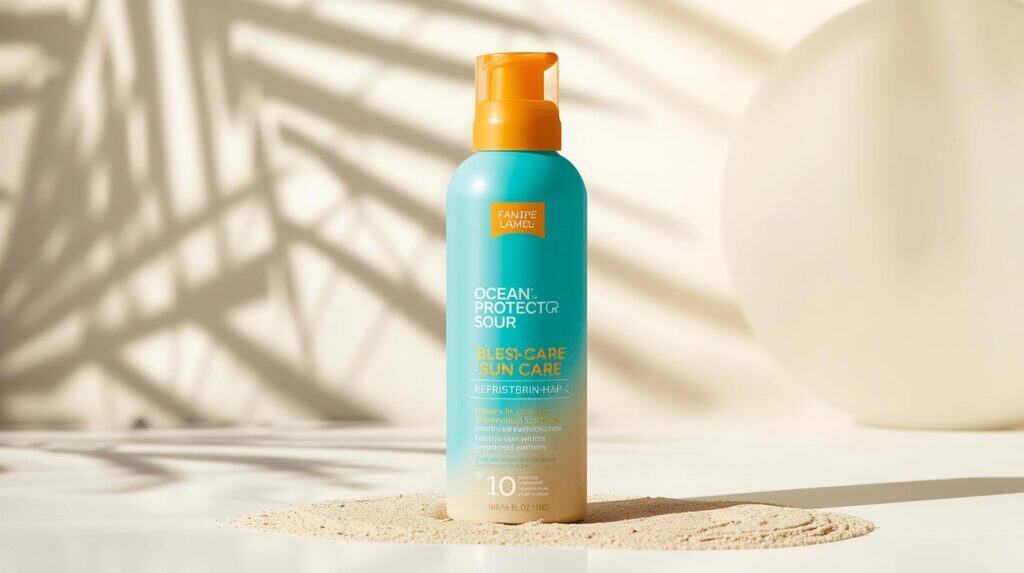
Use a broad-spectrum sunscreen every morning and reapply as directed when you are outdoors. Sunscreen does not replace the rest of your routine, but it is one of the highest-value steps for long-term skin protection.
Who Can Benefit from Bakuchiol & Retinol?
People who already tolerate retinol well may be able to add bakuchiol, but there is no guarantee that every skin type will tolerate the combination. Bakuchiol can also be used on its own if you prefer a gentler option.
Retinol can be irritating at first, but with a supportive skincare routine, you’ll see benefits within a few months.
Overall, suitability depends on your skin sensitivity, current routine, medical history, and treatment goals.
If you are hesitant about adding Bakuchiol and Retinol into your routine, always consult a dermatologist and perform a patch test.
Patch testing and professional guidance can reduce uncertainty, but neither can guarantee that a reaction will never occur.
The Takeaway
Bakuchiol is often marketed as a plant-derived alternative to retinol. The two ingredients share some cosmetic goals, but they are not equivalent.
Bakuchiol is promising, but its evidence base is still much smaller than the research supporting retinoids.
Studies are still being released and conducted regarding the outcomes Bakuchiol can provide for the skin.
On its own, bakuchiol may appeal to beginners or people who want a potentially gentler option for visible signs of ageing.
Some products combine bakuchiol and retinol, but stronger evidence is still needed to show that bakuchiol consistently enhances retinol’s effectiveness.
You can use the two in the same routine if your skin tolerates them, or alternate them if that feels more comfortable.
Whichever approach you choose, consistent sunscreen, moisturizer, and realistic expectations matter just as much as the active ingredients.
The better choice depends on whether you prioritize the stronger evidence behind retinol, the potentially gentler feel of bakuchiol, or a carefully introduced combination of both.
Bakuchiol Vs Retinol FAQs
Is Bakuchiol As Effective As Retinol?
Bakuchiol has promising early research, but retinoids have a much larger body of evidence behind them. If you want the more established option for fine lines, uneven texture, or acne, retinol generally has stronger support. Bakuchiol may still be useful if you prefer a potentially gentler ingredient.
Can You Use Bakuchiol In The Morning?
Yes, many bakuchiol products can be used in the morning or at night. Follow the directions for your specific formula and wear sunscreen during the day.
Can You Use Bakuchiol And Retinol On The Same Night?
You can if your skin tolerates both and the products are designed to be layered. Beginners or sensitive skin may find it easier to alternate them first so it is obvious which product is causing irritation if a reaction develops.
Should You Use Retinol During Pregnancy?
Retinoids are generally avoided during pregnancy. If you are pregnant, trying to conceive, or breastfeeding, ask your healthcare professional which skincare ingredients are appropriate for you before using retinol or prescription retinoids.
Related Articles
Can You Use Purple Shampoo On Green Hair?
What Will Happen If You Put Red Dye Over Green Hair?