Does Vaseline Darken Lips?
Vaseline can be useful for dry lips because it reduces moisture loss and helps soften rough, flaky skin.
But have you heard the rumor that Vaseline can change the color of your lips? There are claims that it can make lips darker, lighter, or even pinker.
Some people say that Vaseline darkens lips, while others believe it can lighten them or make them look temporarily pinker and healthier.
To separate fact from myth, it helps to understand what petroleum jelly does on the skin and what actually causes lip color to change.
Once you understand that, you can use it more confidently and know what results to expect.
So, does Vaseline darken lips?
No. Vaseline does not directly darken your lips or permanently change their natural pigment. It mainly acts as an occlusive, meaning it forms a barrier that slows moisture loss. It also does not replace sun protection, so if you are outdoors, use a lip product with broad-spectrum SPF.
If your lips look darker over time, the cause is more likely to be sun exposure, irritation, inflammation, smoking, certain medications, or natural pigmentation rather than Vaseline itself.
The main thing to remember outdoors is that plain Vaseline does not provide reliable UV protection.
In this post, we’ll look at how Vaseline works on the lips, whether it can affect their appearance, and what to use if you want to protect or add color to them.
What Is Vaseline?
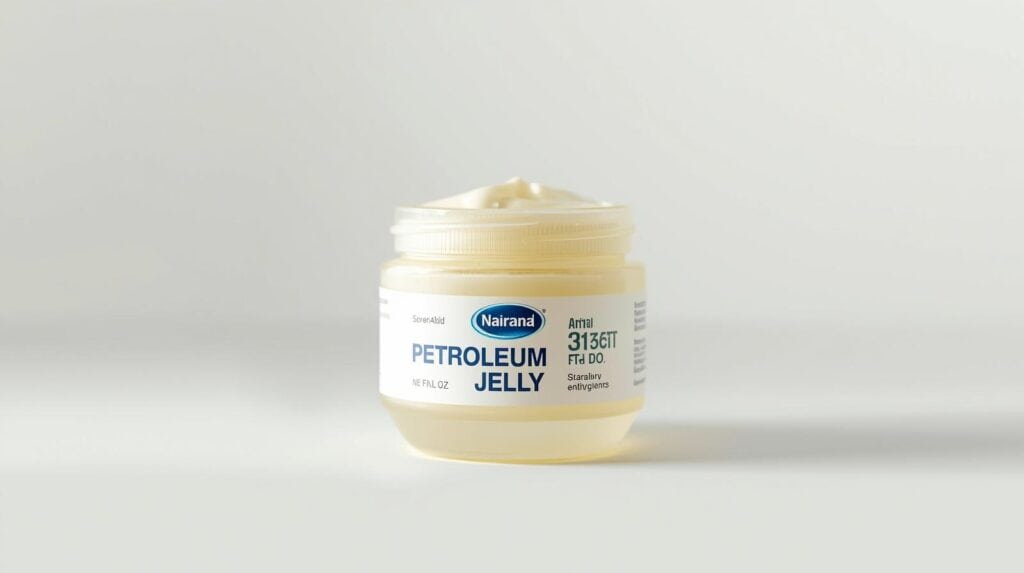
To understand how Vaseline works, it’s important to understand what it is. Vaseline is a brand name for petroleum jelly, also known as petrolatum.
Petroleum jelly is a semisolid mixture of mineral oils and wax-like hydrocarbons.
Petroleum jelly has been used for well over a century as a skin protectant and occlusive ointment.
It is commonly used to reduce water loss from the skin by forming a protective layer over the surface.
Petroleum jelly can also support the healing of minor superficial skin injuries by helping keep the area moist and protected, provided the wound is clean.
Its main benefit is forming an occlusive barrier that slows transepidermal water loss and helps protect irritated skin from further drying.
Vaseline is not a humectant, so it does not draw water into the skin in the same way ingredients such as glycerin do.
However, that does not mean it is useless on dry lips. By slowing moisture loss, petroleum jelly can help soften chapped lips and improve how comfortable they feel.
It works especially well when applied after the lips have been gently hydrated, such as after washing or over a suitable moisturising lip product.
This is why Vaseline is commonly used on the lips during dry, windy, or cold weather.
It can help reduce further cracking and dryness, although severely painful, bleeding, or persistent lip irritation may need medical attention.
Can Vaseline Darken Your Lips On Its Own?
Let’s start by examining whether Vaseline, on its own, has any effect on the color of your lips.
There is no good evidence that plain petroleum jelly permanently changes the natural pigment of the lips.
Its long history of cosmetic and skin-protectant use does not support the idea that it routinely makes skin darker or lighter.
Applying Vaseline to the lips may change their surface appearance, but it should not permanently alter their underlying color.
Some people notice that their lips look slightly pinker or more even-toned after applying an occlusive balm.
This does not necessarily mean pigment has changed. A shiny layer can reflect light, while softened dry flakes may make the natural lip color look more visible.
When dry, pale flakes are softened, the lips can appear less ashy and more saturated in color.
That can create the impression that the lips are pinker even though the underlying pigmentation has not changed.
So, overall, Vaseline does not directly lighten or darken the lips. Its main visible effect is making the surface look smoother, softer, and glossier.
Can Vaseline Darken Your Lips In The Sun?
A common claim is that wearing Vaseline in sunlight makes the lips darker. The evidence does not support treating petroleum jelly like a tanning oil.
Plain petroleum jelly is not a sunscreen, but there is also no good reason to assume that a normal layer on the lips significantly amplifies UV exposure or makes the lips tan faster.
Tanning oils and petroleum jelly are not interchangeable products, and intentionally increasing UV exposure is not a safe way to change skin or lip color.
What matters most is that unprotected lips can still receive UVA and UVB exposure, whether or not you are wearing Vaseline.
That UV exposure can contribute to sunburn, dryness, premature skin changes, and long-term damage.
Vaseline does not provide dependable broad-spectrum UV protection, so it should not be your only lip product during prolonged sun exposure.
If you are spending time outside, use a broad-spectrum lip balm with SPF and reapply it as directed.
Your lips are part of your skin and can be damaged by ultraviolet radiation just like other exposed areas.
Sun exposure itself may cause temporary redness, irritation, or gradual pigment changes in some people, but that is an effect of UV exposure, not evidence that Vaseline darkens lips.
Can lips become darker after sun exposure? Yes, some people can develop more visible pigmentation after repeated UV exposure, while others may mainly burn or peel.
Lips can burn, dry out, crack, peel, and develop pigment changes after significant sun exposure.
Excessive exposure can also cause inflammation and persistent roughness.
Long-term UV damage also affects the lips, which is one reason lip sun protection matters.
So, if you are going outside for extended periods, use a dedicated sunscreen or, preferably for convenience, a lip balm specifically labelled with broad-spectrum SPF.
How Dangerous Is It?
So, is it dangerous to wear Vaseline outdoors? Not by itself. The concern is relying on it as though it were sun protection.
Wearing a little Vaseline while you run an errand is generally not a problem, but it does not protect your lips from UV radiation.
If you are intentionally trying to darken your lips by spending long periods in direct sunlight, that is the part to avoid.
Excessive UV exposure can lead to painful sunburn, cracking, peeling, long-term skin damage, and an increased risk of lip cancers.
If you want darker-looking lips, sun exposure is not a safe or predictable method.
Use a lip balm with SPF when you expect meaningful sun exposure.
Many lip balms contain occlusive ingredients similar to petrolatum, along with emollients or humectants that can improve softness and comfort.
For daytime outdoor use, choose one with broad-spectrum SPF and reapply according to the label, especially after eating, drinking, or wiping the lips.
If your usual lip balm has no SPF, apply a lip-safe sunscreen product first or switch to a balm that includes sun protection.
You do not need to avoid Vaseline outdoors, but do not rely on it as your only sun protection. Use a proper SPF lip product whenever UV exposure is significant.
Safer Ways To Make Your Lips Look Darker
If you want to deepen your lip color without using UV exposure, cosmetic products and professional cosmetic tattooing are more predictable options.
Lip Tattooing
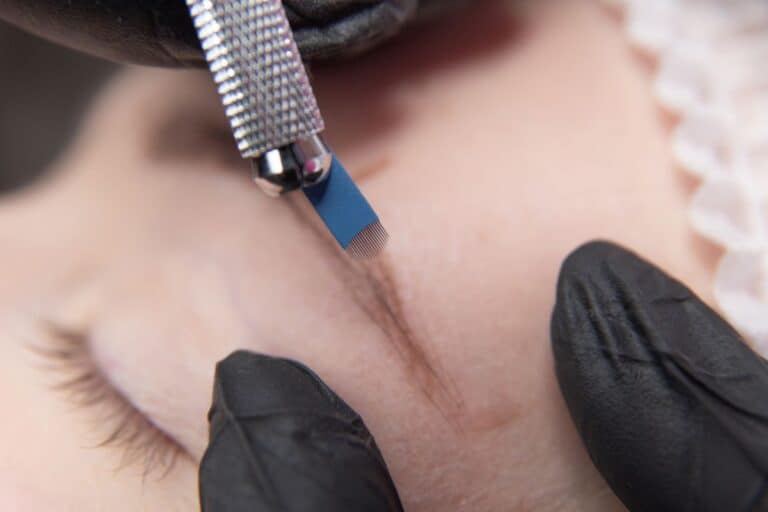
Lip tattooing, sometimes called lip blushing, is a cosmetic tattoo procedure that deposits pigment into the lips. The results are usually semi-permanent and can alter the apparent shade or definition.
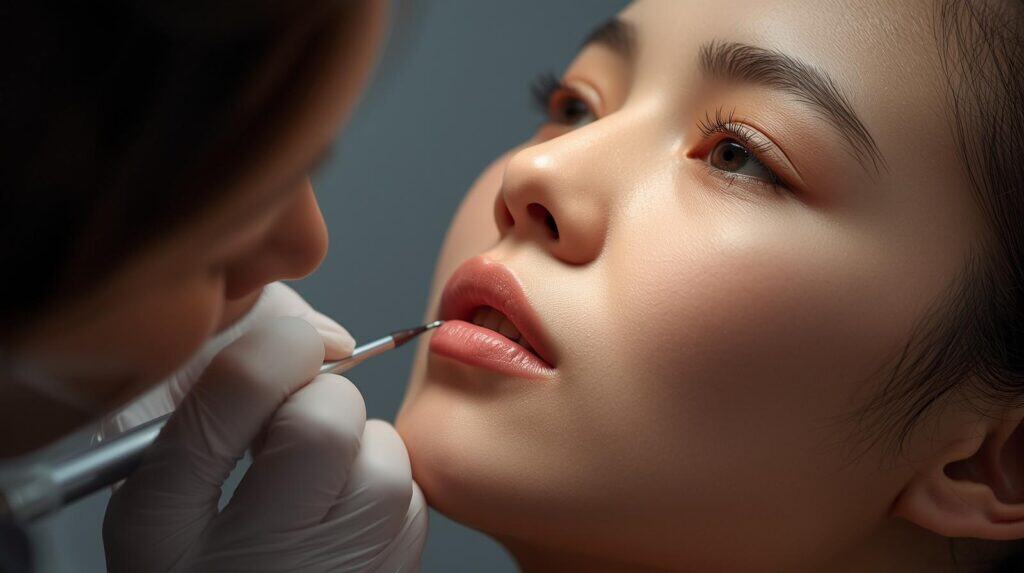
Results vary by technique, pigment, skin response, and practitioner skill. Because this is a tattoo procedure, choose a properly licensed professional who follows strict hygiene practices and discuss risks such as infection, allergy, cold sore reactivation, and uneven pigment beforehand.
Lip Tint
A less permanent option is a lip tint, which adds color much like lipstick or gloss but is formulated to stain the lips for longer wear. How long it lasts varies widely by product, eating, drinking, and application.
Lip tint is an affordable, low-commitment way to make the lips look darker without permanently changing their natural pigment.
Tinted Chapstick
A tinted lip balm can combine color with emollient or occlusive ingredients that help the lips feel softer.
For daytime wear, choose a chapstick with SPF or use a sunscreen cream that is suitable for the lip area before heading outdoors.
Final Thoughts
Vaseline does not directly darken your lips. It mainly reduces moisture loss and can make dry lips look smoother and less ashy.
Sun exposure can damage the lips and sometimes contribute to pigment changes, but tanning them is not a safe or reliable beauty method.
If you want a deeper lip color, cosmetic options such as lip tint, tinted balm, lipstick, or professionally performed lip blushing are safer and more controllable.
Lip blushing may suit someone who wants a longer-lasting cosmetic pigment, while lip tints and tinted balms are lower-commitment choices.
Related Articles
How To Get Pink Lips With Toothpaste
How To Get Bigger Lips Permanently Without Surgery