
How Long After Glycolic Acid Can I Moisturize?
Creating your own personal skincare routine is a process that is unique to your skin type and its specific needs.
Finding the magic blend of ingredients, order of application, and special treatments is a fun and complex process.
Especially when you are looking to add ingredients to your routine that are considered chemical exfoliants, knowing when and how to use them is essential.
One popular chemical exfoliant saturating the skincare market is glycolic acid, thanks to its ability to slough off dead skin cells to reveal smoother, more even skin layers beneath.
Particularly for oily skin, glycolic acid is available in many forms to brighten the skin tone, even out discoloration, and reduce acne breakouts.
As it is available in many different products, knowing when to apply the product in relation to the rest of your skincare routine, especially your moisturizer.
It is key to unlocking the full benefits of the ingredient.
How long should you wait to moisturize your skin after applying glycolic acid?
It is best to wait until the glycolic acid has fully absorbed into your skin before finishing your routine with your moisturizer, so it can reap the full benefits of the product.
Glycolic acid is a superhero ingredient that can target many concerns and is available in a wide range of product types.
Below, we will discuss what glycolic acid is, the benefits of adding it to your routine, and when is the best time to use it!
What Is Glycolic Acid?
Glycolic acid is a popular skincare ingredient in the Alpha Hydroxy Acid (AHA) family.
As an AHA, it acts as a chemical exfoliant that helps enhance the skin’s appearance in a variety of ways, not just on your face but also on your body (we love it for strawberry legs).
Most commonly, it works to remove dead skin cells and excess oil to help provide a clear, even complexion.
It is naturally derived from sugar cane, unlike other AHAs, such as citric acid and lactic acid, which are derived from citrus and milk, respectively.
Compared to other AHA molecules, glycolic acid is the smallest, allowing it to penetrate deeper layers of the skin and begin clarifying the skin from the inside out.
Glycolic Acid Benefits
There are many benefits for your skin from adding glycolic acid to your routine.
One of the main benefits of this AHA ingredient is its ability to improve the overall tone and texture of the skin.
Glycolic acid works to break apart the dead skin cells that can cling to the surface layer of the skin
and gently slough them off to reveal the new layers of brightened and smoothed skin underneath.

By breaking down dead skin cells and excess oil that can clog pores, glycolic acid helps reduce acne breakouts.
It can also help prevent new breakouts by thoroughly exfoliating.
Glycolic acid can also help even out discoloration on the skin left behind by acne scarring.
It can also help reduce the appearance of discoloration caused by sunspots and hyperpigmentation.
By being able to penetrate the layers of the skin so deeply,
it can target areas of discoloration while working to exfoliate the top layer of the skin to reveal an even tone and complexion.
Products with glycolic acid are often used to target fine lines and wrinkles and reduce their appearance.
Glycolic acid can encourage collagen production in the skin, helping create plumpness and minimize fine lines and wrinkles.
Along with boosting collagen production, glycolic acid can also improve the skin’s elasticity,
which further helps reduce the appearance of fine lines, creating a smooth texture.
While improving skin’s elasticity and collagen production, glycolic acid also delivers a healthy dose of hyaluronic acid.
This helps keep the skin well-hydrated and locks in existing moisture.
What Products Contain Glycolic Acid?
As glycolic acid offers many skin benefits, there is a range of products formulated with the ingredient to deliver the best results for your skin type and concern.
Glycolic acid is found mainly in serums, toners, and moisturizers. It can also be found in facial and body cleansers.
This can be an easy, gentle way to introduce glycolic acid into your routine if your skin is sensitive.
Glycolic acid is also a popular ingredient for AHA chemical peels.
The chemical peels are to be administered by a skincare professional.
They contain a higher concentration of the product than what you would find in regular, over-the-counter skincare products you use at home.
What Type of Glycolic Acid Works For You?
Glycolic acid is an ingredient that targets many concerns and is available in a variety of skincare options.
Finding the formula that works for you depends on your concerns and your skin type.
Glycolic acid is an ideal product for those with normal to oily skin, as it can be too drying for dry or sensitive skin types.
Cleansers are an excellent way to start incorporating the ingredient into your skincare routine and can be gentle enough for daily use.
It can also help combat acne breakouts while gently exfoliating the skin.
If you are looking for more exfoliation, especially if you are targeting discoloration or fine lines, using glycolic acid in a toner, serum, or moisturizer can help address those concerns.
They have more time to absorb into the skin than a cleanser does.
However, if you want to target specific areas of concern, such as hyperpigmentation, a chemical peel will yield stronger results.
AHA chemical peels can often be done monthly to address your concerns.
Applying Glycolic Acid After Moisturizer
As with any skincare products, knowing how to layer products or combine certain ingredients will help you in achieving the results you are after.
Although it has its own moisturizing properties, glycolic acid should always be followed by a moisturizer, both day and night.
If you are using the product as a toner, you can apply your moisturizer after using any serums.
If you are using the product as a serum or exfoliating toner, wait for it to fully absorb into the skin before applying the moisturizer.
Waiting until the serum or toner has been fully absorbed into the skin allows the skin to receive the full benefits of the ingredients before adding another layer of product.
Best Ways To Use Glycolic Acid In Your Routine
Although glycolic acid can be easily incorporated into your routine through various products, it is essential to avoid overuse to prevent irritation.
While it is ideal for normal to oily skin, overuse of glycolic acid can cause irritation, such as redness, itchiness, or dryness.
It is best to incorporate the ingredient gradually into your routine, allowing your skin sufficient time to adjust to its exfoliating properties.
Depending on the type of product, glycolic acid can be used both during the day and at night.
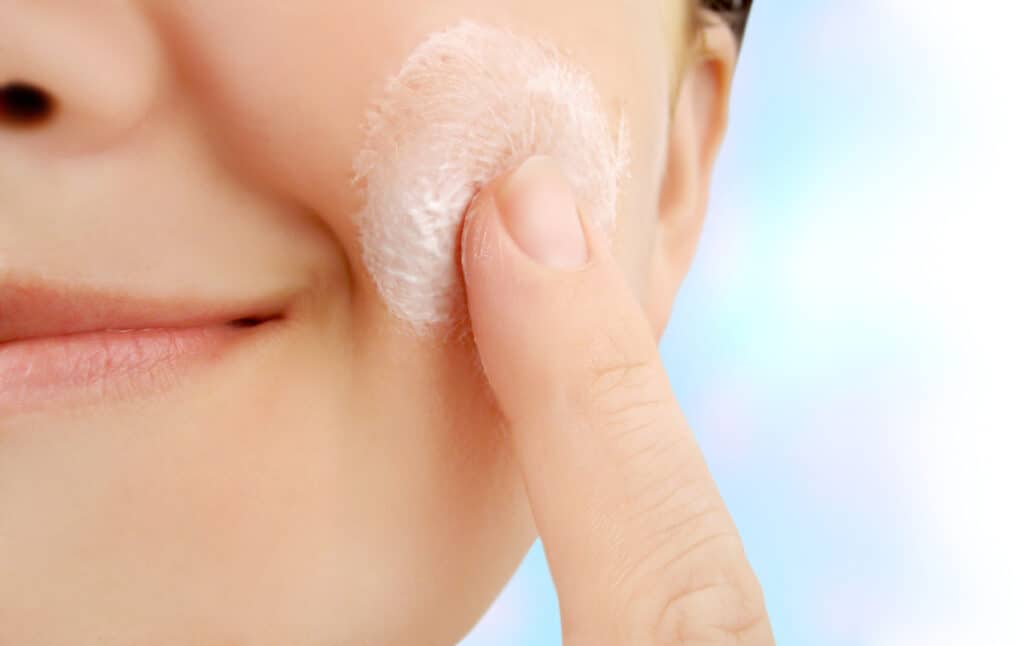
However, if you are adding the product to your routine, it is best to start by using glycolic acid only at night, then follow up with your nightly skincare routine.
If you plan to use the product during the day, it is essential to apply sun protection to avoid potential sun damage.
When using glycolic acid during the daytime, allow the product to absorb into the skin before applying your facial moisturizer.
After your moisturizer has been fully absorbed, finish your skincare routine with sunscreen, as glycolic acid can make your skin extra sensitive to the sun.
Its exfoliating properties expose new, more vulnerable layers of the skin to sun damage, which is why an SPF is crucial.
Along with incorporating glycolic acid slowly into your routine, be mindful of the other products you use.
While it can be layered with other skincare ingredients, it is best to avoid using glycolic acid if you are also already using retinol products or certain acne medications.
Retinol and acne medications can make your skin more sensitive or prone to dryness, and adding glycolic acid to your routine can further increase sensitivity, irritation, or dryness.
Depending on your skin type and how your skin responds to glycolic acid, you can use it several times a week.
Conclusion
Glycolic acid is a powerful chemical exfoliant that can work wonders on the skin.
Whether you are looking to even out areas of discoloration left behind by acne scars,
wanting to add radiance to your complexion, or wanting a chemical exfoliant that can break down and slough off dead skin cells that can clog pores.
Glycolic acid is making its way into many more skincare formulas.
By slowly incorporating this AHA ingredient into your routine, your skin will look brighter, more even, and clearer than ever!
Related Articles
Why You Should Use Glycolic Acid On Your Legs
Best Body Washes With Glycolic Acid (AHA)
Can You Use Glycolic Acid Every Day?