
Do You Shampoo After Bleach?
Dyeing your hair at home is one thing, but bleaching it is a whole other ballgame.
When you bleach your hair, alkaline ingredients swell the hair fiber and allow oxidizing agents to break down natural or artificial pigment.
Bleaching is a high-damage chemical process that can leave hair drier, more porous, and more prone to breakage, especially if it is overlapped or overprocessed.
That being said, many people successfully bleach their hair at the salon and even at home.
Good results depend on the starting condition of your hair, the lightener and developer used, processing time, saturation, and whether previous color is present.
prepared and minimize unnecessary damage
Among other things, you’re wondering if you’re supposed to use certain products on your hair after bleaching, like shampoo.
So, do you shampoo after bleaching?
Yes, shampoo may be appropriate immediately after bleaching, depending on the lightener and the next step. The safest rule is to follow the bleach manufacturer’s rinse-out directions exactly. Many lighteners are thoroughly rinsed and then shampooed to remove residue before conditioning or toning. There is no universal 24-48 hour rule that says you must avoid shampoo after bleach.
In this post, we will cover how to rinse out bleach, when shampoo may be used, how toner changes the process, and how to care for freshly lightened hair.
How To Wash Out Bleach
Quick answer: rinse the bleach thoroughly as soon as processing is complete, then follow the lightener’s instructions. If the directions say to shampoo, shampoo once with a gentle cleanser. If toner comes next, follow the toner directions for whether the hair should be shampooed, towel-dried, or conditioned first.
- Do not leave bleach on longer than the manufacturer’s maximum processing time just because the hair is not light enough.
- Rinse until the water runs clear and no lightener remains on the scalp or hair.
- Use shampoo only if the bleach or next color step instructs you to do so.
- Condition after the chemical service unless the next step requires otherwise.
Many people who bleach their hair follow with toner or another color step to refine the shade. One example of a toning product is this Olaplex toning shampoo, although a toning shampoo is not the same thing as a professional toner.
But some people want to lighten their hair and leave it at that.
Regardless of what plan you’re following, you will need to wash out the bleach from your hair once your hair has lightened.
To wash out bleach, start by rinsing very thoroughly, then follow the specific product instructions. Many lighteners direct you to shampoo after rinsing so residual lightener is removed completely.
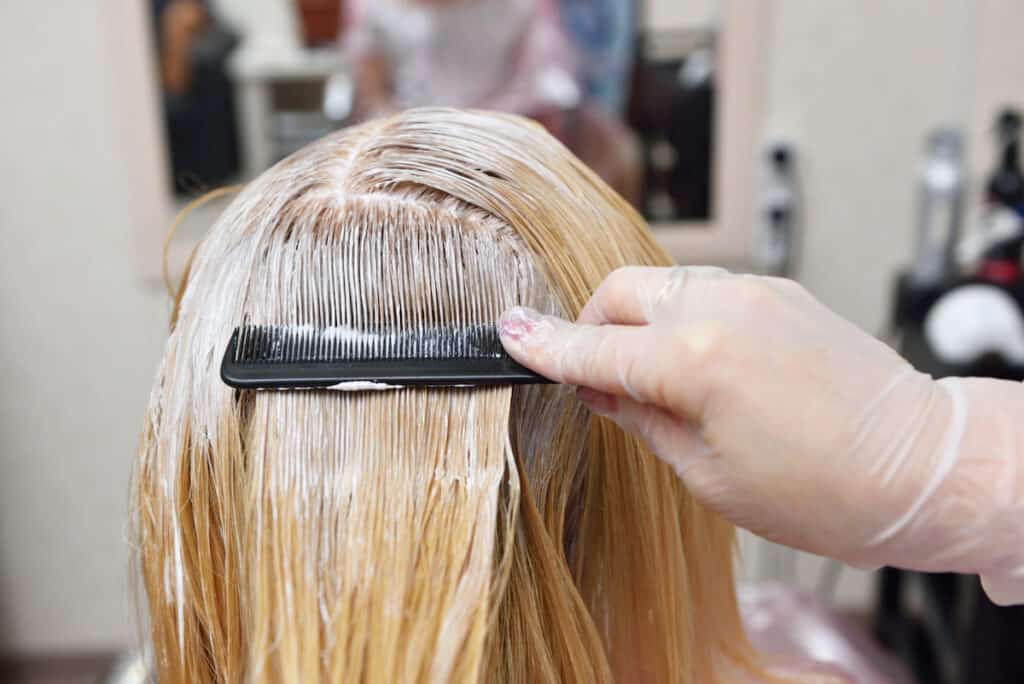
Use lukewarm water unless the product directions specify otherwise. Extremely hot water can make freshly processed hair feel rougher and drier.
Do not assume shampoo is harmful simply because the hair has just been lightened. A gentle shampoo can be an appropriate part of removing bleach residue when the manufacturer instructs it.
use an unnecessarily harsh or repeated cleansing step on freshly processed hair
remove all visible bleach thoroughly and stop the chemical process as directed
continue reacting with the hair and scalp
you can wait until your hair actually needs another wash. Some people prefer to go a day or two before the next routine shampoo, but there is no required waiting period for hair to “recover” from water or shampoo.
Choose a gentle shampoo whenever you do wash, especially if your hair feels dry or porous after bleaching.
How To Wash Out Post-Bleach Toner
follow the toner or color manufacturer’s rinse-out instructions. Some formulas are rinsed with water only, while others specifically call for shampoo.
Colors and toners enable you to transition from “bleach blonde” to various shades of blonde or fun colors like pink, lavender, and grey.
A toner deposits or adjusts color to neutralize unwanted warm tones such as yellow or orange; it does not remove brassiness in the same way bleach removes pigment.
So, should you use shampoo to wash out toners and dyes after bleaching?
There is no universal rule that colors and toners must be shampooed out. Shampooing immediately can be unnecessary for some demi-permanent, semi-permanent, or toner formulas, so follow the label or your stylist’s instructions.
toner, the correcting shade depends on the unwanted undertone. Purple is commonly used against yellow, while blue can help counter orange.
If a toner is left on longer than directed or is not rinsed as instructed, you may notice an unwanted blue or purple cast, depending on the formula and your starting shade.
If that’s what you’re going for – that’s one thing.
However, if you were hoping for beautiful blonde tresses, this may disappoint you.
you should follow that product’s directions rather than automatically shampooing it out
Follow the directions on the packaging for whatever dye you’re using.
avoid unnecessary repeated washing immediately afterward if your hair feels dry or fragile
reduce extra cleansing and manipulation while the hair is freshly processed
What Shampoo Should You Use After Bleaching?
Whether you shampoo immediately after bleaching because the lightener directs it, or wait until your next normal wash
more porous and can feel drier or rougher, so a mild shampoo and good conditioner are usually easier on freshly bleached hair
Bleach formulas are alkaline, which swells the hair fiber and raises the cuticle.
oxidizing agents can reach and break down
the hair fiber can lose lipids and structural integrity
it helps to use a gentle shampoo and conditioner that leave the hair manageable rather than stripped
Helpful shampoo features may include:
- Gentle enough for your scalp and hair; sulfate-free is optional, not mandatory
- Conditioning and easy to detangle with; silicones can be useful for slip and are not automatically harmful
- Conditioning or moisturising if your lengths feel dry
- Compatible with your conditioner or bond-building routine if you use one
If your blonde develops unwanted yellow tones, a purple shampoo can temporarily neutralize some warmth. It is not necessary for every bleached shade and can feel drying if overused.
These days, there are numerous shampoo options on the market that meet these criteria.
One option is this shampoo by Redken, which is marketed for bleached hair.
And this one by Olaplex is a purple toning shampoo that may help neutralize yellow tones when used as directed.
Signs Your Hair May Be Overprocessed
- Hair feels gummy, mushy, or unusually stretchy when wet.
- Large amounts of hair snap during gentle detangling.
- The scalp has intense burning, blistering, swelling, or open sores.
- The hair breaks off in visibly weakened bands where bleach overlapped.
If the scalp is badly burned or blistered, rinse thoroughly and seek medical care. If the hair is extremely weak or gummy, stop further chemical processing and have a stylist assess it before bleaching again.
How To Keep Your Bleached Hair Healthy
reduce dryness, friction, and breakage after lightening it
hair feel softer, stronger, and easier to manage
Less Frequent Washes
Even if you’re using a gentle shampoo, avoid washing more often than your scalp and styling routine require, especially while the hair feels unusually dry or fragile after bleaching.
Wet hair is more vulnerable to stretching and mechanical damage, especially when it is highly processed.
You do not need to avoid water altogether. Focus instead on gentle washing, conditioning, detangling, and minimizing rough towel drying.
If your scalp tolerates it, you can space washes out and use gentle dry shampoo occasionally when the roots look greasy.
Loose styles can also reduce the need for daily heat styling, but avoid very tight updos that pull on fragile hair.
Use A Repairing Mask Weekly
Using a repairing or conditioning mask can be useful for the first few weeks or months after bleaching if your hair feels dry or rough.
Bleaching can make hair more porous, reduce some lipids, and weaken its keratin-based structure.
improve softness, slip, and manageability. Masks cannot permanently restore hair to its pre-bleached state
This one by Kloraine features moisturizing ingredients, as well as a keratin complex, to help target various issues.
You can also use simple pre-shampoo oils or masks if they work for your hair, but DIY mixtures are optional rather than necessary. Coconut oil can reduce protein loss in some hair when used appropriately.
Reduce Heat Exposure
Since your hair is already vulnerable, using hot tools on it can exacerbate the issue.
processed hair may be more vulnerable to
can increase dryness and mechanical stress
limit additional heat stress
You can’t always avoid using heat on your hair (hello, cold winter mornings), but you can try to reduce it.
use comfortably warm rather than very hot water
Embrace your hair’s natural texture or explore heatless techniques, such as heatless curls, which are fun and easy to achieve.
Trim Frequently
Bleaching can increase the risk of split ends and breakage, but not everyone needs an immediate trim.
trim damaged ends when they actually appear or when the ends feel thin, split, or difficult to detangle
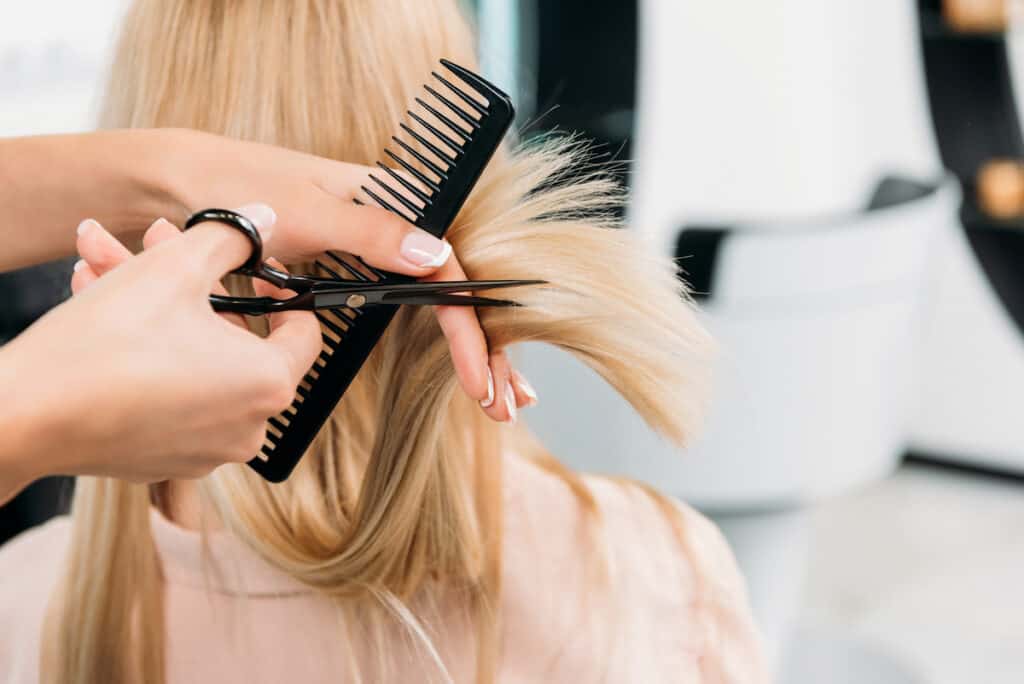
Getting regular trims on a schedule that suits your haircut and level of damage can remove split or weathered ends before they become more noticeable.
It’ll also give your hair a fuller and healthier appearance.
trimming does not change growth at the scalp, but removing split ends can improve the appearance and reduce breakage at the ends
regular haircuts can be helpful, but the ideal frequency depends on your damage level, haircut, and length goals
Final Thoughts
There has been a lot of confusion about whether or not to use shampoo after bleaching your hair.
do not follow a blanket “no shampoo for 24 hours” rule. Rinse the bleach thoroughly and follow the lightener’s instructions, which may include shampooing immediately
If a toner or color specifically instructs you to shampoo afterward, avoid unnecessary extra washing and use conditioner to reduce dryness.
care for it with gentle cleansing, regular conditioning, reduced heat, and products that improve slip and reduce breakage
Hopefully, this article helps clarify the confusion surrounding washing your hair after bleaching.
Shampooing After Bleach FAQs
Should You Shampoo Immediately After Bleaching?
Follow the bleach instructions. Many lighteners are rinsed thoroughly and then shampooed once to remove residue. There is no universal rule that shampoo must be avoided for 24 or 48 hours after bleaching.
Should You Condition After Bleaching?
Usually, yes, unless toner or another color step needs to be applied first according to its instructions. Conditioner can improve slip and reduce the rough feel that often follows bleaching.
Should You Shampoo Toner Out?
Only if the toner directions say to. Some toners and colors are rinsed with water and conditioned afterward, while others specify shampoo. The product instructions take priority.
When Can You Use Purple Shampoo After Bleaching?
Use it when unwanted yellow tones appear and the product directions allow it. Purple shampoo is a toning cleanser, not a repair treatment, and using it too frequently can make dry bleached hair feel rougher.
Related Articles
Best Protein Fillers For Bleached Hair
How To Make Bleached Hair Soft And Silky
Does Bleaching Your Hair Damage It Forever?