Can You Use Fragrance Oils On Skin?
Fragrance oils can smell just as polished as a perfume or body product, but that does not mean every bottle belongs on your skin. The important distinction is whether the exact fragrance oil was formulated and labeled for cosmetic use.
Some fragrance formulas may contain ingredients that can irritate sensitive skin or may only be suitable at specific concentrations in finished products.
Labels can also be confusing when they use terms such as “clean,” “natural,” or “non-toxic.” Those marketing terms do not tell you whether a fragrance oil has been assessed for direct skin use or what concentration is appropriate.
A short ingredient list or natural origin does not automatically make a product gentler. Essential oils, plant extracts, fragrance materials, preservatives, and synthetic ingredients can all cause irritation depending on the formula, concentration, and your skin.
Fragrance oils are often discussed alongside essential oils, but the two are not interchangeable. A product made for candles or diffusers has a very different use case from a fragrance ingredient intended for a lotion, perfume, or other cosmetic.
So, are fragrance oils safe for skin?
Do not put a fragrance oil directly on your skin unless the manufacturer specifically labels that exact product for cosmetic or skin-safe use at a defined concentration. Fragrance oils sold for candles, diffusers, or home scenting should not be assumed safe for skincare simply because they smell pleasant.
Below, we’ll explain how fragrance oils differ from essential oils, how to check whether a fragrance oil is suitable for skin, what reactions to watch for, and why “skin-safe” still does not mean irritation-proof.
What Are Fragrance Oils?
You may find fragrance oils in craft, candle-making, home-fragrance, soap-making, or cosmetic-supply sections depending on the product.
Many are formulated for candles, wax melts, diffusers, soaps, or other scented products, while some are specifically developed for perfumes or body products.
Fragrance oils are not to be confused with essential oils.
The main difference is composition. Fragrance oils are blends created to produce a particular scent and may contain synthetic aroma chemicals, naturally derived fragrance materials, or both.
They may mimic flowers, foods, woods, or fantasy scents, but the name of the fragrance does not tell you whether the ingredients are natural, synthetic, or a mixture.
Like all cosmetic ingredients, fragrance materials are chemicals whether they come from a plant or are made synthetically. What matters is the identity, concentration, quality, and intended use of the finished formula.
Safety depends on the specific product and exposure route. A fragrance oil designed for candles or diffusers should not be used on skin, while a cosmetic-grade fragrance may be suitable only within the manufacturer’s stated usage limits.
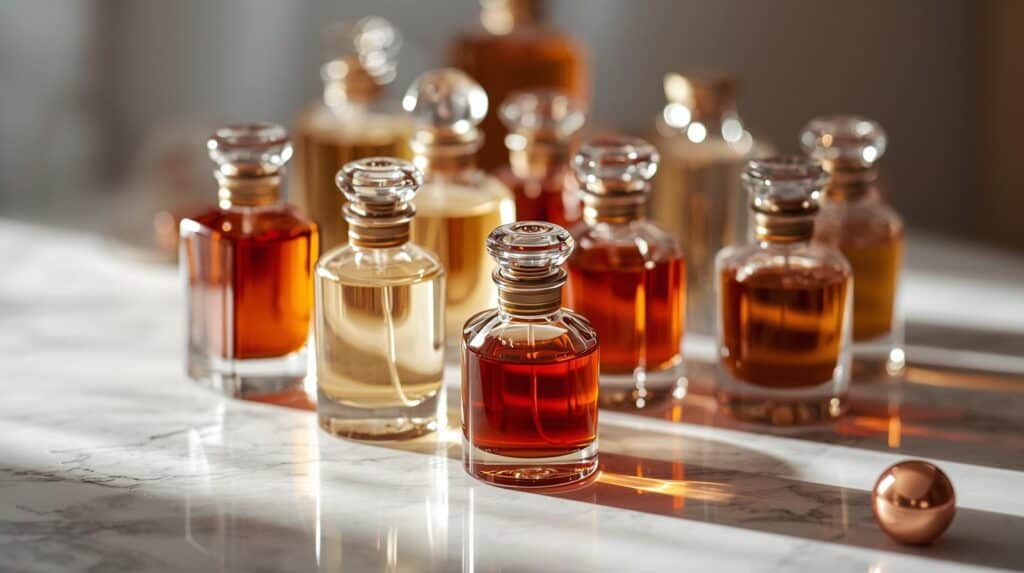
Shelf life and cost vary by formula, packaging, raw materials, and storage. Synthetic fragrance materials are not automatically shorter-lived or cheaper than essential oils.
The most reliable way to tell fragrance oils from essential oils is to read the product label and ingredient information rather than guessing from the scent.
Novel scents such as “pumpkin spice latte” or “gingerbread house” usually require a fragrance blend because there is no single essential oil that naturally smells exactly like the finished concept.
Essential oils are concentrated aromatic extracts from botanical materials such as peppermint, lavender, eucalyptus, or citrus peel.
Essential Oils Vs. Fragrance Oils
Both essential oils and fragrance oils can add scent, but their source does not tell you whether they are safe for a particular beauty use. The intended application and concentration matter more than whether a fragrance is natural or synthetic.
Essential oils and fragrance oils are both used to add aroma to products, but a material suitable for home fragrance is not automatically suitable for skin.
Depending on the product, they may be mixed into wax for wax melts, used in diffusers, or included in spray air fresheners. Those uses should be kept separate from cosmetic use unless the supplier specifically provides skin-use guidance.
If you’re using fragrance ingredients in lotions, perfumes, bath products, or other body products, check the supplier’s intended-use information before adding anything to a formula.
Choose ingredients that are specifically formulated or supplied for the intended cosmetic use, and stay within the usage guidance for that exact material. Essential oils are not automatically safer than fragrance oils simply because they are naturally derived.
Essential oils may be used in some massage, aromatherapy, soap, or haircare products, but they need appropriate dilution and formulation. Undiluted essential oils can irritate or sensitize the skin.
Some essential oils have been studied for specific uses, but they should not be treated as broad medical treatments or substitutes for evidence-based care.
Cost varies widely, so fragrance oil is not always cheaper than essential oil and price does not indicate skin safety.
Essential-oil price and shelf life depend on the plant, extraction method, storage, oxidation, and packaging. Some essential oils oxidize relatively quickly, while others remain stable longer.
So, let’s break all of that down:
| Fragrance Oils | Essential Oils | |
| Ingredients | Blends of synthetic and/or naturally derived fragrance materials | Concentrated aromatic extracts from botanical materials |
| Skin Safety | Only if specifically formulated and labeled for cosmetic use at an appropriate concentration | Can still irritate or sensitize skin and usually require careful dilution |
| Shelf Life | Varies by formula and storage | Varies by oil, oxidation rate, packaging, and storage |
| Uses | Candles, diffusers, soaps, perfumes, or cosmetics depending on the exact product | Aromatherapy and some cosmetic or personal-care products when appropriately formulated |
| Cost | Varies widely | Varies widely |
| Scents | Can reproduce natural, food-inspired, or fantasy scents | Reflect the aromatic profile of the source botanical |
How To Tell If A Fragrance Oil Is Skin-Safe
The words “fragrance oil” alone are not enough to tell you whether a product belongs on your skin. Check the label or supplier information for a clear cosmetic or body-use indication, plus instructions for the intended product type.
- Check the intended use: a fragrance sold only for candles, wax melts, diffusers, or room sprays should not be repurposed for skincare.
- Look for usage guidance: skin-compatible fragrance ingredients still have concentration limits. Follow the supplier’s directions for the exact product you are making.
- Do not rely on “natural” wording: natural fragrance materials and essential oils can still irritate or sensitize skin.
- Be cautious with sensitive areas: products used near the eyes, lips, freshly shaved skin, or already irritated skin deserve extra care.
If the seller does not provide enough information to confirm cosmetic use, it is better to choose a fragrance ingredient from a supplier that does. Guessing based on scent, price, or how “gentle” the marketing sounds is not a reliable safety check.
Fragrance Oil Side Effects
Applying a non-cosmetic fragrance oil directly to skin can cause irritation, allergic contact dermatitis, or other reactions depending on the ingredients and concentration.
Even if it’s your first time using a fragrance oil on your skin, the area where you applied it may become warm, red, itchy, or uncomfortable.
A burning sensation can also occur. Reactions are possible in both sensitive and previously tolerant skin.
If you come into contact with fragrance oils and have sensitive skin, itching or burning may be more noticeable, and some reactions can include hives or swelling.
Mild irritation may improve after the product is washed off and avoided, while marked swelling, blistering, breathing symptoms, eye involvement, or a persistent rash warrants medical advice.
Strong fragrance can also be unpleasant around the nose and may trigger sneezing or nasal irritation in some people, especially when a concentrated product is used in a poorly ventilated space.
The concentrated formula of fragrance oils can be overwhelming when used undiluted.
Not having an immediate reaction does not prove that a fragrance is suitable for unrestricted use. Irritant reactions depend on dose, while allergic contact dermatitis can develop after repeated exposure.
Some individual fragrance ingredients have been studied for endocrine activity, but it is not accurate to claim that normal topical exposure to every fragrance oil directly disrupts hormone production.
Risk depends on the specific ingredient and dose, so broad claims about lowering estrogen should not be made without evidence for that exact product.
What To Do If Fragrance Oil Gets On Your Skin
If you accidentally get a fragrance oil on your skin and it is not intended for direct topical use, remove contaminated clothing or jewelry if needed and gently wash the area with soap and lukewarm water. Avoid scrubbing, since friction can make irritated skin feel worse.
Stop using the product if you notice persistent redness, burning, itching, swelling, or a rash. Seek prompt medical advice for severe swelling, blistering, trouble breathing, eye exposure, or symptoms that continue to worsen.
Once your skin has settled, do not retry the same concentrated fragrance just to see whether the reaction happens again. If you still want the scent in your routine, choose a finished cosmetic formulated for skin or a properly documented cosmetic fragrance used according to its instructions.
Using Essential Oils
If a fragrance oil is not intended for skin, the safer alternative is a finished cosmetic or personal-care product formulated for that use rather than improvising with concentrated aroma materials.
Essential oils are another type of fragrance ingredient, but they come with their own irritation, allergy, and photosensitivity risks.
Some essential oils can be used on skin when properly formulated and diluted, but others are poor choices for certain skin types or body areas.
Natural origin does not make essential oils automatically safer, and they can still trigger irritation or allergic sensitization.
If you want to use essential oils in a beauty routine, the safest approach is to use professionally formulated products or follow product-specific dilution guidance rather than guessing by drop count.
Massage
Adding an aromatherapeutic touch to massages is something special that you and your partner would definitely appreciate!
For massage, use a finished massage oil or follow a reputable dilution guide for the specific essential oil. There is no universal “three-drop minimum.”
Do not increase concentration simply to make the scent stronger, because irritation risk rises with dose.
Lotion
You can also use the same method to add a personal touch to your own self-care routine!
Rather than adding concentrated essential oil directly to a bottle of lotion, use a product already formulated with fragrance or mix only according to validated formulation guidance. Changing a finished lotion can affect its stability and preservative system.
A small patch test can sometimes reveal obvious irritation, but it cannot guarantee that an allergy will never develop later.
If you develop burning, rash, swelling, or itching, stop using the mixture and wash it off rather than trying to rescue it by adding more lotion.
Shampoo
Noticing hair fall and thinning?
Rosemary essential oil has limited research suggesting it may help some people with hair growth, but it is not a proven miracle treatment for thinning hair.
If you want to try rosemary oil, use a scalp product already formulated at a skin-safe concentration rather than adding undiluted essential oil directly to your shampoo bottle.
Follow the directions of the finished scalp product. There is no universal five-minute contact time that guarantees better hair growth.
Scrub
Citrus essential oils can add fragrance to body products, but some are irritating and certain expressed citrus oils can be phototoxic on sun-exposed skin.
The aroma may feel refreshing, but citrus essential oil should not be relied on to “brighten” skin, and combining fragrance with a physical scrub can increase irritation.
Use a finished scrub formulated for skin instead of relying on a universal drop count, and avoid applying phototoxic citrus oils before sun exposure.
Rollerball
Perhaps one of the most popular uses of essential oils is in aromatherapy.
Some people find certain scents relaxing or energizing, but aromatherapy effects are subjective and should not be presented as guaranteed changes in energy, anxiety, or sleep.
To see if this works for you, find an essential oil that comes in rollerball form (or transfer your oil into an empty rollerball container).
Use only a properly diluted rollerball on intact skin and keep essential oils away from the eyes, lips, inside the nose, and other sensitive areas.
Perfume
Can’t seem to find a perfume scent that’s up your alley?
DIY perfume can be fun, but it is not automatically better for sensitive skin because both essential oils and fragrance ingredients can cause irritation or allergy.
Even when you control the ingredients, you still need to respect dermal-use limits and avoid assuming that a natural fragrance material is skin-safe at any concentration.
There are tons of tutorials online on how to do this at home.
But just so you have an idea, they typically involve a carrier oil, your choice of essential oils, and, of course, the perfume bottle of your choice.
Bath Bombs
A scented bath bomb can make bath time feel more relaxing, but fragrance ingredients still need to be used with the same care as they would in any other body product.
Bath bombs are widely available, and DIY versions can be fun to customize. The tricky part is making sure concentrated fragrance or essential oil is properly incorporated rather than leaving droplets of undiluted oil on the bath water.
If you’re making them as a gift, keep the scent level conservative and consider whether the recipient has fragrance sensitivities or easily irritated skin.
Choose scents based on aroma and skin compatibility rather than trying to assign each oil a medical purpose. More fragrance is not necessarily better, especially in a product that sits in warm water against a large area of skin.
Popular Essential Oils And Skin-Safety Notes
When choosing essential oils, think first about scent preference, skin tolerance, and intended use rather than assigning broad medical benefits to each aroma.
Here are several popular essential oils and the main safety considerations to know before using them in personal-care products.
1. Tea Tree
Tea tree oil has been studied for antimicrobial and anti-inflammatory activity, but it can also cause irritation or allergic contact dermatitis.
It appears in some acne-prone-skin products, although evidence is more limited than for established ingredients such as benzoyl peroxide or salicylic acid.
Do not treat undiluted tea tree oil as a substitute for proven treatments for athlete’s foot, dandruff, lice, or inflammatory skin conditions. Formulated products may have a role in some cases, but persistent symptoms deserve appropriate medical treatment.
2. Orange
Orange oil is mainly used for fragrance. It can irritate skin, and some citrus oils can increase photosensitivity depending on how they are extracted.
It should not be used as a disinfectant or relied on to improve circulation.
Orange oil is not a proven anti-aging treatment for fine lines or wrinkles. If used at all, choose a properly formulated cosmetic product and follow sun-safety guidance for that specific citrus ingredient.
3. Rosemary
Rosemary oil has a strong herbal aroma and is common in scalp and aromatherapy products.
Some people find the scent invigorating, and limited research has explored rosemary oil for hair growth, but it should not be expected to reliably reduce stress or regrow hair on its own.
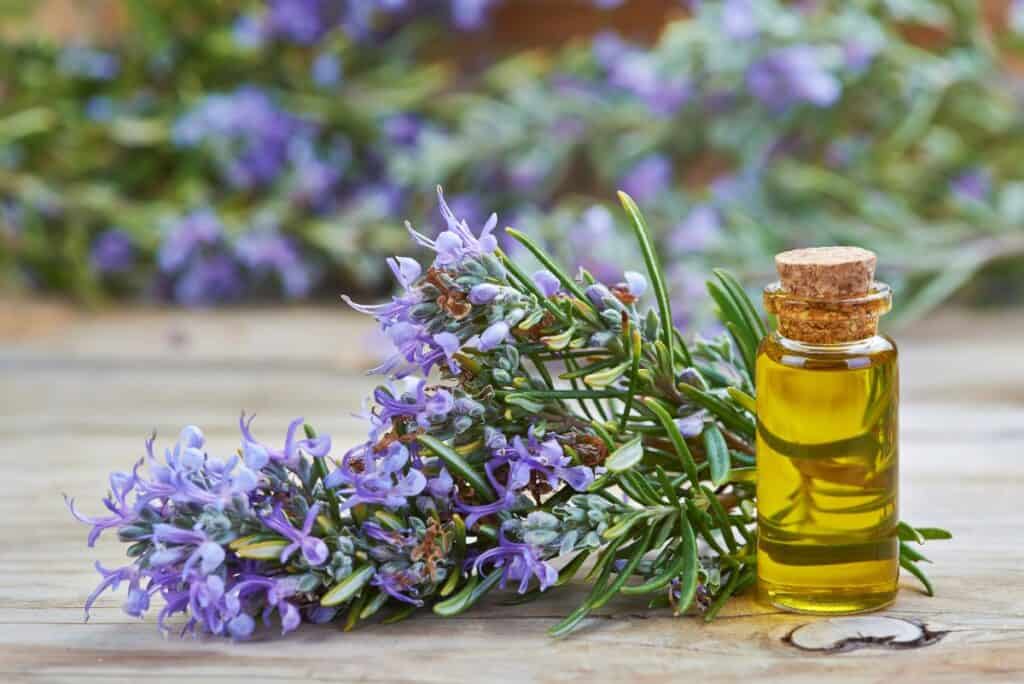
In terms of aroma, this scent is potent and can get overwhelming if used in excess.
4. Peppermint
Peppermint essential oil has a cooling scent, but it should not be relied on as a treatment for low energy.
Avoid applying peppermint oil to hives, eczema flares, or actively irritated skin, since menthol and fragrance can worsen burning or sensitivity.
Menthol-containing topical products can create a cooling sensation and are used in some pain-relief products, but undiluted peppermint essential oil is not a substitute for migraine or musculoskeletal treatment.
5. Lemongrass
Lemongrass oil has been studied for antimicrobial and antioxidant activity, but concentrated oil can be irritating to skin.
Laboratory studies have reported antimicrobial, anti-inflammatory, and antioxidant activity, but that does not mean concentrated lemongrass oil is a safe or proven treatment for a skin condition.
It is not a necessary facial toner and should not be expected to even out skin tone. Sensitive facial skin may react poorly to fragranced essential oils.
Do not rely on lemongrass oil to treat Malassezia folliculitis (“fungal acne”) or athlete’s foot. Those conditions need appropriate antifungal treatment when diagnosed.
6. Lavender
Can’t get to sleep?
Whether you’re dealing with insomnia or your brain can’t seem to turn on the sleepy switch, there’s little more annoying than not being able to get a good night’s rest.
Lavender oil has a scent many people associate with relaxation, and some studies have explored aromatherapy for sleep, but it should not replace evaluation for persistent insomnia.
Lavender aroma may feel calming to some people, but essential oils are not a treatment for anxiety disorders or depression.
7. Ginger
One may think of ginger as the starting ingredient to basically every single meal, but not only does this root ingredient taste amazing.
Ginger has culinary and medicinal uses, but concentrated ginger essential oil should still be handled cautiously on skin.
If you use ginger oil for fragrance, keep it off heating pads unless the product instructions specifically allow that use. Heat can increase evaporation and skin exposure.
Do not rely on ginger essential oil for anxiety treatment or wound healing.
Do not mix essential oils into Neosporin, scar creams, or products being used on open wounds. Essential oils can irritate damaged skin and are not sterile wound-care products.
8. Chamomile
Muscle aches can happen for many reasons and are not simply an inevitable part of aging.
If you enjoy chamomile oil for its scent, use a professionally formulated topical product rather than guessing at a DIY dilution.
Chamomile aroma may feel soothing, but it should not be expected to treat muscle pain or regulate the sleep cycle.
If you have eczema, fragranced essential oils can sometimes worsen irritation. Use eczema treatments recommended for sensitive skin instead of applying essential oils to a flare.
9. Eucalyptus
You may be aware of the benefits of applying Vicks VapoRub to your chest when you’re feeling congested.

Eucalyptus oil has a strong menthol-like aroma, but it is not a direct replacement for a medicated chest rub.
The scent may make breathing feel more open temporarily, but eucalyptus oil does not treat the underlying cause of a persistent cough or congestion and should not be described as better than proven medicines.
If using eucalyptus in a bath product, choose a properly formulated product that disperses the oil safely. Undiluted essential oil can float on bath water and contact the skin at irritating concentrations.
The Bottom Line
Fragrance oils can be used safely in some beauty products, but only when the exact fragrance is intended for cosmetic use and used within its stated limits. A candle fragrance, diffuser oil, or home-scent product should not be treated like perfume oil or skincare simply because the scent is appealing.
If you have sensitive skin, a history of fragrance reactions, or an active rash, a fragrance-free product may be the simpler option. And if a fragrance causes burning, itching, swelling, or persistent redness, stop using it rather than trying to dilute the reaction away after application.
Frequently Asked Questions
Can You Put Fragrance Oil Directly On Your Skin?
Usually, no. Do not apply a concentrated fragrance oil directly to skin unless the manufacturer specifically says that exact product is intended for direct topical use. Many cosmetic fragrance ingredients are designed to be incorporated into a finished formula at a limited concentration rather than worn neat.
Is Cosmetic-Grade Fragrance Oil Automatically Safe For Everyone?
No. “Cosmetic-grade” or skin-use labeling tells you more about intended use, but it does not guarantee that every person will tolerate the product. Fragrance ingredients can still cause irritation or allergic contact dermatitis, especially at excessive concentrations or on already sensitive skin.
How Much Fragrance Oil Should You Use In Lotion Or Body Products?
There is no single percentage that works for every fragrance oil and every product. The appropriate amount depends on the specific fragrance material and the type of cosmetic you are making, so use the supplier’s product-specific guidance rather than a universal DIY ratio.
Does A Patch Test Prove A Fragrance Oil Is Safe?
A patch test may reveal obvious irritation from a finished product, but it cannot guarantee that you will never develop an allergy later. It also does not make a fragrance intended for candles or diffusers suitable for skin.
Are Essential Oils Safer Than Fragrance Oils?
Not automatically. Essential oils are naturally derived aromatic extracts, but they can still irritate skin, cause allergic sensitization, and, in the case of some citrus oils, increase sensitivity to sunlight. Safety depends on the exact ingredient, concentration, formulation, and how it is used.
Related Articles
How To Use Solid Perfume – Complete Guide
How Long Does Perfume Last On Skin And Clothes?