

11 Best Locking Gels For Dreads
Locs (also called dreadlocks) are a long-standing hairstyle worn across many cultures, and today they can range from freeform locs to carefully maintained, uniform styles.
The style is known for its rope-like sections, and locs can be worn at almost any length, from short starter locs to lengths that fall well past the shoulders.
Locs are a long-term hair commitment, and neat, defined styles usually need consistent maintenance and products that do not create unnecessary buildup.
When starting or retwisting locs, a locking gel can make the process easier by helping smooth flyaways and give the roots temporary hold while the style sets.
What makes a locking gel good for dreadlocks?
The best locking gels for dreads balance hold, spreadability, and low residue. They should help keep a retwist neat without leaving the hair excessively stiff, sticky, or flaky, and the formula should suit your scalp and hair type.
That sounds like a lot to compare, so we’ve narrowed down the key buying points first. Below, you’ll also find our picks for the best locking gels for dreads, plus practical notes on who each one may suit best.
Using A Locking Gel
If it’s your first time starting or retwisting locs, work in small sections and use only a small amount of locking gel at the roots. Smooth the section, twist or palm-roll as needed, then add more product only if the hair still needs control.
You can air-dry the retwist or use a hooded dryer on a comfortable setting if you want the style to set faster. Avoid applying more heat than you need, especially if your hair already feels dry or fragile.
Once the style is set, maintenance depends on your loc method, growth rate, scalp comfort, and preferred finish. Some people retwist regularly, while others intentionally allow more new growth between sessions.

Retwisting can be done at home, but having another person help may make it easier to keep the parts clean and avoid pulling too tightly in areas you cannot see well.
There are several ways to wear and maintain locs, and not every method uses the same amount of product.
Freeform locs are allowed to develop with less manipulation, so they often use little or no locking gel.
More uniform, regularly retwisted locs usually involve cleaner parting and more deliberate root maintenance.
For those styles, a locking gel can be helpful, but the goal is usually control without coating the loc in excess product.
How To Choose A Locking Gel
Strong Hold
A locking gel with dependable hold can make a fresh retwist look neater and help control flyaways while the style sets.
Strong hold does not necessarily mean using more product. In fact, a thin, even layer is often easier to dry and less likely to leave buildup.
If your locs unravel easily, look for a gel that offers enough grip for your texture while still allowing the hair to move naturally once dry.
Conditioning Ingredients
Locking gel is primarily a styling product, but ingredients such as aloe, glycerin, plant oils, or butters can help the hair feel softer and less dry while you style.
That does not mean a gel can repair damaged hair or replace a proper moisture routine. If your locs feel brittle, focus on gentle cleansing, appropriate conditioning, and low-tension styling as well.
A Formula That Suits Your Hair
Instead of judging a locking gel by whether its ingredient list looks “clean,” focus on how the formula behaves on your hair and scalp.
Some people prefer lightweight water-based gels, while others need a richer wax-gel texture for control. Fragrance, essential oils, heavy waxes, or certain preservatives may also matter if your scalp is sensitive.
If you are prone to irritation, patch test a new product and stop using it if you notice persistent burning, itching, redness, or flaking.
Most importantly, choose a formula you can wash out thoroughly. Product that repeatedly stays trapped in the loc can contribute to visible buildup over time.
No Residue
Because locking gels are designed to provide grip, some formulas can leave tackiness, flakes, or visible residue if they are overapplied or layered repeatedly.
After spending time on a retwist, the last thing you want is a finish that looks dull or feels coated.
Look for a gel that dries reasonably clear on your hair, and start with less than you think you need. Adding a little more is easier than trying to remove excess product from finished locs.
How Much Locking Gel Should You Use?
Start with just enough gel to lightly coat the new growth. The exact amount depends on the size of the section, your texture, and the product's consistency, but you should not need to visibly cake gel around the roots.
If the section still feels difficult to control, add a little more. This gradual approach helps reduce flaking, slow drying, and product buildup inside the loc.
Best Locking Gels For Dreads
| Rank | Product | Key Features |
|---|---|---|
| 1. | Stylin’ Dredz Mouldin’ Gel Wax | All-day hold, scalp smoothing, tea tree oil |
| 2. | Lion Locs Hair Locking Moisturizer | Moisturizing gel finish, organic, frizz-control, buttery texture |
| 3. | Lockology Aloe & Tea Tree Gel | No build up or residue, all natural ingredients, conditions hair |
| 4. | Blax Black Wax | Non-sticky, naturally derived honey, temporary color |
| 5. | Jamaican Mango & Lime Locking Gel | No stickiness and residue, nourishing ingredients, repairs and strengthens hair |
| 6. | Rastta Locs Locking Gel | Hydrating locking gel, no buildup or residue, good for dry hair |
| 7. | African Pride Black Castor Gel | Black castor oil nourishes scalp, fills in grey, no chemicals |
| 8. | Cantu Moisturizing Twist & Lock Gel | Silky smooth finish, keeps frizz under control, 100% shea butter |
| 9. | Joie Naturals MyGel | Stimulates hair shafts for growth, conditions hair, naturally derived ingredients |
| 10. | Tropical Roots Firm Locking Gel | Extremely hydrating, fruity scent, promotes hair growth |
| 11. | All Day Locks Braid Gel | Extreme hold, tea tree oil, good for all types of styles |
1. Stylin’ Dredz Mouldin’ Gel Wax
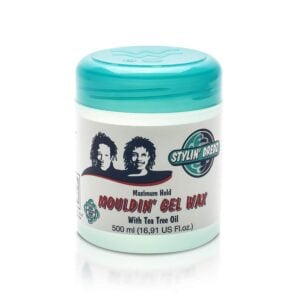
Best for: A firmer retwist when you want strong hold without an overly wet finish.
The main tradeoff with stronger gels is often buildup, so application matters just as much as the formula.
Use a light layer on clean, damp roots and avoid repeatedly coating the length of mature locs unless the product instructions call for it.
Stylin’ Dredz Mouldin’ Gel Wax is designed to provide firm hold for starting and maintaining locs.
Its wax-gel texture may appeal to people who want more grip than a lightweight styling gel, but it is still worth checking for residue on your own hair before applying it heavily.
The formula includes tea tree oil and glycerine, ingredients commonly used in hair products for their refreshing feel and humectant properties.
If your scalp is sensitive to essential oils or fragrance, apply a small amount first and pay attention to how your skin responds.
For locs that feel dry, remember that a styling gel is not a substitute for a complete moisture routine. Use it for control, then keep your regular cleansing and conditioning habits consistent.
Overall, this pick makes the most sense for someone who values hold and control and is willing to use the product sparingly to minimise buildup.
The brand also offers other products specifically marketed for loc care if you prefer to keep your routine within one line.
2. Lion Locs Hair Locking Moisturiser
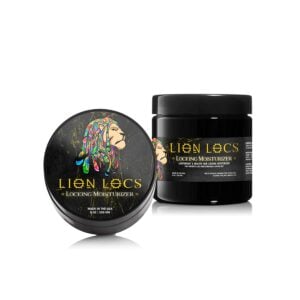
Best for: Locs that need light-to-medium hold with a softer, moisturised feel.
Lion Locs Hair Locking Moisturiser is positioned between a moisturiser and a styling product, which makes it different from the firmer waxes on this list.
That softer texture can be useful if you dislike the stiff feel that some strong-hold gels leave behind.
It may be especially appealing for retwists, flyaway control, and refreshing dry-feeling locs, although very resistant roots may need a firmer product.
The formula contains jojoba oil, argan oil, and aloe vera leaf juice, which can help hair feel conditioned and reduce the dry, coated feel some gels create.
Because richer formulas can behave differently on different locs, start with a small amount and make sure the product rinses cleanly from your hair.
This is a practical choice if your priority is flexibility and moisture feel rather than maximum hold.
The brand describes the formula as vegan and made with naturally derived ingredients; check the current product label if those details are important to you.
As with any gel, the real test is whether it gives you enough control without leaving residue after repeated use.
If you dislike a traditional crunchy gel texture, the creamy consistency may be one of this product’s biggest advantages.
Use a small amount on clean, damp roots and add more only where you need extra control.
3. Lockology Aloe & Tea Tree Gel
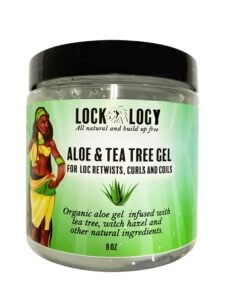
Best for: People who prefer a lighter aloe-based gel and want to avoid a heavy wax feel.
Lockology Aloe & Tea Tree Gel is designed for loc maintenance with an emphasis on hold that does not feel overly stiff.
That can make it a useful option if your main concerns are buildup, residue, or a sticky finish.
Still, no locking gel is completely buildup-proof. How much you use and how thoroughly you cleanse your locs matter just as much as the product itself.
The formula includes aloe vera, lemongrass, and tea tree, which may give the product a fresh feel on the scalp.
If you are sensitive to fragrance or essential oils, patch test first rather than assuming a botanical formula will automatically be gentle.
Aloe vera and conditioning ingredients can help hair feel softer, but they should not be treated as a medical treatment for scalp irritation or inflammation.
For easier distribution, use this gel on clean, slightly damp hair and work one section at a time.
This approach helps you get the control you need without saturating the locs in product.
The brand markets the formula around naturally derived ingredients and a lightweight finish.
It is also described as paraben-, sulfate-, and gluten-free, with vitamin B5 included as a conditioning ingredient.
4. Blax Black Wax
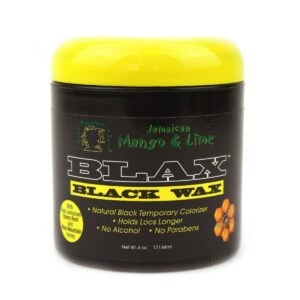
Best for: People who want a thicker wax-gel texture and stronger control at the roots.
Blax Black Wax is considerably richer than a water-based locking gel, so a small amount is the safest place to start.
The formula uses petrolatum, which gives it a dense, occlusive texture and helps explain the product’s stronger grip.
It is also tinted, which may help the product blend more naturally into darker hair and can make grey roots appear less noticeable while styled.
The richer texture may suit very dry-feeling hair, but it can also be harder to wash out than a lightweight gel.
If buildup is already a concern, use this mainly at the roots rather than repeatedly coating the full length of mature locs.
The formula is marketed as alcohol- and paraben-free, but that does not mean it will suit every scalp or hair type.
One practical downside is that the tint may transfer onto fabric, especially if too much product is used or the hair has not fully dried.
A bonnet or scarf can help protect bedding, but you may still want to use dark or easily washable fabric until you know how the product behaves on your hair.
5. Jamaican Mango & Lime Locking Gel
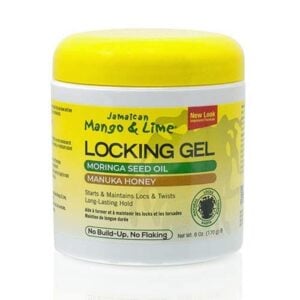
Best for: A softer-feeling retwist if you prefer a gel with honey and plant oils.
This formula features manuka honey and moringa seed oil, ingredients commonly used in conditioning hair products.
Those ingredients may help the hair feel less dry, but the gel should not be relied on to treat an irritated or medically sensitive scalp.
A useful locking gel should provide enough control to neaten the roots without making the locs feel unnecessarily stiff.
That balance is the main appeal of this option.
It is designed to provide hold while keeping the hair flexible, which may suit people who dislike a hard cast.
As with any styling gel, residue can still happen if you use too much or keep layering product between washes.
For frizz and flyaways, concentrate the product at the new growth and root area rather than coating the entire loc.
Smoothing the roots with a small amount of gel can help create a neater finish while keeping product use under control.
If your locs are already dry or breaking, be especially gentle during the retwist and avoid using extra product or tension to force a sleeker result.
Conditioning ingredients can improve how the hair feels, but they cannot reverse structural damage.
For that reason, think of the manuka honey and moringa seed oil as conditioning support rather than a guarantee against breakage.
6. Rastta Locs Locking Gel
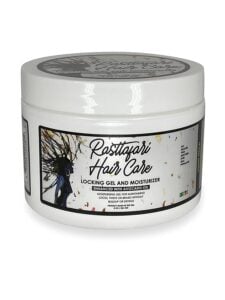
Best for: Someone looking for a conditioning-focused locking gel with several oils and butters.
Rastta Locs combines styling hold with ingredients commonly used to soften and condition textured hair.
The formula includes avocado oil, aloe vera, argan oil, wheat protein, and shea butter, which can help the hair feel smoother and better conditioned.
That mix may be useful if you find many locking gels leave your roots feeling dry after they set.
The formula also contains biotin, but topical biotin in a styling gel should not be expected to stimulate new hair growth.
If you are experiencing noticeable thinning or a change in hair growth, a styling product is unlikely to address the underlying cause.
For everyday use, judge this gel by the practical factors that matter most: hold, comfort, washability, and residue.
The brand also formulates this product without several commonly avoided ingredients, which may be useful if you have specific product preferences.
It is described as paraben-, sulfate-, silicone-, PEG-, phthalate-, and beeswax-free.
Leaving out beeswax may appeal to people who have struggled with waxy buildup in mature locs.
Beeswax can be difficult to remove once heavily layered, so if buildup is a recurring issue, a lighter gel may be easier to maintain over time.
7. African Pride Black Castor Gel
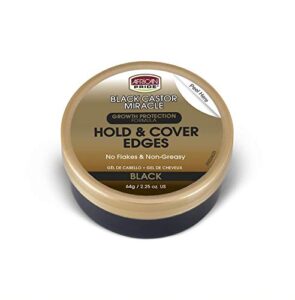
Best for: Darker hair when you want hold plus a tinted finish.
African Pride Black Castor Gel combines styling hold with a darker tint, which can make the root area look more uniform while the style is fresh.
The formula includes black castor oil and coconut water to support a conditioned feel, but it should not be described as a treatment for thinning or new hair growth.
The tint and hold may be useful for creating a neater-looking retwist, especially if visible new growth is your main concern.
Black castor oil is commonly used in textured-hair routines because it is rich and occlusive, while coconut water contributes to the formula’s lightweight moisture feel.
Because tinted styling products can sometimes transfer, let the hair dry fully and protect light-coloured fabric until you know how it wears.
This is best viewed as a styling and cosmetic product, not a hair-loss treatment.
The product is marketed as paraben-, sulfate-, and mineral-oil-free.
If those exclusions matter to you, check the current ingredient label because formulas can change over time.
8. Cantu Moisturising Twist & Lock Gel
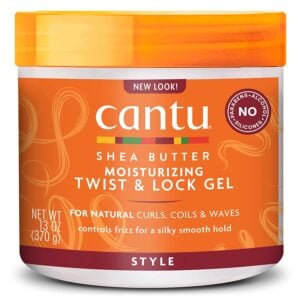
Best for: A widely available option if you prefer a soft, moisturised finish over a very firm hold.
Cantu’s Moisturising Twist & Lock Gel is designed for twists and locs and has a richer feel than many clear styling gels.
It is often positioned as a budget-friendly option, although prices can change by retailer and over time.
The formula is built around a moisturising feel rather than an ultra-hard cast.
That can make it more comfortable for hair that tends to feel dry, though the final result will still depend on your texture and how much product you apply.
If your roots are very resistant to retwisting, you may find that a firmer gel gives more control. For softer hold, this Cantu option is easier to consider.
The formula includes shea butter, an emollient commonly used to soften and condition textured hair.
That richer base can help locs feel more manageable, but use a light hand if your hair is prone to buildup.
The ingredient list is worth checking if you have specific sensitivities or prefer to avoid certain formula types.
The product is marketed as being made without parabens, sulfates, or phthalates.
It also contains ingredients such as argan oil, coconut oil, avocado oil, mango seed butter, and carrot seed oil, which contribute to its conditioning feel.
9. Joie Naturals MyGel
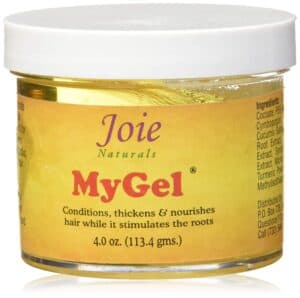
Best for: A natural-looking finish when you do not want the roots to look overly slick or stiff.
Joie Naturals MyGel is positioned as a lighter styling option for locs and textured hair.
Its main appeal is the combination of hold, sheen, and a softer finish.
It should not be expected to stimulate hair growth, even if the formula contains botanical ingredients.
The gel's sheen and conditioning properties can make locs appear smoother and more polished.
This may suit people who prefer a less sculpted, more natural finish instead of very slick roots.
The formula includes lemongrass, cucumber, and chamomile oils, which may give the product a fresh, lightweight feel.
If your scalp is sensitive, keep in mind that botanical extracts and essential oils can still cause irritation for some people.
A small amount may be enough for each section, so begin sparingly rather than saturating the hair.
Warm a small amount between your fingertips, then distribute it through the root area you are retwisting.
Concentrate on the sections that need control rather than applying extra product to areas simply because the hair looks thinner.
10. Tropical Roots Firm Locking Gel
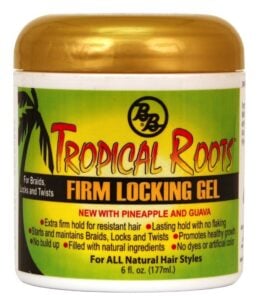
Best for: A lightweight, firm-hold gel when you want less of a waxy feel.
Tropical Roots Firm Locking Gel has a wetter, more traditional gel texture, so it spreads easily through the root area.
Because it spreads quickly, start with a small amount and add more only if the section needs it.
The lighter texture is a good fit for people who want a movable finish rather than the dense feel of a wax-based product.
It is marketed for starting and retwisting locs and is designed to provide a firm hold with limited residue when used sparingly.
If you overapply it, you may still notice flaking or buildup, so build the product slowly as you work.
The brand describes the formula as free from artificial dyes and colours. Regardless of the ingredient claims, the most important step for loc maintenance is still using an amount you can wash out thoroughly.
11. All Day Locks Braid Gel
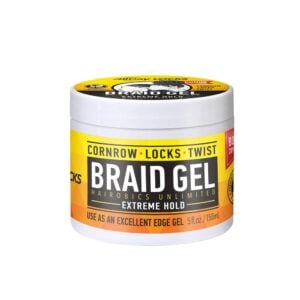
Best for: A firm, polished finish when flyaways are difficult to keep in place.
All Day Locks Braid Gel has a clear, tacky gel texture designed to grip the hair during braiding, twisting, and loc maintenance.
That stronger grip can be useful for a fresh retwist, particularly around the root area where new growth is less compact.
Apply it sparingly so the hair stays flexible instead of becoming overly coated.
If you dislike crunchiness, test a small section first and adjust the amount based on how your hair feels once dry.
For best results, use the gel during the locking or retwisting process, then smooth only a small amount around the outside of the loc where extra flyaway control is needed.
Do not assume that more product means more hold. Using too much can make any gel harder to dry and easier to build up at the roots.
If you notice stickiness or white residue after drying, scale back the amount at your next retwist and clarify your locs as appropriate for your routine.
Frequently Asked Questions
Can Locking Gel Cause Buildup In Dreads?
Yes. Even a gel marketed as low-residue can build up if you use too much, apply it repeatedly between washes, or cannot rinse it out thoroughly. Using small amounts at the roots and keeping a consistent cleansing routine can make buildup easier to manage.
Do You Need Gel To Retwist Locs?
No. Some people retwist with gel for extra control, while others use water, a light leave-in product, or no styling product at all. Gel is most useful when you want neater roots and temporary hold, not because locs require it to stay locked.
Should Locking Gel Go On Wet Or Dry Hair?
Most locking gels spread more evenly on clean, slightly damp hair. Soaking-wet hair can dilute some formulas, while very dry hair may make a thick gel harder to distribute. Always follow the product directions if they specify a different method.
Related Articles
Best Nighttime Hair Wraps And How To Use Them
Side Effects Of Not Combing Hair