
What Is The Microblading Ghosting Phase? – And What To Expect
Microblading can create the look of fuller, more defined eyebrows with results that last much longer than brow makeup, but the healed result is not visible immediately.
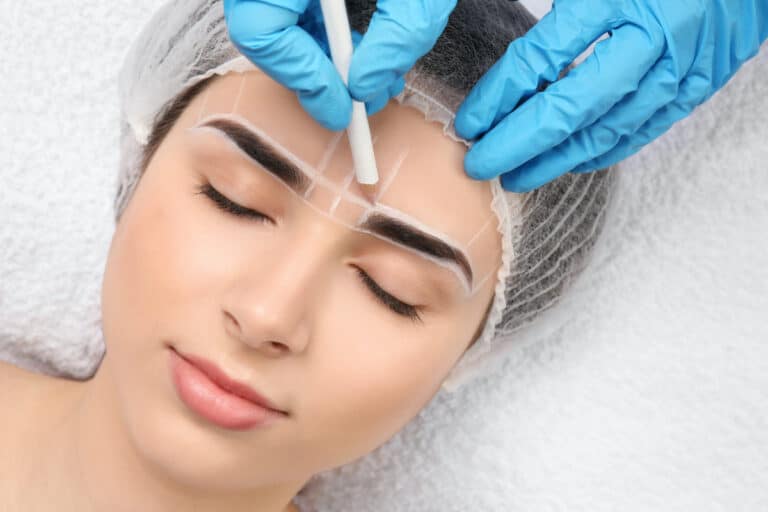
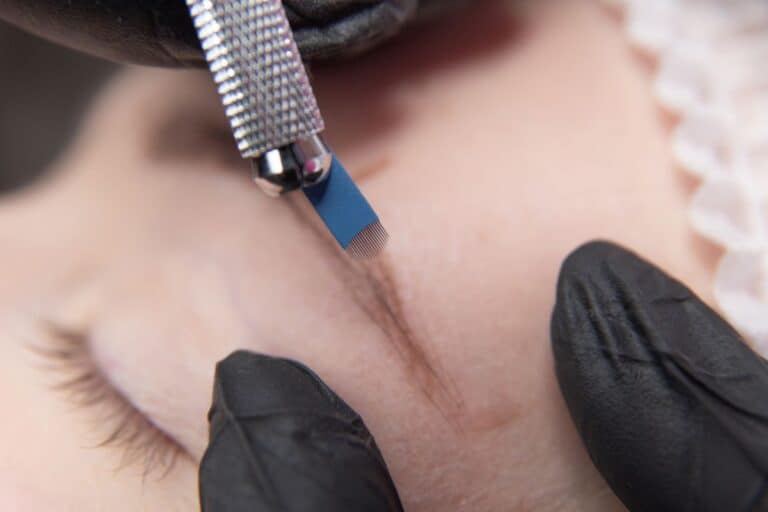
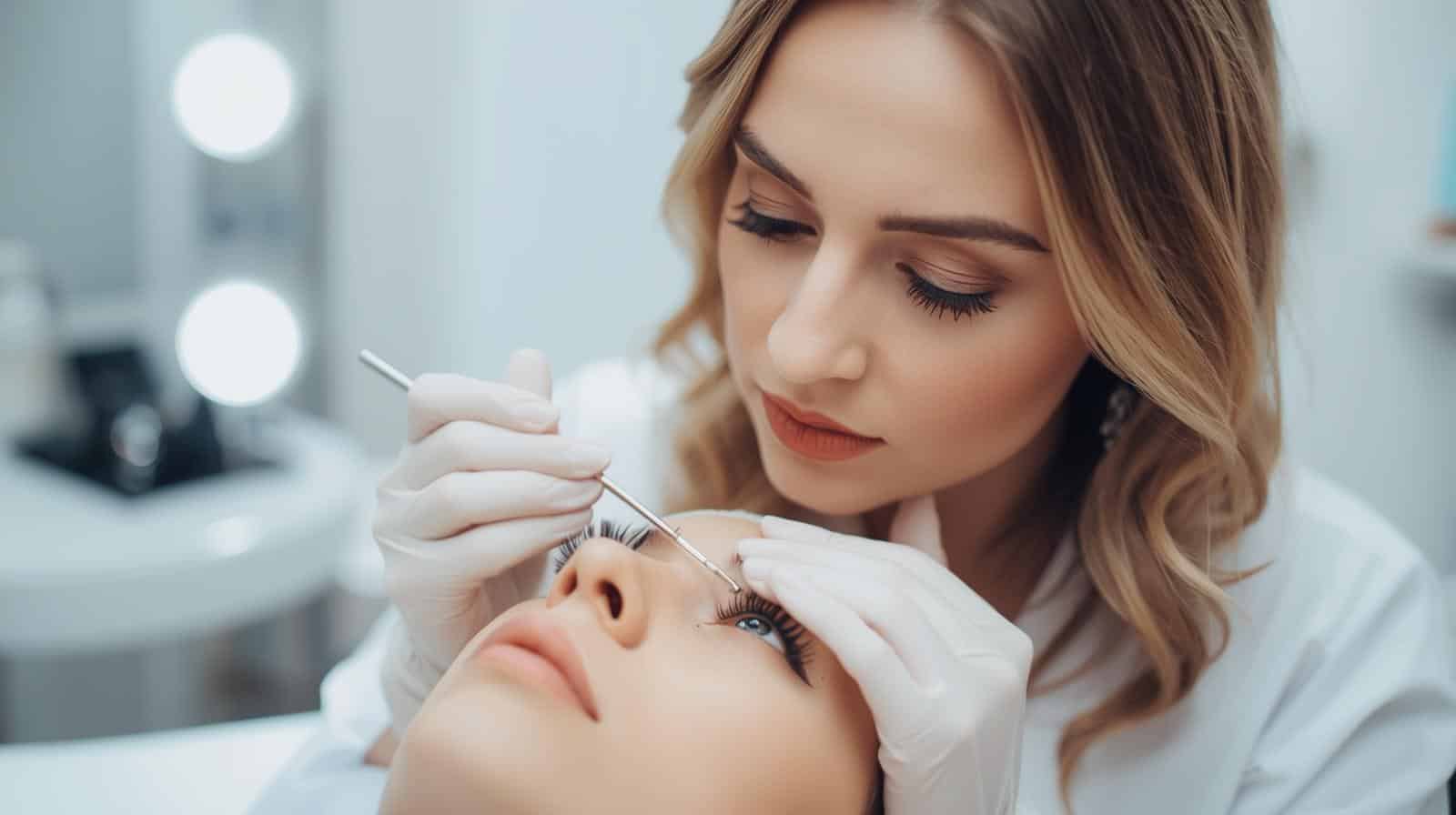
During the service, a technician uses a handheld microblading tool with a row of fine needles to place pigment in small, hair-like strokes near the surface of the skin.
The finished result is not immediate. Microblading has a healing period, and the colour, sharpness, and visibility of the strokes can change noticeably over the first few weeks.
That healing period can feel nerve-racking when the brows suddenly look darker, flaky, patchy, or much lighter than they did on appointment day.
Microblading is a form of cosmetic tattooing, so the skin needs time to recover after the procedure.
Because the tool creates many tiny openings in the skin, the treated area should be treated as healing skin and cared for according to the aftercare instructions provided by your artist.
It is also normal for the appearance of the pigment to change during recovery, so judging colour retention too early can be misleading.
What is the microblading ghosting phase?
The microblading “ghosting phase” is an informal term for the stage when freshly microbladed brows can look unusually pale, faint, or patchy as the skin heals. Flaking, a thin layer of fresh skin over the area, and normal pigment settling can temporarily make the strokes less visible.
In many cases, this faded-looking stage is temporary and the brows become easier to see as healing continues.
Still, it can be unsettling when brows that looked bold after the appointment seem to almost disappear.
Below, we cover when ghosting usually happens, what can be normal, what may affect pigment retention, and when to contact your artist or a medical professional.
Microblading Disappeared During Healing
Microblading is designed to give you long-lasting brow definition, but the darker, sharper colour seen immediately after the appointment is not the final healed result.
Before your appointment, it helps to understand that healing is part of the service and that the brows may look different from one day to the next.
Your artist should explain their specific aftercare protocol, including how to cleanse the area, what to avoid, and when they want to see you again.
The ghosting phase is commonly discussed by microblading artists, although it is not a formal medical stage of wound healing.

During this period, the brows may look lighter or less defined after flakes and small crusts begin to shed and a thin layer of fresh skin covers the treated area.
That temporary fading does not automatically mean the procedure failed. Wait until the skin has healed and the colour has settled before judging how much pigment was retained.
Microblading Recovery Process
The surface of the skin may look substantially better within 10 to 14 days, while the colour and overall appearance can continue settling for several more weeks.
Healing speed varies from person to person, so your timeline may not match someone else’s day-by-day photos.
Some people notice a dramatic pale or patchy stage, while others see only a subtle change in colour.
Knowing the general pattern can make the process less alarming, but your artist’s instructions should take priority over a generic timeline.
Typical changes can include initial darkness, mild redness or tenderness, flaking or light crusting, temporary fading, and gradual settling of the colour.
The final result is easier to assess once the skin is calm, the flakes are gone, and the pigment has had time to settle.
Intense Pigment
Immediately after microblading, the brows often look darker, sharper, and more saturated than expected.
That intensity can be surprising, especially if you chose a soft or natural-looking brow.
A darker appearance during the first few days is common and does not necessarily represent the healed shade.
As the skin heals and excess surface pigment is shed, the colour usually softens and looks less intense.
Scabbing/Crusting
Microblading creates small superficial openings in the skin, so mild flaking or light crusting can occur as the area heals.
This is different from cosmetic microneedling: microblading uses a fine blade-like row of needles to create individual pigment strokes.
During the first week or so, you may notice dryness, flakes, or small crusts forming over the brows.
As those flakes release naturally, some excess surface pigment can come away with them, which may make the brows look suddenly lighter.
The key is to keep the area clean as directed and let flakes or crusts fall away on their own rather than picking or scratching them.
Ghosting
The so-called ghosting phase often becomes noticeable after the initial flaking or crusting begins to settle.
At this point, the brows can look much softer, patchier, or less pigmented than they did immediately after treatment.
Freshly healed skin over the area, combined with pigment settling in the treated skin, can make individual strokes harder to see for a while.
This appearance is often temporary, but not every faint area will necessarily regain the same intensity. Some sections may heal lighter and need assessment later.
Pigment Resurfaces
How much pigment remains after healing depends on several factors, including technique, skin characteristics, aftercare, pigment choice, and normal individual healing.
That is why reputable artists generally assess the brows after the initial healing period rather than judging the result during the flaky stage.
As healing continues, the brows may look more visible and even again, although the final healed colour is usually softer than it appeared on day one.
For many people, this change becomes noticeable over the following days and weeks rather than happening all at once.
A follow-up appointment is a better time to evaluate retention, symmetry, colour balance, and any areas that may need a touch-up.
When Does The Ghosting Phase Begin?
There is no exact start date for everyone, but ghosting is most often noticed after the initial dark stage, around the time flaking begins to finish.
As dry skin and small crusts shed naturally, the fresh skin underneath can make the brow strokes look muted.
Not everyone experiences obvious ghosting, and the timing can vary with skin type, technique, and aftercare.
For some people it is obvious; for others, the brows simply soften gradually.
If your brows suddenly look faded, hazy, or patchy during the first couple of weeks, that can fit the normal healing pattern.
A noticeable fading stage often occurs around the end of the first week into the second week, although technique, skin characteristics, and aftercare can shift the timing.
What Does Microblading Ghosting Look Like?
During ghosting, the brows can appear much lighter than expected, with some hair-like strokes seeming difficult to see.
That can be worrying if you expected the bold post-appointment colour to stay unchanged.
Give the skin time to heal before deciding that the pigment is gone. Some colour may become easier to see as the fresh skin settles.
You might also see remaining flakes, mild dryness, or a slightly shiny layer of new skin over the treated area.
The effect can range from barely noticeable to quite dramatic, and uneven fading during healing does not automatically mean the final result will be uneven.
How Long Does The Ghosting Phase Last?
Flaking or light crusting often occurs during the first week or two as the skin recovers.
Avoid picking, peeling, or scratching the area, since removing crusts early can irritate the skin and contribute to uneven pigment retention.
The faded-looking stage may last several days or longer before the brows begin to look more settled.
The exact timing depends on how quickly your skin heals and how much flaking you experience.
Rather than focusing on a single day, look for gradual improvement over the next few weeks and follow the review timeline given by your artist.
How To Care For Your Eyebrows During The Ghosting Phase
Aftercare matters because the skin is healing and the pigment is still settling.
Good aftercare cannot guarantee perfect pigment retention, but it can help reduce irritation, contamination, and preventable disruption of healing skin.
During the ghosting phase, keep your routine simple and follow the instructions provided for your specific technique.
Stay Patient
It is tempting to judge the brows day by day, but patience is important. The colour can continue changing for several weeks, even after most visible flaking has stopped.
If flakes or small crusts remain, let them detach naturally even if they look uneven.
Picking at healing skin can cause irritation and may remove pigment before the area is ready.
That can leave sections looking patchier once the brows have healed.
Clean Your Eyebrows Daily
How and when you should wet freshly microbladed brows can vary by artist and technique, so follow the cleansing instructions you were given rather than improvising.
Use clean hands and be gentle. Your artist should tell you when to cleanse, what product to use, and whether a healing balm is appropriate.
The goal is to keep the area clean without scrubbing, soaking, picking, or repeatedly touching the healing skin.

Gentle cleansing can help remove normal surface fluid and debris, while aggressive washing can irritate the area.
If your aftercare instructions are unclear or conflict with what you were told at the appointment, contact your artist for clarification.
Keep The Eyebrow Area Dry
Outside of the cleansing routine recommended by your artist, avoid soaking or repeatedly exposing the healing brows to water.
Swimming, steam, heavy sweating, and prolonged moisture can irritate healing skin and may affect pigment retention or comfort.
The length of time you need to limit moisture varies, so avoid assuming that everyone needs the same number of dry days.
Some artists advise stricter moisture precautions during the first few days after treatment, particularly around heavy sweating, swimming, steam, and direct shower spray.
Once the skin is healed, sensible sun protection can help reduce premature fading of cosmetic tattoo pigment over time.
Avoid Picking Scabs
Do not pick, peel, or pull at flakes or scabs as the brows heal.
Allow them to loosen and fall away naturally rather than trying to speed up the transition into the ghosting phase.
A few residual flakes during the faded stage are common.
Removing them early can irritate the skin and may disturb pigment in that area.
If a crust is still attached, leave it alone rather than trying to reveal the colour underneath.
Once healing is complete, the brows may look more even, but areas with poor retention can still need a touch-up.
That is one reason artists usually wait until the skin has healed before deciding where more pigment is needed.
Other Aftercare Advice
Your microblading artist should give you specific written aftercare instructions, and those should be your main guide.
Avoid treating a general online timeline as a substitute for those instructions, since cleansing, ointment, and moisture protocols can differ by artist and technique.
In general, minimise friction, picking, soaking, heavy sweating, and unnecessary products on the treated area while it is healing.
The goal is not to force the ghosting phase to pass faster. It is to let the skin recover with as little irritation as possible.
If anything about your recovery seems unusual, contact your artist, and seek medical care for signs that could indicate infection or a significant reaction.
Don’t Apply Makeup Or Specific Skincare
Avoid putting makeup directly on freshly microbladed skin until your artist says the area has healed enough.
Applying and removing makeup can add friction, and used cosmetics or brushes can introduce contaminants to healing skin.
Keeping the area free of unnecessary products also makes it easier to notice changes such as increasing redness, swelling, or drainage.
Strong skincare ingredients such as retinoids and exfoliating acids are also generally kept away from the healing brow area until the skin has recovered and your artist says they can be resumed nearby.
After healing, products that increase exfoliation around the brows may contribute to faster fading over time, so ask your artist how close to the tattooed area they should be used.
Avoid Moisture
Avoid prolonged or unnecessary moisture exposure while your brows are healing.
For the first few days, take care with direct shower spray, heavy sweating, and anything that leaves the brows soaked.
As healing continues, follow your artist’s timeline for returning to your normal routine.
Swimming, strenuous workouts, saunas, steam rooms, and sleeping with the treated area pressed against a pillow may need to be limited until the skin has settled.
Heat and steam can increase moisture, flushing, and irritation around freshly treated skin.
If your artist gave you a different aftercare schedule, follow the instructions designed for your treatment.
Limit Sun Exposure
Protect healing brows from strong sun exposure.
UV exposure can contribute to pigment fading over time, while newly treated skin is also more sensitive during recovery.
During the early healing period, use physical protection such as shade or a hat if your artist has told you not to apply sunscreen or other products directly over the brows yet.
Once the skin has healed enough for sunscreen, regular sun protection can help support longer-lasting colour.
If the area becomes unusually painful, hot, increasingly swollen, or develops drainage after the procedure, treat that as a health concern rather than normal “ghosting.”
After the skin has healed, use a broad-spectrum sunscreen around the brow area as appropriate for your skin and your artist’s instructions.
Reasons Why Pigment May Not Resurface
One of the biggest concerns during ghosting is: Will the pigment come back?
Often, brows that look very faint during the first couple of weeks become more visible as healing progresses, but the amount and evenness of pigment retention vary from person to person.
If the brows remain much lighter than expected after the full healing period, the issue may be limited pigment retention rather than temporary ghosting.
Your artist can assess whether the result is within the expected range and whether a touch-up is appropriate.
Picking Scabs
Picking or peeling healing skin can interfere with the final result.
Flakes and crusts should be allowed to release naturally.
Prematurely removing them can irritate the skin and may reduce pigment retention in that spot.
That is why one picked area can sometimes heal lighter than the surrounding brow.
Rather than trying to remove a stubborn flake, leave it attached until it comes away on its own.
If a patch remains lighter after the brows are fully healed, your artist can evaluate it at the follow-up.
Improper Microblading Technique
Technique also affects healing and pigment retention.
Choose a practitioner with appropriate training who follows the licensing, sanitation, and infection-control requirements in your area.
Poor technique can increase the risk of uneven strokes, excessive skin trauma, scarring, infection, and inconsistent pigment retention.
Before booking, look at healed work rather than only fresh photos, and ask how the artist sterilises or disposes of tools and handles aftercare.
Infection
Because microblading breaks the skin, infection is a possible complication, although mild redness, tenderness, and flaking can also occur during uncomplicated healing.
Single-use or properly sterilised equipment and good hygiene practices are important for reducing infection risk.
An allergic or irritant reaction to pigment or aftercare products is different from an infection, but it can also require professional assessment.
Aftercare matters too, since repeated touching, picking, or introducing contaminated products can irritate healing skin.
Seek medical advice if you develop increasing pain, spreading redness, significant swelling, warmth, pus or drainage, fever, or a rash.
Those symptoms should not be dismissed as a normal ghosting phase.
Skin Type & Tone
Your skin type can influence how microblading heals and how much pigment is retained.
Skin tone itself does not mean the procedure will heal poorly. An experienced artist should select pigment and technique with your complexion, undertone, and desired healed result in mind.
Oilier skin may sometimes heal with softer-looking strokes or faster fading, which is one reason some artists recommend alternative cosmetic-tattoo techniques for certain clients.
A consultation is useful for setting realistic expectations about colour, stroke definition, longevity, and touch-ups.
Improper Aftercare
Aftercare can influence how comfortably the area heals and how evenly the pigment settles, but it is only one factor in the final result.
Skin type, technique, pigment, lifestyle, and individual healing all play a role.
Follow your artist’s instructions and avoid changing the routine simply because another person’s healing schedule looked different.
Common precautions include limiting friction, picking, soaking, heavy sweating, and irritating skincare while the area heals.
The surface may look substantially healed within a couple of weeks, while the final colour and stroke definition can continue settling for several more weeks.
When To Contact Your Microblading Artist
If the brows stay unusually faint, remain very patchy after the expected healing period, or you are simply unsure whether what you see is normal, contact your microblading artist.
They can review your healing and tell you when it is appropriate to assess retention or plan a touch-up.
Fading can be influenced by technique, skin characteristics, aftercare, sun exposure, skincare habits, pigment choice, and individual healing.
If you notice increasing pain, warmth, spreading redness, significant swelling, pus or drainage, fever, or a rash, contact a medical professional promptly rather than relying only on your artist.
When To Schedule A Touch-Up Appointment
If the brows remain patchy or noticeably lighter after the skin has fully healed, a touch-up may be appropriate.
Touch-ups are commonly used to refine shape, add pigment to areas that healed lightly, or adjust colour after the first session.
Do not rush into another procedure while the skin is still healing. Many artists schedule the first follow-up or touch-up around 6 to 8 weeks after the initial appointment, although your artist should decide when the skin is ready.
Ask your artist when your skin is ready before booking another microblading session.
Microblading results often last many months to a few years, with longevity varying according to skin, technique, lifestyle, pigment, and maintenance.
Final Thoughts
The microblading ghosting phase is a common informal name for the temporary faded-looking stage some people notice while their brows are healing.
It often appears after the initial dark period, around the time flaking or crusting begins to finish.
The brows may become more visible again over the following days and weeks, but the amount and evenness of pigment retained can vary.
Give the skin time to heal before deciding whether the colour has truly disappeared or whether a touch-up is needed.
If pigment still looks very light after healing, your artist can assess retention and explain the next step.
For unusual pain, increasing redness or swelling, warmth, drainage, fever, or a significant rash, contact a medical professional promptly.
Related Articles
How To Coordinate Botox And Microblading
Microblading Scars – What To Know
I Drank Coffee Before Microblading – Should You Worry?