
How To Lighten Permanent Makeup
Permanent makeup can simplify a beauty routine by adding long-lasting definition to brows, lips, or eyeliner, but it is still a tattooing procedure and the result cannot be wiped away like ordinary cosmetics.
For example, people with sparse brows may use permanent makeup to create a fuller-looking shape.
Others choose it because they want more definition around the eyes or lips without applying the same makeup every day.
This service places pigment into the skin to create the appearance of brow hairs, eyeliner, lip colour, or other cosmetic definition.
For many people, the appeal is having a more consistent look with less time spent filling in brows, lining the eyes, or adding lip colour each day.
While permanent makeup can be convenient, healed results may look darker, lighter, warmer, cooler, or less symmetrical than expected, especially during the early healing stages.
Permanent makeup is a service you need to think about carefully, just like getting a regular tattoo. How do you make sure permanent makeup is right for you?
Research the artist carefully. Look for a practitioner with specific training in permanent makeup, a strong healed-results portfolio, appropriate hygiene practices, and clear aftercare instructions.
An experienced professional can explain what is realistic for your features, how the pigment may heal, whether touch-ups are likely, and how the colour could change over time.
What if you aren’t happy with the results of your permanent makeup service?
Can you lighten permanent makeup?
Yes, permanent makeup can sometimes be lightened, but the safest approach depends on the pigment, its depth, the treatment area, and how recently it was done. The main options are allowing it to fade naturally or having a qualified professional assess whether saline removal, laser treatment, or another correction method is appropriate. Do not try to force fading with sun exposure, harsh acids, peroxide, or tattoo-removal creams at home.
Read on for what each option involves, what to avoid at home, and why freshly treated permanent makeup should be allowed to heal before you judge the final colour.
Methods To Lighten Permanent Makeup
Once permanent makeup has been placed in the skin, changing it is more complicated than removing ordinary cosmetics. Aggressive fading attempts can irritate or injure the skin, increase the risk of scarring or discoloration, and change the pigment in unpredictable ways.
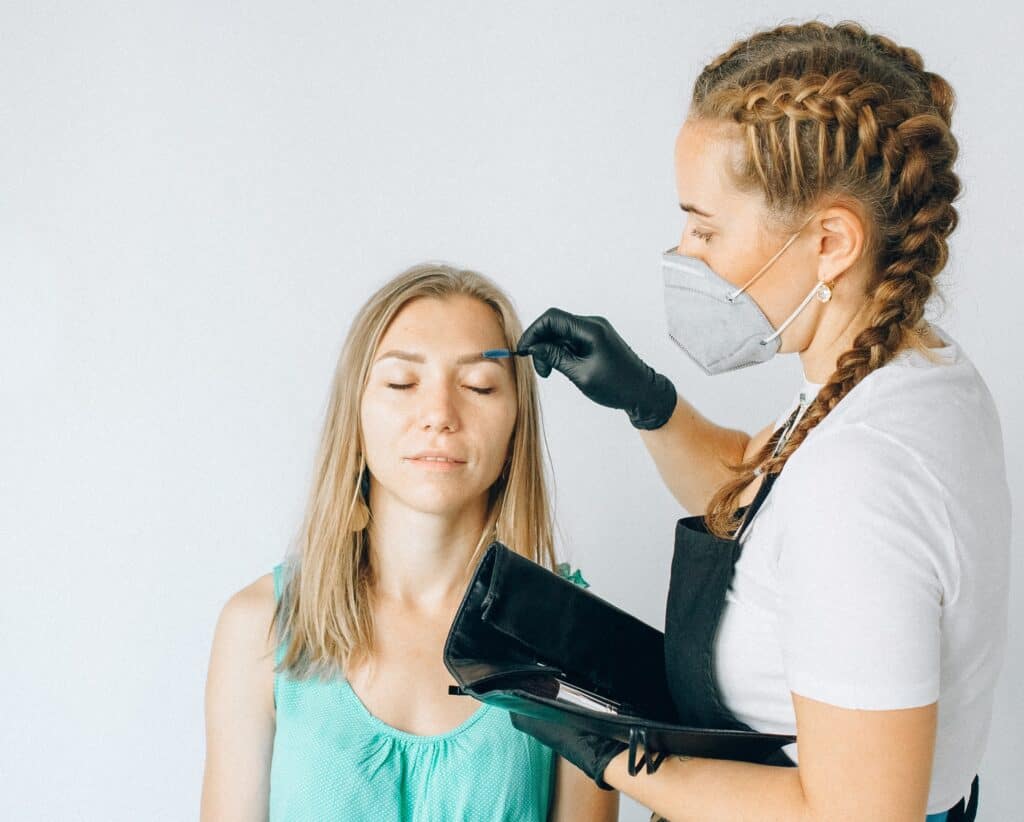
Before trying to lighten permanent makeup, speak with the original artist or a qualified removal professional. If you have significant swelling, increasing pain, drainage, blistering, spreading redness, or another concerning skin reaction, contact a medical professional.
Do Not Use Sun Exposure As A Removal Method
UV exposure can contribute to pigment fading over time, but deliberately exposing permanent makeup to the sun is not a safe or controlled removal method.
Sun exposure can also fade pigment unevenly while increasing the risk of sunburn, premature skin ageing, and unwanted discoloration.
Protect the area with sunscreen once it has healed and follow your artist’s aftercare instructions while it is fresh.
If your goal is removal or correction, choose a method that can be assessed and performed deliberately rather than relying on UV damage to fade the pigment.
Saline Solution
Professional saline removal is one option for some types of permanent makeup and should only be performed by a trained practitioner with experience in cosmetic tattoo removal.
In this type of procedure, a removal solution is worked into the treated area with a tattoo-style device. The goal is to encourage some pigment to move toward the surface as the area heals, rather than to erase the tattoo immediately.
According to All Eyebrows, saline removal is intended to help lift some pigment toward the surface of the skin during healing.
More than one session may be needed, and each session requires healing time. Picking, peeling, or trying to remove scabs early can increase the risk of scarring and uneven results.
This permanent makeup removal overview likewise describes saline-style methods as a professional process that relies on the skin’s healing response rather than an instant at-home fix.
Results vary, so a practitioner should assess the pigment colour, depth, age, location, skin condition, and previous correction work before recommending this method.
Laser Removal
As with conventional tattoos, laser removal may be an option for some permanent makeup. Laser energy is used to target pigment so the body can gradually clear the fragmented particles over time.
Because cosmetic pigments can contain different colourants and additives, laser treatment needs to be selected carefully. Certain shades may respond unpredictably, shift colour, or temporarily darken after specific laser wavelengths.
The results vary with the pigment colour and composition, its depth, the treatment area, and the laser wavelength used.
For permanent eyeliner or pigment close to the eyes, specialist experience and proper eye protection are especially important because this is a higher-risk treatment area.
Chemical Exfoliation And Skincare
Chemical exfoliation affects the skin’s surface, but it is not a reliable DIY method for removing pigment placed deeper in the skin. Strong peels can cause burns, discoloration, or scarring and should be used only when appropriate and performed by a qualified professional.
Peels increase exfoliation at the surface, which is different from directly removing tattoo pigment.
Do not start using retinoids, AHAs, or BHAs on freshly tattooed or actively healing permanent makeup in an attempt to make it fade faster. Follow your artist’s aftercare instructions and keep irritating actives away from the area until the skin has fully healed.
Even after healing, aggressively layering exfoliating acids and retinoids can irritate the skin without reliably removing tattoo pigment. If fading is the goal, discuss a proper removal method instead of escalating your skincare actives.
Facials, superficial peels, and microdermabrasion mainly work on the upper layers of the skin and should not be presented as guaranteed permanent makeup removal methods.
How often any resurfacing treatment can be repeated depends on the procedure, your skin, and professional guidance.
Talk to a practitioner who specifically has experience with permanent makeup correction or removal before choosing a treatment plan.
Wait
Permanent makeup usually fades gradually over time, although the speed and colour shift vary with the pigment, skin type, sun exposure, technique, aftercare, and treatment area.
If the only issue is that freshly treated pigment looks too dark, waiting through the full healing period is often the most sensible first step. Fresh permanent makeup can look darker or more intense before the surface settles and the final healed colour becomes clearer.
Avoid at-home methods such as chlorine exposure, tattoo-removal creams, hydrogen peroxide pastes, salt scrubs, or other harsh DIY mixtures. These approaches can irritate, burn, or injure the skin without providing predictable pigment removal.
If you are unhappy with the result, contact the artist or a qualified removal professional rather than starting a DIY fading process at home.
They can help you decide whether waiting, colour correction, saline removal, laser treatment, or another professional approach makes sense based on the pigment and treatment area.
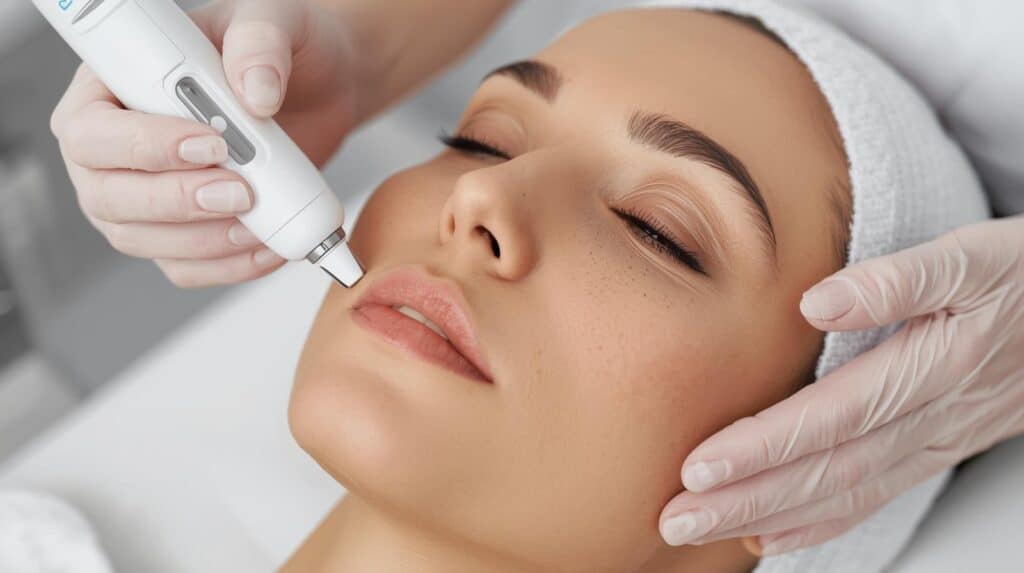
Do not deliberately over-soak fresh permanent makeup with hot water or steam to make it fade. During healing, follow the aftercare instructions you were given and avoid trying to manipulate scabs, pigment, or peeling skin.
Normal washing after the area has healed is fine, but taking extra showers is not a controlled or recommended removal strategy.
Takeaway
Permanent makeup is worth considering carefully before the procedure because the colour, shape, healing process, touch-up needs, and long-term fading can all vary.
There are professional ways to lighten or remove permanent makeup, but no method is instant, guaranteed, or completely risk-free.
The best approach depends on the pigment colour and composition, treatment area, depth, age of the tattoo, previous correction work, and whether the skin has fully healed.
If the permanent makeup is fresh, give it time to heal before deciding it is permanently too dark. For older pigment, natural fading may continue gradually without trying to speed it up with harsh skincare or intentional sun exposure.
If you want faster or more predictable results, contact a qualified permanent makeup removal practitioner or medical professional to determine whether lightening, correction, or removal is appropriate for your specific pigment and treatment area.
Choose someone experienced with the exact treatment area and removal method, ask about risks and expected healing, and avoid DIY techniques that rely on irritating or damaging the skin.
Related Articles
Is Coconut Oil Good For Curly Hair?