
5 Best Oils For Dermaplaning
Dermaplaning has become a popular way to remove peach fuzz and surface buildup for a smoother-looking finish.
At-home versions often look similar to facial shaving, but the goal is not to promise acne-free or flawless skin. It is simply a form of mechanical exfoliation and temporary hair removal.
Moving a blade across the face can remove fine hair and some of the outermost dead skin cells, which is why skin may feel smoother immediately afterward.
Professional dermaplaning and at-home facial shaving are related, but they are not exactly the same procedure. Professional dermaplaning is performed with specialised equipment and should not be copied at home with a surgical blade.
For home use, choose a facial razor or dermaplaning tool specifically designed for consumers and follow its directions carefully. These tools can remove peach fuzz without trying to reproduce the depth of a professional treatment.
Skin preparation matters because too much pressure, repeated passes, or using a blade over irritated skin can increase the chance of redness, nicks, and breakouts.
Some at-home tools are designed to glide over clean, dry skin, while others can be used with a small amount of facial oil for extra slip. If your tool allows oil, you may wonder:
What kind of face oils work best for dermaplaning?
The best oil for at-home dermaplaning is simple, lightweight, and comfortable on your skin. Look for a formula with enough slip for your tool without heavy fragrance or unnecessary active ingredients. Oil is optional, so if your device is intended for dry use, follow those instructions instead.
Choosing a simple oil can make an oil-compatible at-home tool feel more comfortable, but the oil cannot make dermaplaning risk-free.
Below, we compare five oils by texture, finish, and practical use so you can decide which one, if any, suits your skin and your dermaplaning tool.
Dermaplaning Oil Features
Light Consistency
For tools that can be used with oil, a thin, even layer is usually easier to work with than saturating the skin.
You generally want just enough product to reduce drag while still being able to see the direction of the hair and control the tool.
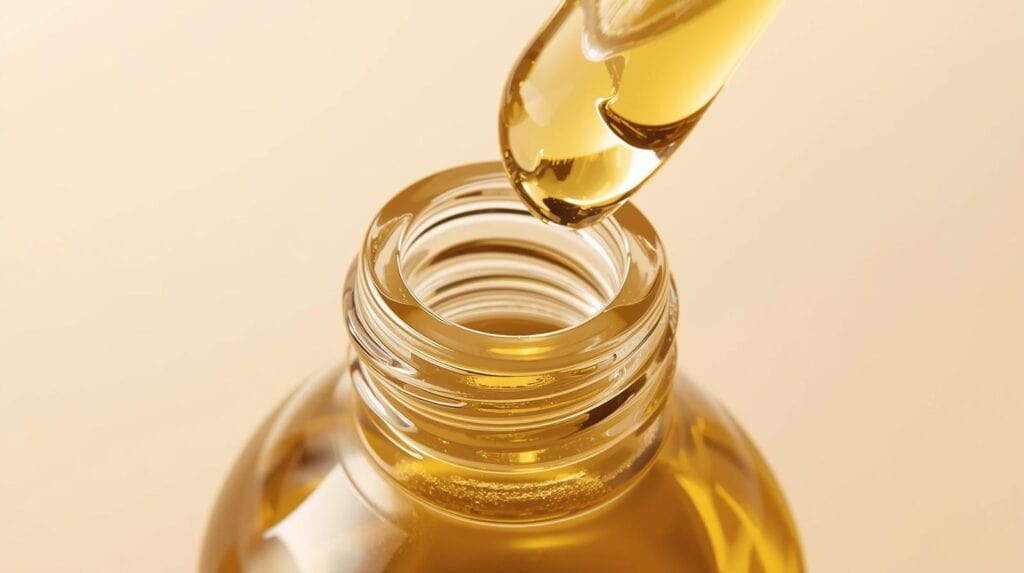
A very thick or overly generous layer can make some facial razors harder to control or leave residue on the blade.
Wipe or clean the tool exactly as the manufacturer directs, and replace disposable blades when recommended rather than trying to extend their use.
Nourishing Ingredients
Oil is not automatically better than dry dermaplaning. The right preparation depends on the specific tool and how your skin responds.
Any blade-based exfoliation can irritate the skin if you use too much pressure or make repeated passes over the same area.
Temporary redness, dryness, or sensitivity can occur, especially if your skin is already irritated or you combine dermaplaning with other exfoliating products.
Nicks, razor irritation, or bumps are also possible, which is why a clean tool, a light hand, and sensible aftercare matter.
If you choose to use oil, favour a simple formula your skin already tolerates instead of introducing several new botanical extracts at the same time.
Oil may improve glide for a compatible at-home razor, but it cannot prevent every nick, irritation, or breakout.
A fragrance-free or minimally formulated oil may be easier for reactive skin to tolerate, although any new product can still cause irritation or an allergic reaction.
Targeted Skincare
Dermaplaning day is usually not the best time to turn your oil into a strong treatment step.
If you have active acne, an eczema flare, open skin, an infection, or another active skin condition, it is safer to postpone dermaplaning and seek professional guidance when needed.
Facial oils are mainly useful as emollient or occlusive skin-care steps, and different oils feel very different on the skin.
They can help reduce the feeling of dryness by softening the skin, but they should not be treated as a substitute for evidence-based acne, pigmentation, or scar treatments.
Choose one that suits your skin and patch test it first. If you are acne-prone, remember that even a product marketed as non-comedogenic can still cause congestion for some people.
The Best Dermaplaning Oils
| Rank | Oil Type | Key Features |
|---|---|---|
| 1. | Apricot Oil | Evens complexion, good for mature skin, vitamins C/E |
| 2. | Argan Oil | UV protection, good for acne, improves wound healing |
| 3. | Jojoba Oil | Nourishing, leaves you glowy, soothing |
| 4. | Sweet Almond Oil | UV protection, keeps skin cells healthy, acne prevention |
| 5. | Meadowfoam Seed Oil | Moisture retention, anti-oxidant, helps with scarring |
1. Apricot Oil
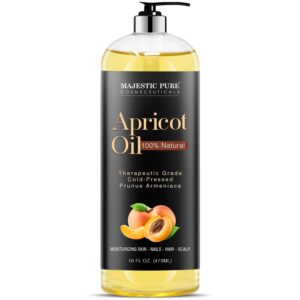
Apricot kernel oil is a lightweight-to-medium emollient that can provide useful slip for an at-home facial razor when the tool instructions allow oil.
Its relatively fluid texture can spread easily, so a small amount may be enough to create a thin layer.
The goal is not to soak the skin, but to create controlled glide without making the surface overly slick.
Like other plant oils, it mainly works at the surface to soften skin and hair rather than changing them from the inside out.
It may feel comfortable on dry skin, but it cannot guarantee protection from redness, razor irritation, or breakouts. Patch testing is especially sensible if you are blemish-prone or sensitive.
Afterward, rinse or cleanse only if your tool or product directions call for it, then use a simple moisturiser and daytime sun protection.
The product linked here is marketed as cold-pressed, which may appeal if you prefer minimally processed plant oils.
Cold pressing refers to an extraction approach that limits added heat, but it does not by itself prove that an oil will be safer or work better for dermaplaning.
Check the current ingredient list, storage instructions, and expiration guidance, particularly because plant oils can oxidise over time.
2. Argan Oil
Dermaplaning is a mechanical exfoliation procedure, and sensitive skin may be more likely to become temporarily red or irritated.
Gentle preparation and avoiding over-exfoliation can make the process more comfortable.
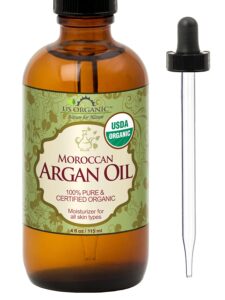
You may already have argan oil in your routine because it has a richer, emollient feel.
That richer texture may appeal to dry skin, although it can feel heavier than the other oils on this list.
Because it is relatively rich, start with a very small amount and add more only if your tool still moves smoothly.
More product is not necessarily better, since too much oil can reduce your control of the blade.
Argan oil contains lipids that can soften dry-feeling skin, but it should not be relied on as sunscreen, wound treatment, or an acne treatment.
Dermaplaning removes fine hair and superficial dead skin cells. It does not selectively remove a “damaged layer,” and the skin may simply feel more sensitive for a short period afterward.
Choose argan oil for its texture if you already tolerate it well, not because it is necessary for professional dermaplaning.
3. Jojoba Oil
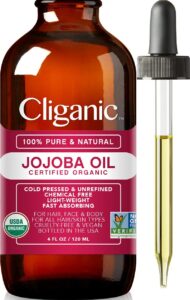
Jojoba oil is another popular multipurpose option with a comparatively light, silky feel.
It is commonly used in moisturising products and can give an at-home facial razor enough slip without feeling as heavy as some richer oils.
Jojoba is technically a liquid wax ester and mainly helps soften the skin at the surface. No single oil is ideal for every skin type, so individual tolerance still matters.
For dry or mature-feeling skin, its emollient texture may make the skin feel softer, but it should not be presented as a proven collagen treatment.
It may temporarily soften the appearance of dryness, but it will not erase deep wrinkles. If your skin is acne-prone, use only a small amount and watch for congestion.
Jojoba is often marketed as non-comedogenic, but that label cannot guarantee that every person will tolerate it without breakouts.
Patch testing is still worthwhile, especially if you are introducing the oil immediately before using a blade on your face.
If you have active eczema, dermatitis, or another inflamed skin condition, skip dermaplaning until the area has settled and follow medical guidance when needed.
Jojoba may feel soothing as an emollient for some people, but it should not be used to treat an active flare.
For dermaplaning, its main practical advantage is simply the light slip it can provide when your tool is designed for oil-assisted use.
4. Sweet Almond Oil
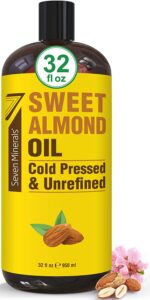
If you have a tree-nut allergy, ask an allergist or another qualified clinician before using sweet almond oil on your skin.
For people who tolerate it, sweet almond oil has a smooth, medium-weight feel that can work well with some at-home facial razors.
It contains fatty acids and naturally occurring compounds that contribute to its emollient feel.
The exact nutrient profile depends on how the oil is processed, so check the product information rather than assuming every almond oil is identical.
Its main role in this routine is to soften the skin and provide glide, not to rebuild the skin barrier instantly.
After mechanical exfoliation, a simple moisturiser and broad-spectrum sunscreen are more important than expecting the oil itself to provide complete protection.
Sweet almond oil is not a substitute for sunscreen, and claims that it meaningfully stimulates collagen or cell turnover should not be relied on for dermaplaning aftercare.
It also should not be expected to heal acne scars, hyperpigmentation, or age-related changes on its own.
Its richer texture may suit dry skin, but if your face is already irritated before dermaplaning, postpone the procedure rather than trying to calm the irritation with oil first.
5. Meadowfoam Seed Oil
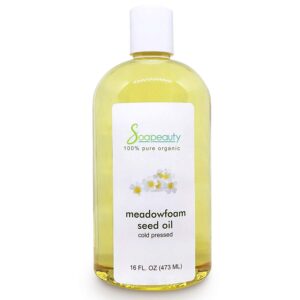
Meadowfoam seed oil is less familiar than jojoba or argan oil, but its smooth texture can make it useful for facial skin care.
It may be less common in local shops, so you are more likely to see it from specialty skin-care or carrier-oil brands.
For this use, the practical question is whether the formula is simple, fresh, and compatible with your skin and tool.
Meadowfoam seed oil is pressed from the seeds of Limnanthes alba and is valued in cosmetics for its emollient feel and oxidative stability.
It tends to feel smooth rather than especially greasy, which can be useful when you need a very thin layer of slip.
As an emollient, it can soften the skin and help reduce the feeling of dryness.
Its fatty-acid composition contributes to its texture and stability, but post-dermaplaning irritation is more closely related to the mechanical exfoliation itself and how the skin is treated afterward.
Do not use meadowfoam oil as a UV shield or scar treatment. Apply a labelled broad-spectrum sunscreen during the day once your skin comfortably tolerates products.
If the texture works for you, use only enough to reduce drag. Stop if the blade starts skipping, the skin becomes irritated, or the tool manufacturer recommends dry use.
How To Use Oil For At-Home Dermaplaning
First, check the instructions for your facial razor or dermaplaning tool. If the manufacturer recommends clean, dry skin, skip the oil. If the tool is designed for oil-assisted use, start with only a few drops spread into a thin layer.
Use a clean tool and clean hands, and work with light, controlled strokes. Avoid repeatedly passing over the same spot, and never dermaplane over active breakouts, cuts, sunburn, or irritated skin.
Afterward, keep your routine simple. A gentle cleanser if needed, a familiar moisturiser, and broad-spectrum sunscreen are usually more practical than immediately layering acids, retinoids, scrubs, or several new products.
If you develop persistent redness, swelling, increasing pain, pus, or another sign of infection, stop home treatment and contact a healthcare professional.
Related Questions
Do I need to oil my face before dermaplaning?
No. Oil is optional for at-home dermaplaning or facial shaving.
Some consumer facial razors are intended for clean, dry skin, while others can be used with a little oil or another slip product.
Because the face can be more reactive, follow the instructions for your specific device rather than applying a universal shaving rule.
Use only a clean facial tool designed for home use, keep it away from the eyelids and lips, and avoid passing over moles, raised lesions, open skin, or active breakouts.
Oil may reduce drag with a compatible tool, but it cannot prevent accidental cuts.
If your tool is designed for dry use, keep the skin clean and completely dry instead.
Dry use can also make it easier to see exactly where the blade is moving, depending on the design of the tool.
Whichever method you use, work slowly, use light strokes, and avoid repeatedly scraping the same patch of skin.
Stop if you develop significant pain or bleeding. Seek medical care for a deep cut, uncontrolled bleeding, or signs of infection.
We do not recommend oil for every dermaplaning tool. Use it only when the device instructions allow it and when your skin tolerates the formula.
When compatible with the tool, a small amount can add slip, but correct technique and appropriate skin condition matter more than the oil itself.
How else do I prep my skin before dermaplaning?
Before dermaplaning, focus on the condition of the skin rather than trying to change it quickly with extra water or last-minute treatments.
Arrive or begin with skin that is clean and free of irritation, and follow any preparation instructions supplied by your professional or at-home tool manufacturer.
Do not dermaplane over active acne, open cuts, sunburn, or infected or inflamed skin. A blade can aggravate active lesions and increase irritation.
If you have widespread breakouts or an active skin condition, postpone the session rather than trying to work around multiple irritated areas.
Be cautious with retinoids, benzoyl peroxide, AHAs, BHAs, scrubs, and other exfoliating treatments around dermaplaning because combining them can increase irritation. Follow your dermatologist, esthetician, or product instructions for how long to pause them.
Dermaplaning is already a form of exfoliation, so avoid stacking unnecessary exfoliants immediately before or after it. Keep aftercare simple with gentle cleansing, moisturiser, and sun protection while the skin settles.
Final Thoughts
For at-home dermaplaning tools that allow oil, the most useful choice is usually a simple oil with a texture your skin already tolerates. Jojoba, apricot kernel, argan, sweet almond, and meadowfoam seed oils can all provide slip, but none is required for every device or skin type.
Use the smallest amount that lets the tool move comfortably, patch test new products, and prioritise technique and skin condition over marketing claims. If your skin is actively irritated or breaking out, postponing dermaplaning is a better choice than trying to compensate with a richer oil.
Related Articles