
How Long Do Shampoo Bars Last?
Shampoo is a staple in many hair-care routines, whether you wash daily, a few times a week, or less often depending on your hair and scalp.
Shampoo is also a major beauty category, with consumers spending billions of dollars on it in the US alone, according to market sales data.
Prices vary widely, from budget bottles to salon formulas that cost considerably more.
One practical difference between liquid shampoo and a shampoo bar is water content.
Many liquid shampoos list water as the first ingredient, while solid bars are formulated with far less added water.
That does not automatically make one format better, but it does mean a bar can be more concentrated and compact than a comparable liquid formula.
Lately, shampoo bars have been rising in popularity within the haircare community.
It’s not surprising that a population increasingly interested in reducing waste would be drawn to a planet-friendly alternative to traditional shampoo.
Shampoo bars can reduce packaging, take up less space, and often last through many washes because they are concentrated. Their ingredients and environmental impact still vary by brand, so it is worth checking the formula and packaging rather than assuming every bar is automatically “natural” or zero-waste.
The trade-off is that some bars have a higher upfront price than basic bottled shampoo.
To compare value fairly, look at cost per wash, not just the sticker price. How long either format lasts depends on bar size, bottle size, hair length, wash frequency, and how much product you use each time.
So, how long do shampoo bars last?
A shampoo bar can last anywhere from several dozen washes to 80 or more, but there is no universal number. Bar size, hair length and density, how often you wash, how much you lather, and how well the bar dries between uses all make a big difference.
Below, we’ll look at realistic wash counts, cost per use, storage, performance, conditioner bars, and shelf life so you can decide whether a shampoo bar makes sense for your routine.
What Is A Shampoo Bar?
A shampoo bar, such as this one from Klorane, is a solid hair cleanser designed to replace liquid shampoo.
Some are “syndet” bars made with synthetic surfactants similar to those used in liquid shampoo, while others are soap-based. That distinction matters because a true soap bar can have a higher pH and may feel different on certain hair types or in hard water.
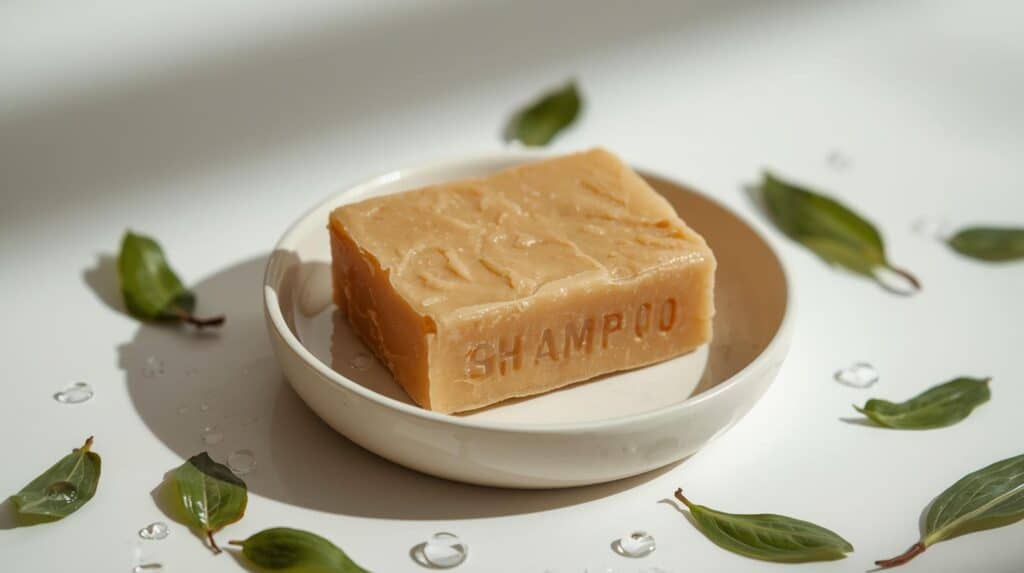
Solid hair-cleansing products are not new, but modern shampoo bars have become much more visible as people look for compact, lower-packaging beauty options.
Today’s bars also come in a wider range of formulas for dry, oily, colour-treated, curly, fine, and sensitive-scalp routines.
The appeal is easy to understand: bars are compact, travel-friendly, and can use less packaging than a conventional bottle.
Using a shampoo bar is simple, but technique can affect both cleansing and how long the bar lasts.
Wet your hair and the bar, then rub the bar between your hands to build a lather.
Transfer the lather to your scalp and massage with your fingertips. You can also glide some bars directly over very wet hair, but rubbing the bar repeatedly through long or curly lengths can encourage tangling.
Rinse thoroughly. A second cleanse is not automatically necessary, but it can be useful if your scalp is very oily, you have heavy styling-product buildup, or the brand specifically recommends it.
Here’s a visual tutorial from Sedona Christina showing one way to use and choose a shampoo bar.
How To Make A Shampoo Bar Last Longer
If you want to get the most washes from a shampoo bar, storage matters almost as much as the formula. A bar that stays damp can soften and disappear much faster than one that dries fully between uses.
- Use a draining dish or rack: Keep the bar out of standing water so air can circulate around it.
- Let it dry before travel: Packing a wet bar into a sealed tin traps moisture and can make it soft or mushy.
- Lather only what you need: A few passes between wet hands may be enough, especially for short or fine hair.
- Keep the bar away from the shower stream: Constant splashing dissolves product even when you are not using it.
- Cut a large bar if needed: Using one piece at a time can help keep the rest dry, provided the bar is firm enough to cut safely.
These habits will not guarantee a specific number of washes, but they can make a noticeable difference to how quickly the bar wears down.
Are Shampoo Bars More Cost-Effective Than Bottled Shampoo?
There is no fixed number of washes for bottled shampoo either. A small bottle used on long, dense hair may disappear quickly, while a larger bottle used sparingly can last for months.
The useful comparison is cost per wash: divide the purchase price by the number of washes you realistically get from the product.
This makes it easier to compare a $12 bar with a $6 bottle without assuming the more expensive item is automatically the worse value.
For example, if a $12 bar gives you 60 washes, that is about $0.20 per wash. If a $6 bottle gives you 30 washes, the cost is also about $0.20 per wash.
Your own numbers may be very different, which is why wash count matters more than broad claims about one format always being cheaper.
Some shampoo bars are more economical over time, especially if the bar is dense, lathers easily, and is stored correctly. Others cost about the same per wash as a liquid shampoo.
One of the easiest ways to stretch a bar is to avoid over-applying it. Build only enough lather to cleanse the scalp, then let the rinse water carry the cleanser through the lengths.
Most importantly, keep the bar dry between washes. A bar that sits in pooled water can soften and dissolve much faster.
Many bars also come in paper or cardboard packaging, although packaging varies by brand. A draining soap dish, rack, or breathable travel tin can help the bar last longer after opening.
Are Shampoo Bars Better For The Planet?
Shampoo bars can have environmental advantages, particularly when they use minimal packaging and replace repeated purchases of plastic bottles.
Still, a bar is not automatically the greener choice in every situation. Ingredients, manufacturing, shipping, packaging, and how completely you use the product all contribute to its overall footprint.
Liquid shampoos usually contain more water and are commonly packaged in plastic bottles. Concentrated bars are lighter and smaller, which can reduce packaging and shipping weight.
Many shampoo bars come in minimal packaging, but check the actual product rather than assuming this is universal.
Recycled paper or cardboard is common, and some brands offer reusable tins or package-free options.
Paper-based packaging can be easier to recycle or compost where local facilities accept it, while plastic disposal and recycling options vary by location.
Because solid bars contain less free water, some formulas may require a different preservative strategy from liquid shampoo.
Water-containing cosmetics need effective preservation to help control microbial growth during normal use. Preservatives are an important safety part of many cosmetic formulas, not something to avoid automatically.
If sustainability is a priority, compare the whole product: packaging, ingredient sourcing, concentration, shipping format, and whether the bar actually works well enough for you to finish it.
Do Shampoo Bars Work As Well As Liquid Shampoo?
If you’ve never used a shampoo bar before, you might be wondering if it will work on your hair as well as traditional shampoo.
The short answer is they can, provided the formula suits your hair, scalp, water hardness, and styling routine.
If your hair feels waxy, coated, or unusually heavy after washing, do not assume you simply need to push through a “transition period.” The bar may be too conditioning, may be soap-based, may not be rinsing well in hard water, or you may be using too much.
Try using less product, lathering in your hands instead of rubbing the bar through the lengths, and rinsing very thoroughly. If the coated feeling continues, a different formula may be a better fit.
It can take some trial and error to find the right shampoo bar, just as it can with bottled shampoo.
Look at the cleansing system and conditioning ingredients rather than choosing only by scent or packaging. Fine or oily hair may prefer a lighter formula, while dry or curly hair may benefit from a gentler cleanser with more conditioning ingredients.
If your scalp is sensitive, colour-treated, or prone to irritation, follow the manufacturer’s directions and stop using a bar that causes persistent itching, burning, or flaking.
Many solid shampoos use the same broad categories of ingredients as liquid shampoos, including surfactants, conditioning agents, oils, fragrances, and botanical extracts.
For example, if you have dry hair and already know that richer conditioning formulas work for you, look for a bar designed for dry hair rather than assuming every solid formula will feel the same.
What About Conditioner Bars?
Conditioner bars also exist, so if you want to replace your bottled conditioner with a more eco-friendly version, you can do it (although you don’t have to if you don’t want to).
It’s perfectly okay to use a shampoo bar followed by a regular bottled conditioner.
Or vice versa, you can mix and match your products as you wish.
Conditioner bars are also concentrated solid products, but their ingredient systems are different from shampoo bars because their job is to condition and detangle rather than cleanse.
They typically contain conditioning agents, fatty alcohols, butters, oils, or other ingredients that help improve slip and softness.
Wet the bar and smooth it over wet lengths, or rub it between your hands and apply the product mainly from the mid-lengths to the ends.
Conditioner-bar longevity varies widely. Hair length, density, porosity, bar size, and how generously you apply it can all change the wash count.
Do Shampoo Bars Expire?
Yes, shampoo bars can expire or deteriorate just like liquid shampoo. There is no single shelf-life rule that applies to every bar or bottle.
Check the package for an expiration date or period-after-opening symbol, and follow the manufacturer’s storage guidance.
Storage matters too. Keep the bar somewhere cool and dry between uses and avoid leaving it submerged in water or sealed while still wet.
A noticeable change in smell, colour, texture, lather, or surface growth is a reason to stop using the product, even if the printed date has not passed.
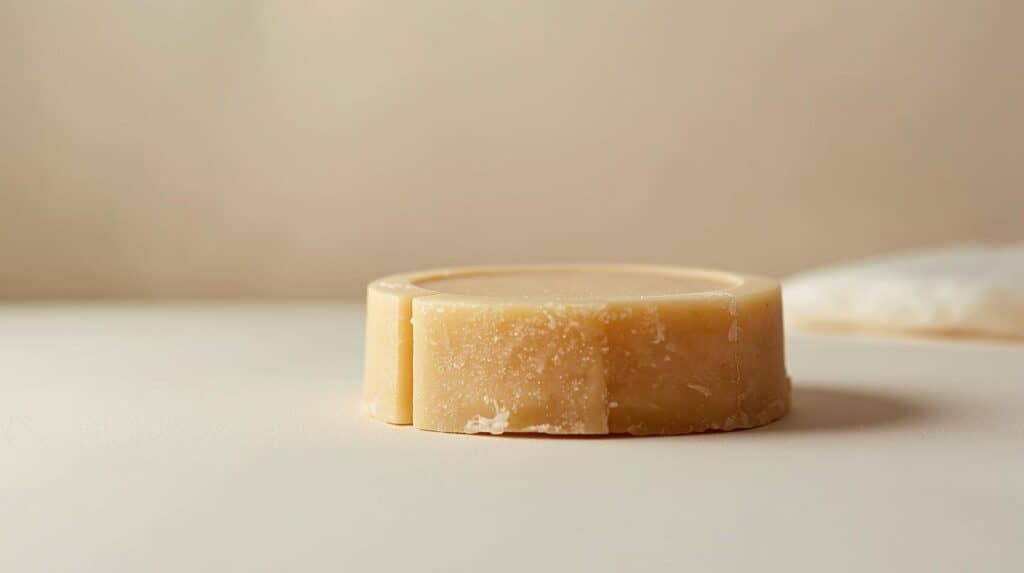
Because solid bars contain less water, they can be less prone to some forms of microbial growth, but that does not make them immune to contamination or degradation.
Clean hands, good drainage, and proper drying help protect a bar and can also keep it from dissolving prematurely.
Final Thoughts
Shampoo bars have several practical advantages: they are compact, concentrated, easy to travel with, and can provide many washes when stored well.
They can also reduce plastic packaging, especially when sold in paper or cardboard. The actual environmental benefit depends on the individual product and how it is made, packaged, shipped, and used.
A bar may cost more upfront, but it can still be good value if you get enough washes from it.
To know for sure, compare cost per wash using your own real-world usage rather than relying on a universal wash-count claim.
There is a small learning curve, mostly around how much product to use and how to keep the bar dry between washes.
If the bar disappears quickly, reduce the number of passes over your hair and make sure it drains completely after each shower.
If your hair stays waxy, tangled, dry, or difficult to rinse, treat that as a sign to adjust your technique or switch formulas rather than assuming your scalp must “adapt.”
If you like the compact format and find a formula that cleanses your scalp without leaving residue or excessive dryness, a shampoo bar can be a convenient long-term option.
Related Articles
Best Hair Darkening Shampoos And Shampoo Bars
Do Shampoo and Conditioner Freeze?