
Wax Based Foundation – Is It Right For You?
Finding the right foundation is about more than matching the shade. The formula, finish, coverage, and how it sits on your skin can matter just as much.
If liquid foundation tends to sheer out too quickly or you want high pigment in a compact cream format, wax-rich cream foundations are worth considering.
These formulas are especially common in professional makeup, stage, bridal, photography, and full-coverage complexion products.
You still need the right shade and undertone, but texture and skin prep become particularly important with concentrated cream foundations.
Your face may also have several tones and areas of discoloration, so a mixable cream palette can sometimes make shade matching easier than relying on one premixed bottle.
That is why the foundation formula matters just as much as the shade match.
A good formula should suit your skin type, preferred finish, coverage level, climate, and wear time.
Oily skin may prefer a thin matte application with powder where needed, while dry skin usually benefits from careful moisturizing and a more emollient cream formula.
What are the best wax-based foundations?
The best wax-rich cream foundations combine concentrated pigment with a blendable texture, so you can apply a thin layer and build coverage only where needed. Waxes do not automatically make a foundation pore-clogging, heavy, or unsuitable for acne-prone skin; the complete formula and your individual skin response matter more.
Foundation formulas can contain water, oils, silicones, waxes, powders, pigments, and film formers in the same product, so labels such as “water-based” or “wax-based” are useful shortcuts rather than strict scientific categories.
For this guide, “wax-based” refers to concentrated cream, palette, or stick-style foundations that use ingredients such as carnauba wax, candelilla wax, ozokerite, beeswax, or similar structuring agents.
What Are Wax-Based Foundations?
Wax-based or wax-rich foundations use one or more waxes or solid structuring ingredients to give the formula body, payoff, and a cream-to-solid texture.
Common examples include carnauba wax, candelilla wax, ozokerite, beeswax, and synthetic waxes. These ingredients can help suspend pigments and create a product that applies in a controlled, buildable layer.
Some people avoid thicker cream foundations because they assume every wax-rich formula will feel heavy or greasy.
In practice, high-pigment creams can often be worn more sheerly than expected because a small amount may provide enough coverage for the whole face.
Waxes also get blamed for clogged pores and breakouts, but you cannot reliably predict whether a finished foundation will cause acne just by spotting a wax in the ingredient list.
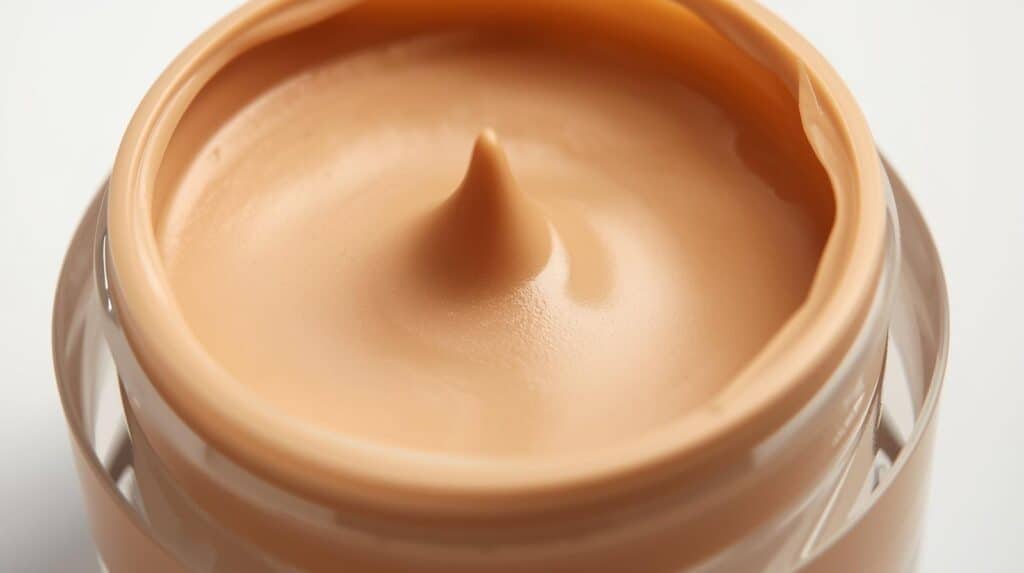
Whether a wax-rich cream works for you depends on the entire formula, skin prep, application amount, removal, and your own skin. Acne-prone skin should not assume every wax is comedogenic, and mature skin should not assume every cream will avoid fine lines.
Foundation is not one-size-fits-all, which is why testing the finish on your own skin is more useful than choosing by skin-type labels alone.
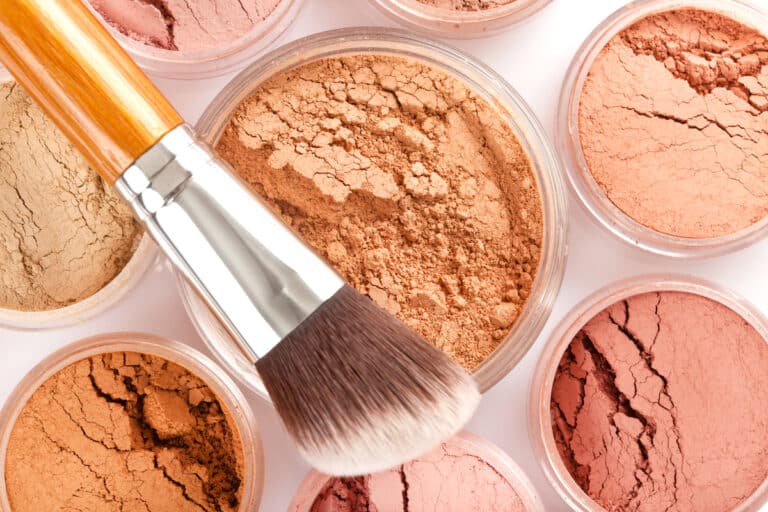
Wax-rich foundations are most commonly found in cream compacts, pots, palettes, and sticks.
A thick cream, stick, or palette foundation may contain waxes, but check the ingredient list rather than assuming every solid-format foundation uses the same base.
Pressed powder foundations are a separate format. Although some powders may contain binders or waxes, they do not behave like the high-pigment cream foundations discussed in this guide.
Wax-Based Foundations Vs Others
The biggest difference is usually the combination of concentrated pigment, a cream-to-solid texture, and controlled buildability.
Wax-rich cream foundations are common in professional makeup kits, but they can also be worn every day if you like the coverage and texture.
Their concentrated pigment and compact format make them particularly useful for events, photography, stage work, bridal makeup, and spot concealing.
Liquid foundations may rely more heavily on water, silicones, oils, or volatile carriers, depending on the formula.
A product described as water-based can still contain oils or silicones, and an oil-rich foundation can still contain water. Ingredient lists are more informative than simplified base labels.
Here is how wax-rich creams compare with other common foundation formats.
1. Oil-Based
Oil-rich foundations use emollient oils or oil-soluble ingredients to create slip, flexibility, and a more nourishing feel.
They are not automatically heavy or acne-causing. Some feel rich and dewy, while others are engineered to set down and wear for hours.
Dry skin may enjoy an emollient foundation because it can reduce the look of flaking, although skin prep and finish still matter.
Skin type can help narrow the options, but the final finish still depends on the specific formula, your prep, and how much product you apply.
2. Water-Based
Water-first liquid foundations come in matte, natural, and dewy finishes, so they can work across many skin types.
Having water first on an ingredient list does not guarantee that a foundation is hydrating, oil-free, non-comedogenic, or ideal for acne-prone skin.
Combination and dry skin can also wear water-first liquid formulas comfortably, depending on the finish and supporting ingredients.
If you are acne-prone, look at the complete formula, remove makeup thoroughly, keep applicators clean, and pay attention to how your skin reacts rather than avoiding every oil or wax automatically.
Likewise, some acne-prone users tolerate oil-rich or wax-rich foundations perfectly well, which is why individual response matters more than a single ingredient category.
3. Wax-Based
Wax-rich cream foundations can work across different skin types when the texture, prep, and application technique suit the wearer.
Oily skin may appreciate a highly pigmented cream that can be applied thinly and set with powder, while mature or dry skin may prefer a more emollient cream. No foundation is guaranteed to avoid fine lines, pores, or texture.
The advantage is control: you can concentrate coverage only where you need it instead of applying a thick layer across the entire face.
The denser texture can take more technique than a fluid foundation. Warming a small amount on a palette or hand and pressing rather than dragging the product usually makes application easier.
Whether you reserve it for special occasions or wear it daily is personal preference; use a thin layer and set strategically if you want a lighter result.
If you prefer something faster and more fluid, a traditional liquid foundation may be easier for everyday use.
Are Wax-Based Foundations Right For You?
What are some pros to using wax-based foundation, and how do you know if it will fit your lifestyle?
The format is most appealing if you value coverage control, compact packaging, mixability, and concentrated pigment.
Here are the main advantages and tradeoffs to consider.
Many professional cream foundations are designed for long wear, especially when applied in thin layers and set with a compatible powder.
Do not assume any wax-based formula is automatically 24-hour or budge-proof. Wear time is product-specific and changes with skin type, climate, prep, and setting products.
That can make them especially useful for events, filming, photography, and other situations where controlled coverage matters.
Another advantage is the ability to create a smooth, high-coverage finish without automatically applying a thick layer everywhere.
Because professional cream foundations are often highly pigmented, they do not have to feel heavy when you use a small amount.
A thin application can feel lighter than expected, but any complexion product can emphasize pores, flakes, or fine lines if the skin prep, shade, texture, or application amount is not a good match.
Coverage is one of the biggest strengths of this format.
High pigment can be useful for covering post-acne marks or redness without repeatedly layering product. If you are acne-prone, choose a formula your skin tolerates and remove it thoroughly at the end of the day.
Professional cream foundations can also be versatile, especially when shades are designed to be mixed together.
If you choose different shades of wax foundations, you can use them as a concealer or bronzer/contour.
They are particularly useful for photography, stage, bridal, and other situations where controlled coverage matters.
They can also be practical for special events because compact cream formulas are easy to touch up or mix as needed.
There is no single “best” skin type for wax-rich foundation. The finish and supporting ingredients of the specific product matter more than the wax category alone.
How To Apply Wax-Based Foundation
Wax-rich foundations can feel less intuitive than liquid formulas at first because the denser texture responds differently to pressure, warmth, and application tools.
Most wax-based foundations come in a cream, stick, pot, or palette format, so the easiest approach is to start with less product than you would use with a fluid base.
1. Skin Prep
Usually, you’ll find wax foundations in a tub, pot, palette, or tin.
Sometimes they can be creamy and malleable, and other times they can be firmer or dry.
Regardless, you’ll want to ensure that your skin is prepped and ready for makeup.
Good skin prep can make a noticeable difference in how an opaque cream foundation sits on texture.
Use a moisturizer that suits your skin, give it time to settle, and avoid over-layering slippery skincare underneath a dense cream base.
Comfortable, well-prepped skin usually makes a dense cream foundation easier to spread and less likely to catch on dry patches.
2. Work Small
Next, you’ll want to start working with small amounts of product.
Because the pigment is concentrated, applying too much at once can quickly make the base look heavy or textured.
This is especially helpful for beginners because high-pigment creams can become cakey when too much is applied at once.
3. Tools
You’ll want to have a makeup sponge or synthetic foundation brush on hand.
A damp makeup sponge is excellent for beginners and offers lighter coverage.
A damp sponge can help you sheer out the product and press it into the skin, although it may absorb some foundation along the way.
A synthetic foundation brush generally keeps more product on the skin, which can make it easier to build medium or fuller coverage.
Your preferred tool depends on the finish you want, the firmness of the foundation, and how much coverage you are trying to keep.
4. Warm Up Your Foundation
If a cream or wax-rich foundation feels firm in the pan, gently warming a small amount can make it easier to spread.
For personal use, you can work a small amount on the back of your clean hand. Makeup artists working on clients should use a sanitized palette and spatula instead of double-dipping into the product.
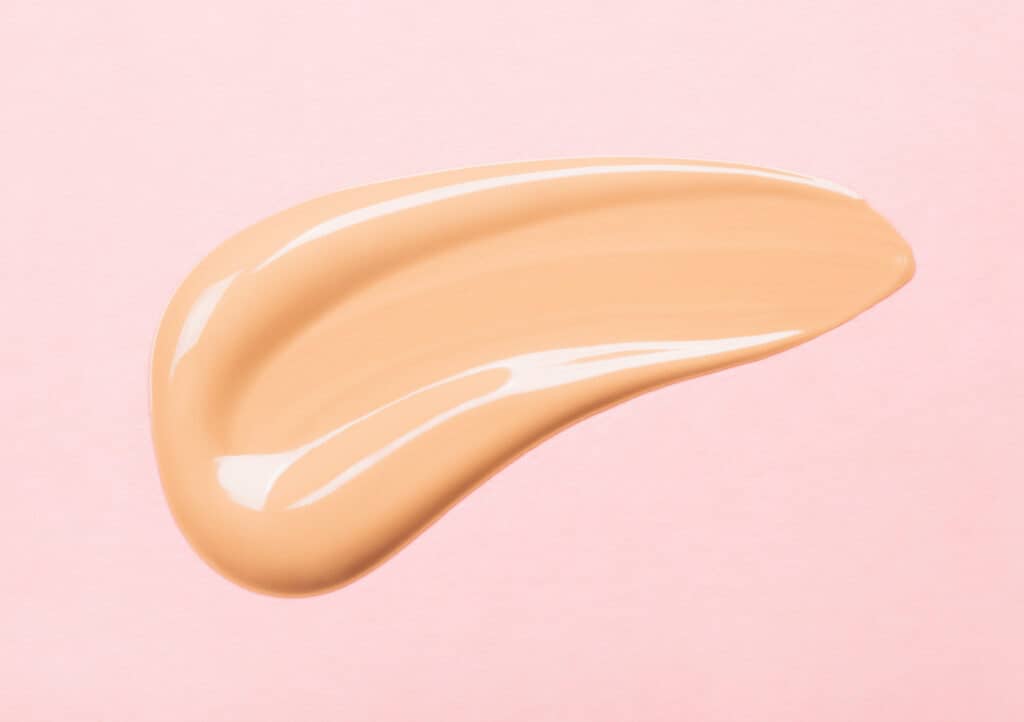
The warmth can soften the product slightly and make a thin application easier.
Slightly softening a firm cream can make it easier to spread in a thin, controlled layer.
From there, add more only to areas that need extra coverage rather than thickening the entire base.
5. Blend To The End
Blend the wax-rich foundation into the skin with light pressing or stippling motions, then inspect the edges before adding more product.
As a general rule of thumb, you’ll want to ensure there are no harsh lines of demarcation between the foundation and your skin tone.
Your coverage level can stay sheer in some areas and fuller in others, which is one of the biggest advantages of a concentrated cream formula.
Keep blending until there are no obvious patches or abrupt edges between the foundation and bare skin.
Are Wax Based Foundations Harmful To The Skin?
Like any complexion product, wax-rich foundations will not suit every skin type, finish preference, or sensitivity.
Makeup is not inherently harmful to skin, and terms such as “clean” or “skin-loving” do not have one standardized safety meaning.
The practical issues are whether you tolerate the formula, remove it appropriately, and keep brushes and sponges clean.
If you are allergic to certain ingredients, always read the ingredient lists.
This is especially important if you already know you react to a specific fragrance, preservative, pigment, or other cosmetic ingredient.
Any cosmetic can cause irritation or allergy in a susceptible person, so stop using a product if you develop persistent itching, burning, swelling, or a rash.
No foundation can be guaranteed not to cause breakouts. Thorough removal and clean tools help, but acne can also be influenced by the formula, friction, hormones, other skincare products, and individual sensitivity.
If your skin is very reactive, test a small amount of the finished foundation on a limited area before wearing it over your entire face. A small test cannot guarantee that an allergy will never occur.
Pros & Cons Of Wax Based Foundations
Wax-rich cream foundations are versatile, but their concentrated texture is not everyone’s preference.
Wax-based foundations are common in professional makeup kits, but they can also work for everyday wear if you enjoy concentrated coverage and a cream texture.
Many offer medium-to-very-high buildable coverage, depending on how much product you use.
Many can also be mixed with neighboring shades or paired with concealer and setting powder for a more customized finish.
If you like quick, sheer makeup, a dense cream may feel like more work than you want for everyday use.
The learning curve is mainly about using less product than you think you need and blending it before adding more.
Some formulas benefit from warming on a palette, while softer cream foundations can be applied directly with a sponge or brush.
The process can take more practice than applying a fluid foundation, especially if the formula needs warming or precise shade mixing.
Choose by the specific formula and finish rather than assuming every wax foundation is ideal for mature or acne-prone skin.
Many are designed for long wear and strong coverage, especially when paired with the brand’s recommended setting products.
Overall, whether this is right for you will depend on your lifestyle and personal preference.
Wax-Based Foundation Brands
When comparing brands, focus on shade range, undertones, pigment level, finish, ingredient list, and whether the product is sold as a single shade or professional palette.
These three current professional-style cream foundations are useful places to start. Always check the latest shade range and ingredient list because formulas and availability can change.
| Rank | Product | Key Features |
|---|---|---|
| 1. | Dermablend Professional Cover Foundation | Highly pigmented, SPF 30 |
| 2. | RCMA VK 18 Part Palette | 18 shades, long-wear |
| 3. | Cinema Secrets Ultimate Foundation | Blendable, creamy, full coverage |
1. Dermablend Professional Cover Foundation
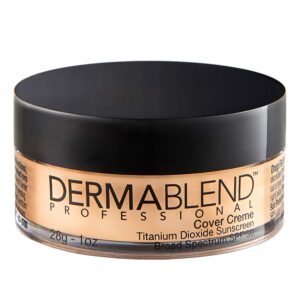
Dermablend Cover Creme remains a current high-pigment cream foundation designed for very high coverage.
The current brand description lists it as dermatologist-tested and suitable for all skin types, including sensitive and post-procedure skin.
If you are acne-prone, remember that individual tolerance still matters even when a product is marketed for a wide range of skin concerns.
Cover Creme is designed for very high, buildable coverage that can conceal discoloration, scars, tattoos, and other visible concerns.
Because it is highly pigmented, start with a small amount rather than assuming full coverage requires a thick layer.
The current Cover Creme includes SPF 30. For reliable daily sun protection, use a separate broad-spectrum sunscreen underneath rather than depending on the amount of foundation most people apply.
For personal use, warm a small amount on the back of a clean hand or work it with clean fingers before applying. Professionals should decant product with a sanitized spatula rather than working directly from the container on multiple clients.
Build coverage selectively with a brush, or press over the base with a damp makeup sponge if you want to soften the finish and remove excess product.
Dermablend currently describes Cover Creme as a matte, all-skin-type cream foundation. The brand claims up to 16 hours of smudge- and transfer-resistant wear when it is set with Dermablend Setting Powder, so the setting step matters if longevity is your priority.
2. RCMA VK 18 Part Palette
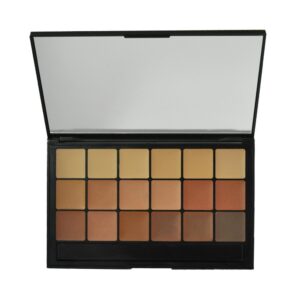
RCMA is a long-running professional makeup brand, and its current Vincent Kehoe 18-part palettes are still sold for foundation and concealer work.
This cream foundation palette makes the most sense for makeup artists, frequent shade mixers, or anyone who genuinely needs a broad range of complexion shades.
For a single personal makeup routine, an 18-shade palette may be more product than you need.
The current VK palettes include 18 highly pigmented cream shades, with different palette versions covering different undertone and depth families.
The range can also be used for concealing, contouring, bronzing, and custom shade mixing, which is why the palette format is especially practical for professional kits.
The current formula contains carnauba wax, candelilla wax, and ozokerite, making RCMA one of the clearest examples of a genuinely wax-rich cream foundation in this roundup.
The pigments are concentrated, so RCMA recommends applying the product lightly rather than starting with a heavy layer.
With a highly pigmented palette like this, a light hand helps keep the result skin-like and reduces the chance of a cakey finish.
The brand positions the formula for both HD/professional work and everyday wear, depending on how sheerly you apply it.
The value is strongest for someone who will actually use the multiple shades for mixing, concealing, contouring, or working across different complexions.
3. Cinema Secrets Ultimate Foundation
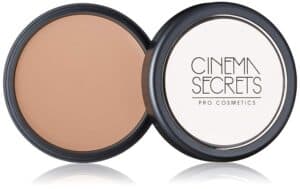
Cinema Secrets Ultimate Foundation is also still sold in professional cream-foundation singles and palettes.
The current ingredient list includes carnauba wax and candelilla wax, along with emollients and silicone, so it fits the wax-rich cream category well.
Ultimate Foundation is highly pigmented and designed to be applied in thin, buildable layers.
Its texture is creamy enough to sheer down for lighter coverage or build up where you need more correction.
The current formula includes emollient ingredients, but whether it feels moisturizing will depend on your skin and the prep underneath it.
For sheer coverage, the brand currently recommends mixing a small amount with its Moisture Spray+ and applying with a dampened sponge or brush.
Like the RCMA foundation palette, Cinema Secrets Ultimate Foundation is versatile enough for foundation, spot concealing, and targeted complexion correction.
Deeper or lighter shades can also be used strategically for contouring or highlighting when the undertone works with the complexion.
Cinema Secrets currently recommends setting Ultimate Foundation with powder when you want a more transfer-resistant, long-wearing finish.
This is a strong option if you want professional-level pigment, shade mixing, and adjustable coverage in a compact cream format.
As with the other picks, use less than you would with a liquid foundation and build slowly if your goal is a natural-looking finish.
Related Articles
Best Colour-Changing Foundations
Curly Hair Shapes – And Styles To Try