
Cocoa Butter On Face At Night Benefits
The cocoa bean is a versatile plant that can be easily incorporated into your favorite desserts or beauty products.
In skincare, cocoa butter is mainly valued as a rich emollient and occlusive ingredient that can help reduce water loss and soften dry skin.
Cocoa butter has a rich texture and is commonly used in body creams, balms, and lip products.
Because it is a plant-derived fat, it forms a dense layer on the skin that can improve softness and reduce transepidermal water loss. That can make dry skin look smoother and temporarily plumper.
Some people also use cocoa butter on the face at night because its thick texture can feel too heavy for daytime wear.
The most realistic benefit is improved overnight softness and reduced dryness rather than a permanent change in skin tone or age-related structure.
So, what are the benefits of applying cocoa butter to your face at night?
Cocoa butter can work as an overnight occlusive for dry skin because it helps reduce water loss. However, it can feel very heavy on the face and may not suit acne-prone or easily congested skin. It does not treat scars or hyperpigmentation on its own.
It can soften roughness and reduce the look of dehydration lines, but there is limited evidence that plain cocoa butter fades true scars or post-inflammatory hyperpigmentation.
What should you know about applying cocoa butter to the face?
What Is Cocoa Butter?
Cocoa butter is more than a rich and chocolatey scent.
Healthline states, “Cocoa butter is a plant-based fat taken from the cocoa bean.
It’s extracted from roasted cacao beans…Pure cocoa butter may be packaged on its own or processed with other ingredients and sold as body cream.”
It’s known for its rich, occlusive texture, but it is not automatically suitable for every skin type, especially if you are prone to congestion or dislike heavy products.
For more information, take a look at this video from eHow on YouTube.
Is Cocoa Butter Good For Every Face?
Not necessarily. Cocoa butter makes the most sense for dry, non-acne-prone skin that tolerates rich occlusive products. If you are oily, prone to closed comedones, or frequently break out around the cheeks and jaw, a lighter facial moisturiser is usually easier to manage.
It is also important to separate dehydration from hyperpigmentation or scarring. Moisture can soften fine dehydration lines and rough texture, but it does not erase pitted acne scars or reliably fade dark marks.
Benefits Of Applying Cocoa Butter On The Face At Night
Cocoa butter has a heavy, waxy texture, so many people prefer to use it at night rather than under daytime sunscreen or makeup.
The thickness of cocoa butter can feel greasy on some skin types, but using a small amount at night can help reduce water loss and make dry skin look temporarily smoother and plumper by morning.
The strongest reason to use cocoa butter on the face is moisture retention and softness. Claims about fading scars, pigmentation, or wrinkles are much less certain.
It’s crucial to note that most evidence regarding cocoa butter as a nighttime moisturiser is anecdotal.
It may be worth trying if your skin is dry and not easily congested, but its facial benefits are mostly related to emollience and occlusion rather than treatment of specific skin conditions.
Regardless, it remains a common and ultra-moisturising skincare ingredient.
1. Boost Hydration
Cocoa butter is known for its moisturising properties and is commonly used in creams.
It can make dry skin feel softer and less tight by reducing moisture loss. That temporary plumping effect may soften the look of dehydration lines, but cocoa butter does not replace every night cream or treatment serum.
Hydration is the immediate and general benefit of applying cocoa butter to your face nightly.
2. Acts As A Protective Barrier
Why does cocoa butter work so well at hydrating the skin?
Its high fat content makes it a strong occlusive layer, which can be useful on dry areas. Start with a small amount because the texture may be too heavy for some faces.
Medical News Today states, “Cocoa butter is mostly made up of fatty acids. These fats may help form a protective layer on the skin, preventing moisture from escaping, and therefore stopping the skin from drying out.”
3. Promote A Youthful Complexion
More often than not, dehydration lines are mistaken for fine lines, so some textural skin concerns can be addressed with moisturising.
So, it’s possible that cocoa butter can create the appearance of a more youthful complexion simply by boosting hydration.
4. May Improve The Look Of Dry, Uneven Texture
Cocoa butter can make dry or rough skin look smoother, but it has not been shown to reliably fade acne scars or dark spots on its own.
If uneven pigmentation is your concern, ingredients such as azelaic acid, retinoids, vitamin C, niacinamide, or other pigment-targeting treatments generally have more direct evidence than plain cocoa butter.
Medical News Today discusses antioxidant compounds found in cocoa, but the presence of antioxidants does not mean plain cocoa butter is a proven treatment for scars, pigmentation, or inflammatory skin disease.
5. It Can Double As A Makeup Remover
In what other unique ways can you apply cocoa butter to the face at night?
Cocoa butter can dissolve some makeup because oils and fats can loosen oil-soluble pigments and waxes.
However, plain cocoa butter does not emulsify with water the way a cleansing balm or cleansing oil does, so it can leave a heavy residue unless you follow with a regular cleanser.
For heavy or waterproof makeup, a purpose-made cleansing balm or oil is usually easier to rinse clean and more predictable around the eye area.
6. Effective Lip Treatment
Lips are often left out in skincare routines, but they, too, need all the nourishment they can get. You can slather cocoa butter on the face at night, but you can also coat the lips.
Its occlusive texture can help dry lips feel softer and smoother.

You can apply cocoa butter to the lips at night to prevent water loss, making it an ideal lip treatment.
Disadvantages Of Using Cocoa Butter On The Face
What should you know about cocoa butter before applying it to the face?
While it’s generally well-tolerated, some downsides may arise when using it on the face for certain skin types.
Depending on your skin type, possible issues include clogged pores or an allergic reaction.
Clogged Pores
Healthline notes that cocoa butter may be too heavy for acne-prone skin. Comedogenicity ratings are imperfect, so the most useful test is how your own skin responds.
If you are prone to closed comedones, oily congestion, or breakouts, a lighter facial moisturiser may be a better fit than plain cocoa butter.
Some dry skin types tolerate it well, while others find it too occlusive. Introduce it gradually rather than assuming it will suit your face because it works on the body.
Potential Allergic Reaction
Cocoa butter is safe for skin use for most people.
However, you might have an allergic reaction if you’re allergic to this skincare ingredient.
If you have eczema, acne, perioral dermatitis, or another ongoing skin condition, use simple products recommended for that condition instead of relying on cocoa butter as treatment.
A small-area test can help identify obvious irritation, but it cannot guarantee that facial skin will never react. Stop if you develop itching, swelling, rash, or persistent redness.
Why Is Cocoa Butter Better To Apply To The Face At Night?
Why is it recommended to apply cocoa butter on the face at night?
We’ve mentioned how cocoa butter has a thick, whipped, and oily texture.
This dense cream may not be suitable for daytime wear because it can easily overwhelm the skin.
At night, cocoa butter can act as an occlusive layer that reduces moisture loss. Whether that makes the skin look more radiant depends mainly on how dry it was to begin with.
How To Patch Test Cocoa Butter
Apply a small amount to a discreet area of skin for several days before using it all over your face. Watch for itching, redness, bumps, or clogged pores. A patch test can reduce uncertainty, but it cannot guarantee that your full face will react the same way.
How Often Should You Apply Cocoa Butter At Night?
How often should you use cocoa butter in your nightly routine?
This can vary depending on your skin’s characteristics and needs.
If your skin is very dry and not acne-prone, you may tolerate a small amount nightly, especially on dry patches.
There is no required two-to-three-times-a-week schedule. Use it only as often as your skin benefits from the extra occlusion without becoming greasy, irritated, or congested.
How To Use Cocoa Butter On The Face At Night
You can apply cocoa butter to the face during your nighttime routine in a few ways.
Cocoa butter is versatile, but facial tolerance varies, especially between dry and acne-prone skin.
You can use it as a moisturiser or a makeup remover.
How often you use it depends on your skin type.
As A Makeup Remover
Melted cocoa butter can loosen some makeup and sunscreen, but it may leave residue behind because it is not formulated as a rinse-off cleanser.
If you regularly wear waterproof makeup, a cleansing oil or balm made to emulsify with water is generally easier to remove completely.
If you do use cocoa butter as a first cleanse, follow it with a gentle water-based cleanser so the oily residue does not remain on the skin.
Use As A First Cleanse
Double cleansing is optional, but it can be useful if you wear heavy makeup, water-resistant sunscreen, or long-wear products.
A first oil-based step can help loosen stubborn makeup and sunscreen, but a purpose-made cleansing oil or balm is usually easier to rinse than plain cocoa butter.
As A Moisturizer
Finally, the most straightforward way to use cocoa butter is as a moisturiser.
This will be great for dry skin or those who feel dehydrated.
Consistent moisturising can make dry skin look smoother and more radiant, but it will not reliably fade pigmentation or scars.
Clean The Skin
You’ll first want to cleanse your skin as you usually would.
This may include your double-cleansing routine with other products, such as those other than cocoa butter.
Regardless, it will give a fresh-faced canvas for your other skincare products.
Add Toners/Serums
Next, you’ll want to add any toners or serums to the skin right after cleansing.
Toners and serums are optional treatment steps chosen for specific goals such as hydration, acne, or pigmentation. They are not required simply to make moisturiser absorb.
If you use a treatment serum, apply it according to its directions before sealing in moisture with a heavier product.
Moisturize
Now you can lock in hydration with cocoa butter.
You can start by applying a small amount and working it into the skin.
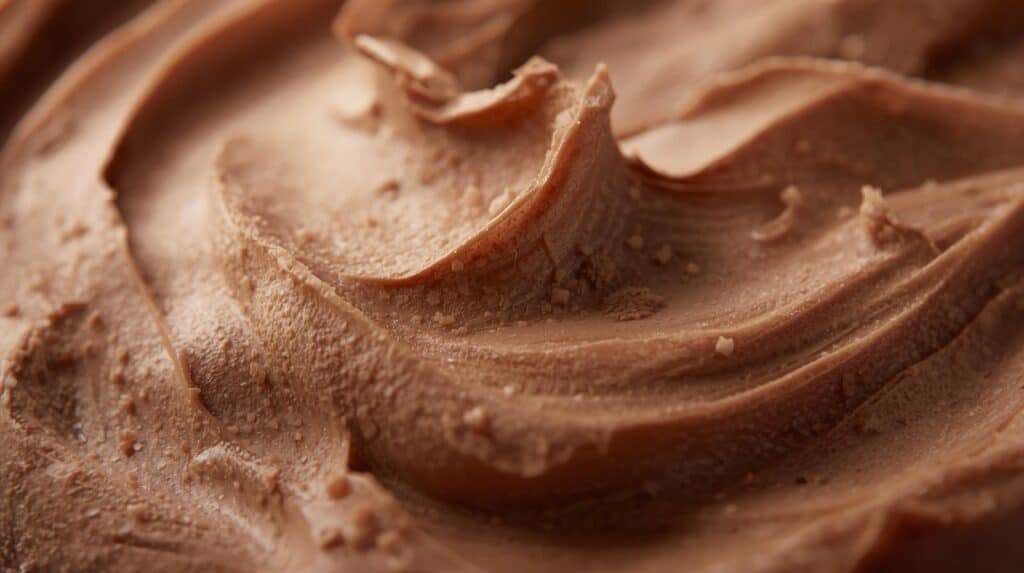
Then you can decide whether you need more, but because cocoa butter is so thick, a little bit goes a long way.
You can even add extra to the lips to help prevent cracking.
Takeaway
Cocoa butter can work as an overnight occlusive for some dry skin types, but it is too heavy for others.
Its most reliable benefit is reducing moisture loss and softening dry skin. Claims about evening skin tone, fading scars, or treating pigmentation are not well supported.
However, you’ll want to ensure cocoa butter suits your skin type, as it may not be ideal for those with clogged pores or allergies.
What are your thoughts on cocoa butter, and will you be adding it to your nighttime skincare routine?
Cocoa Butter On Face FAQs
Can Cocoa Butter Clog Pores?
It can feel too occlusive for some acne-prone or congestion-prone skin types. Comedogenic ratings are imperfect, so the best indicator is whether you develop new bumps, closed comedones, or worsening acne after consistent use.
Does Cocoa Butter Fade Dark Spots?
There is limited evidence that plain cocoa butter fades hyperpigmentation. It may make dry skin look smoother and healthier, but pigment-focused ingredients and daily sunscreen are more relevant for dark spots.
Can Cocoa Butter Remove Acne Scars?
No topical butter can erase depressed or raised acne scars. Moisturising may soften rough surface texture, but true acne scars often need targeted dermatologic treatments if you want a major change.
Can You Use Cocoa Butter Every Night?
You can if your skin is dry, comfortable, and not becoming congested. If it feels greasy, develops bumps, or breaks out more often, reduce use or switch to a lighter moisturiser.
Related Articles
Does Shea Butter Lighten Skin?