
What Does Hair Toner Do To Highlights?
If you’ve ever undergone any sort of bleaching treatment, you’re probably no stranger to the periodic use of toner in your haircare routine.
But did you know that toner is still necessary even when you haven’t dyed your whole head?
Just like any color treatment – highlights, balayage, and steaks can fall victim to harsh tones (especially if you’ve used bleach).
Has your beautiful platinum blonde balayage faded into a more yellow tone? Or maybe your brown highlights are starting to look a touch more coppery?
Whatever the concern, your highlight woes can be fixed with a high-quality toner.
But what does hair toner do to highlights?
Well, just what you expect a hair toner to do! It neutralizes the harsh undertones your hair might be showcasing, and deposits the correct color to the surface, evening out your strands and giving them that freshly dyed look.
Here, learn all about what goes into choosing the right toner for your highlights, and what to expect once you begin regular use of them.
Wait, What Is A Toner?
A hair toner is any product that works to fight brassy undertones that wreak havoc on your hair.
They come in a variety of forms – shampoos, conditioners, serums, and gels, so it may seem a bit confusing (especially if you’re new to the hair product community), but if it color corrects, it’s a toner.
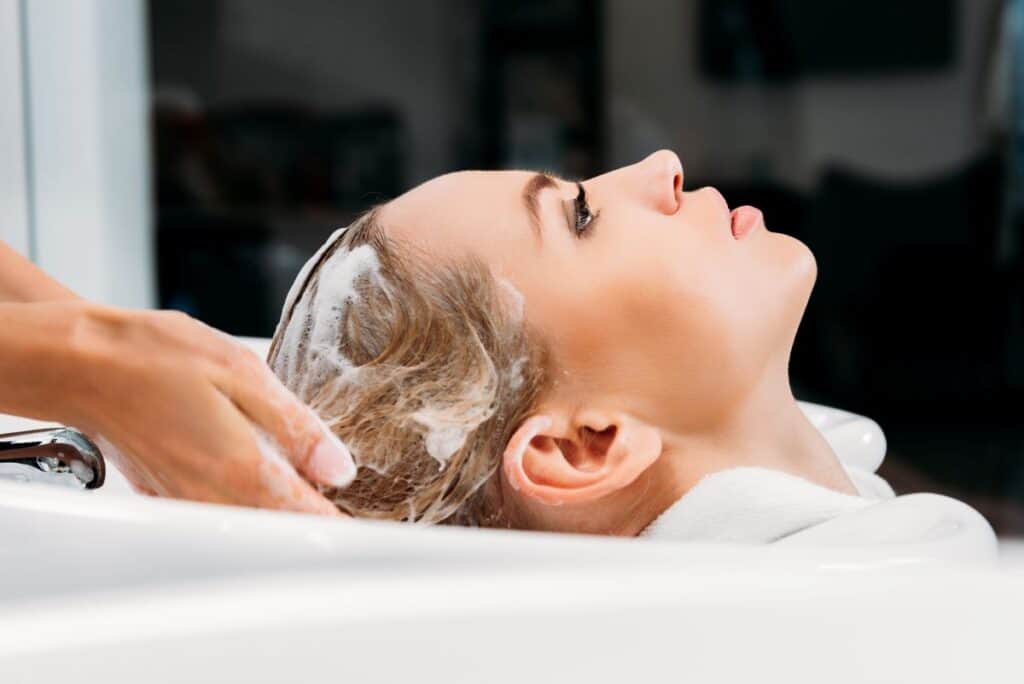
While toners can fix the too-cool or too-warm tones in your strands, they can also make your hair shiny, conditioned, and healthy.
Basically, if you’re feeling like your style needs some new life, a hair toner is probably your best bet to inject it with some.
While you can go to a salon to get a toning treatment done, you can definitely get the job done in your own bathroom for a fraction of the price.
Of course, there are some things you need to keep in mind before toning to ensure you get the best result, but don’t worry if you don’t know them yet! That’s what we’re here for.
When Should I Tone?
If you used bleach at any point during your highlight process, using a toner is not an option, but a necessity. You will rarely be left with neutralized hair color after using bleach.
More likely than not, you’ll be left with bright yellow or orange highlights.
If you’re in a salon, they’ll apply a toner right away, but if you’re doing your hair at home, make sure you have a toner ready to use as soon as you rinse the bleach out.
If you didn’t use bleach or if you’ve had your highlights for a while, toner is still an important product to have on hand.
Depending on how frequently you wash your hair or use heat, your highlights can fade at different rates.
So you want to have a toner on hand to correct any undertones as soon as you notice them.
When you use a toner, the color correction should last you 3-4 weeks before you need to apply it again.
In between toning sessions, you may benefit from rotating a color-correcting shampoo and conditioner every two weeks or so to maintain fresh-looking highlights.
Toners are great at giving your hair a more cohesive look, as harsh undertones can make your highlights look more chunky than even with the rest of your strands.
Regular use of a toner will keep your dye job looking brand new, the only giveaway being when your roots eventually come in!
How To Choose The Best Color Toner For Your Hair
We wish choosing a product was as simple as grabbing the first bottle labeled “toner” at the beauty supply store, but picking the best color corrector for you is a bit more complex than that.
This is definitely the most confusing part of the toner process, because it’s a lot different than choosing what color you want to dye your hair.
Instead of picking what color you want your hair to be, you’re essentially picking what color will diminish the tone of your hair as it is.
But please don’t be discouraged! You don’t need to be an expert on color theory to choose a hair toner.
In fact, you probably already have some knowledge about color neutralization as-is!
When you’re doing your makeup and wanting to cover up the redness of a pimple, what shade of color corrector do you reach for?
Green! That’s because they oppose one another on the color wheel and cancel each other out. It’s the exact same idea, except instead of your face, it’s your hair!
If you’ve ever had your blonde hair turn green after swimming, you may have gotten the advice to use ketchup on your hair to get your hair looking normal again – yup, that’s essentially toning, too.
Thankfully, there are no toners on the market that contain any condiments, making them a lot better for your hair.
Now that you’ve got the general idea, we’ll break down what the best color picks are for what you’re trying to correct:
1. Bleach Blonde
If you want your highlights to be the lightest blonde possible, reach for a purple or violet toner.
Since the bleaching process isn’t enough to get rid of your hair’s orange-y and red pigments, stylists apply toner immediately after your locks are bleached.
While you may leave the salon (or your bathroom) with beautifully cool highlights, as time goes by, you may find the warm undertones rearing their head.
On a color wheel, these colors are opposite purple or blue tones—but if you’re aiming for the most platinum blonde possible, opt for purple.
Remember, the longer you keep a toner on, the more neutralized your highlights will be.
Beware leaving a purple toner on light blonde locks for too long, or you may be left with a lavender shaded hue!
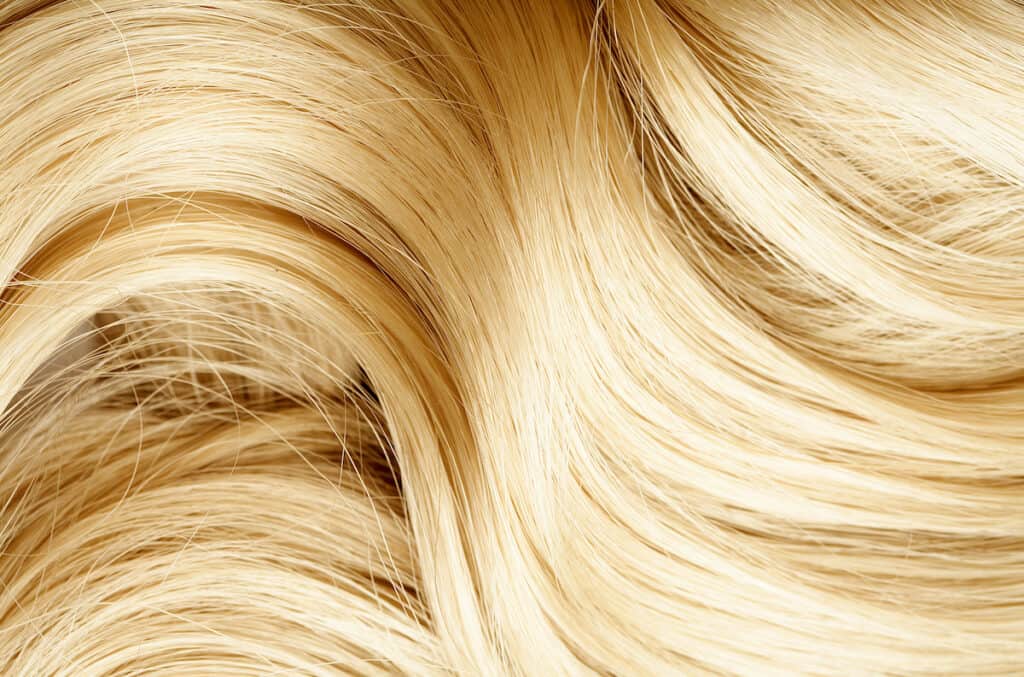
Thankfully, this will wash out with every shampoo, but unless you’re aiming for purple highlights, make sure to time your application!
2. Dark Blonde
If you’re going for a more natural shade of blonde, you’re going to want a more ashen undertone.
Platinum blondes can get away with having near-white tones in their hair, but overtoning a dark blonde can leave your hair looking ghostly.
Dark blonde hair may fade to turn a more golden shade of yellow, and if that’s the case, you should also be reaching for a purple toner.
But if you find that your dark blonde highlights are leaning more toward copper/red, neutralize the tones with a blue color corrector.
Which will give your highlights a more natural, ashy dimension.
Take care to ensure you know which tones you’re trying to correct, because using the wrong toner to neutralize a color will do nothing for your hair, e.g., applying a blue toner to golden highlights.
3. Red
If you’ve got red highlights (like a firetruck) and are trying to give them new life, use a similarly red toner.
They are a little bit harder to come across, but we promise there’s a market for them.
An unnatural red hair color will fade into an orange shade.
When you’re ready to tone, don’t try to neutralize that orange color with a blue toner, because you unfortunately won’t go back to red, and instead will end up with a more neutral brown shade.
Bright red highlights are probably one of the most difficult shades to color-correct with a toner.
So you may instead want to use a color-depositing conditioner, like Overtone, to refresh your color if you want your highlights to be as bright as they were during the initial dye job.
4. Auburn
If you opted for a more natural, auburn color for your highlights, you can remove any too-red tones with a green toner, just like you would to conceal a pimple!
But if your highlights are looking more ginger, neutralize the orange-y tones with a blue toner.
5. Light Brown
Aiming for light brown highlights? Light brown hair is warm and can end up fading with more brassy or copper-toned shades, so color correct with a blue toner.
Don’t leave this toner on for too long, or you may be left with a more mousy blonde shade than an ash brown!
6. Dark Brown And Black
You may think that you don’t need to tone dark colored hair, but in reality, using a toner on dark locks gives your mane a more complex finish.
The natural undertone for a lot of dark hair is red, so neutralize it and keep your hair looking cool with a green-based toner.
Some new strides have been made in the toning community for our brunette friends, and we are super excited about them!
These won’t work on deep black locks, but if your hair is dark brown, and you’re yearning for a more mahogany undertone.
Chromasilk has released a line of dark mahogany toners that can add a rich, deep red shade to your brown locks without the use of a hair dye or the harshness of a bleach!
Dark hair doesn’t have to be boring; all you need is a little bit of dimension.
Now that we know which toner shades are best for your hair, we can move on to the different toner options you may have, so you know which one is best suited for your hair care regimen!
Types Of Toners

Semi-Permanent
If your hair is more damaged, or you’re just looking to maintain your color between professional toning treatments.
You may want to integrate a semi-permanent hair toner into your routine. The best part? It’s a no-brainer to apply.
Semi-permanent toners are often just shampoos and are used exactly as expected. You don’t need to worry about hair caps, clips, or foils.
But while it’s gentle, a toning hair wash can still be considered a chemical treatment, so you don’t want to use it in place of your regular shampoo, or you risk drying your hair out.
If you haven’t toned in a while and your hair is looking much more brassy than you’d like.
You can leave the shampoo on your locks for up to 5 minutes (any more and you risk your highlights shifting to a brand-new color).
The best part about this toning method, however, is how gentle it is on your hair.
We don’t mean the toning isn’t effective, but rather that the formula isn’t as harsh as other toning methods.
There is absolutely no ammonia involved using this method, which makes it as close to fool-proof as you can get!
Demi-Permanent
If you’re in the market for something a little more heavy-duty but aren’t yet comfortable toning your hair, a demi-permanent toner will get the job done.
Demi-permanent and permanent toners are applied by mixing with a developer. With this option, you won’t need a strong developer for the toner to do its job.
A level 10 developer should do the trick, and the good news is, you can buy it from most beauty supply stores without a beauty license.
But regardless, using a developer will be more damaging to your hair than a toning shampoo or conditioner.
Thankfully, a demi-permanent dye won’t be as harsh on your locks as a permanent toner, but there is a compromise: the color will fade over time.
We recommend this technique for those who haven’t toned their locks in a while.
Have yellowish-blonde highlights they’re trying to correct, or who want their highlights to blend into the rest of their hair with a more natural finish.
Permanent
Don’t read on unless you’re a licensed beautician, because we don’t recommend this method of toning unless you are well-versed in the intricacies of a permanent toner.
A permanent toner is just about the roughest method of toning that you can do to your hair.
But that doesn’t mean your hair will break off at the root, not if you do it correctly at least.
Permanent toners contain high levels of ammonia and must be mixed with a Level 20 (or higher) developer to color-correct the undertones in your hair.
Both of those are extremely strong chemicals to apply to your hair, and need to be treated as such to avoid frying your strands.
This is definitely not the ideal method for someone who undergoes frequent chemical treatments or regularly changes their hair color.
Permanent toning will strip healthy hair of its natural oils, leaving it drier than before.
If it can cause that strong an effect on moisturized locks, compromised strands can only expect hair fall, breakage, and a brittle end result.
Related Questions
How Do I Apply Toner To Highlighted Hair?
You can choose to apply toner over your entire head or just to the highlighted areas.
If you have dark hair with lighter highlights, you won’t see much disruption with the natural shade of your hair, but if you have blonde hair and are trying to tone light-colored highlights.
You may benefit from using a foil application technique to tone just the areas you want neutralized.
What Happens If I Overuse A Toner?
Like any chemical treatment, abusing your toner will leave you with damaged, dry, and broken hair.
To avoid straining your locks too much over time, make sure you only tone every couple of weeks.
To maintain the freshness of your color between treatments, instill a healthy hair care routine by avoiding daily shampooing, applying a heat protectant, and using only color-safe products!
Related Articles
How To Keep Highlighted Hair Healthy
Best Body Washes With Glycolic Acid (AHA)
Can You Use Glycolic Acid Every Day?