
Does Botox Hurt?
Botox is one of the best-known injectable treatments for softening certain expression lines, but it can also feel intimidating if you are nervous about needles.
Too much product or treatment in the wrong muscles can create an overly stiff look, while a conservative, well-planned treatment aims to soften targeted movement without eliminating every facial expression.
It’s also one of the most popular types of injectables aside from fillers.
One of the most common concerns before an appointment is how much the injections hurt.
It can be overwhelming to inject the skin with a needle, and the service is bound to come with some discomfort.
So, does Botox hurt?
Botox injections are usually described as brief pinches or stings rather than severe pain. Your pain tolerance, the treatment area, the number of injection points, needle size, injector technique, and whether a topical numbing product is used can all affect the experience.
Botox is non-surgical and the injections are quick, but it is still a medical procedure that should be performed by a qualified clinician.
In-office treatments have become routine, and new procedures allow Botox services to be quick, efficient, and straightforward.
Choose a qualified medical professional who is licensed to administer botulinum toxin in your area and has appropriate training in facial anatomy.
Good training and technique can reduce avoidable complications, but no injector can guarantee a completely risk-free result.
So, what else should you know about Botox? Read on!
What Is Botox?
Botox is a well-known cosmetic treatment that relaxes facial muscles.
However, Botox offers various benefits beyond its cosmetic appearance.
According to Medical News Today, “Manufacturers make Botox injections with very small doses of Botulinum toxin. The drug can temporarily paralyze muscles, which can benefit people with various muscle or nerve disorders.”
Botulinum toxin is a potent prescription medication, which is why it should be used in carefully measured doses by a qualified medical professional.
What Does Botox Treat?
When most people think of Botox, what may first come to mind is anti-aging.
Yes, Botox can be used for cosmetic purposes, but it can also treat a wide variety of concerns.
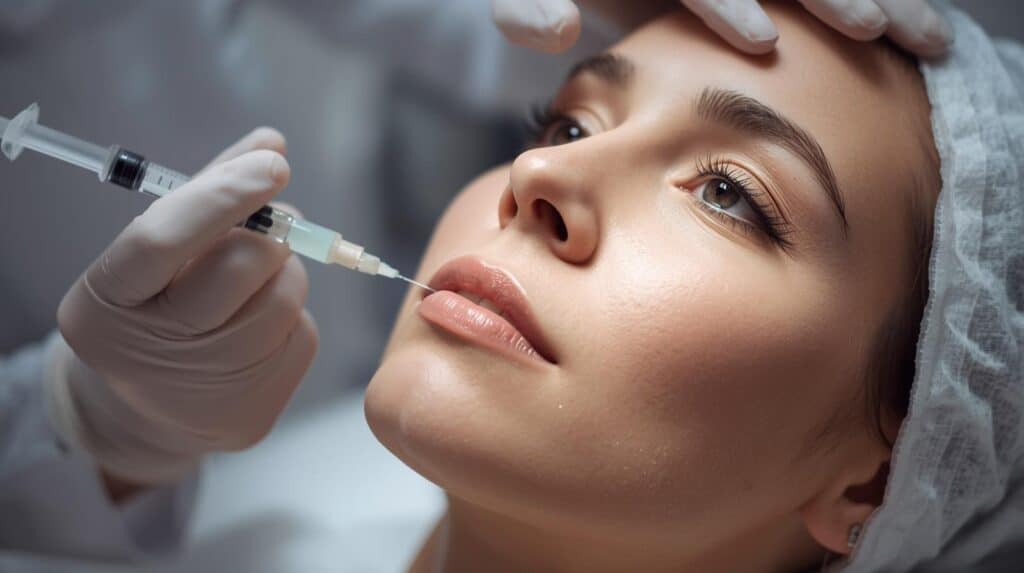
The FDA has approved it for numerous treatments.
Botulinum toxin is also used medically for conditions such as chronic migraine and excessive sweating, along with several muscle- and nerve-related disorders, depending on the product and indication.
Cosmetic Purposes
Botox is widely used as a cosmetic service.
It can treat multiple areas of the face by relaxing the muscles to help create a more youthful appearance.
Small doses of Botox are said to minimize the appearance of fine lines and wrinkles.
In addition, Botox can alleviate wrinkles around the eyes (crow’s feet), forehead creases, frown lines, and more.
Botox is a non-surgical treatment that can soften dynamic lines caused by repeated muscle movement. It does not directly resurface or change skin texture in the way a peel or laser can.
Reduces Tension
Botulinum toxin can be used as a preventive treatment for chronic migraine in appropriately selected patients, but it is not simply a general pain-relief injection.
Medical News Today states, “Botox is a neurotoxin. These substances target the nervous system, disrupting the nerve signaling processes that stimulate muscle contraction. This is how the drug causes temporary muscle paralysis.”
Minimize Sweating
Another condition that Botox can treat is Hyperhidrosis, or excessive underarm sweating.
In the same way Botox can disrupt the nervous system and muscle contraction, it can also affect your sweat glands.
Botulinum toxin can temporarily reduce sweating by blocking nerve signals to sweat glands in treated areas. Approved treatment sites and dosing depend on the product and medical indication.
Pros Of Botox
All beauty services, especially in-office treatments, have their pros and cons.
Botox is popular because it is non-surgical, quick to perform, and usually involves little downtime. The injections can still sting, and soreness or bruising is possible afterward.
However, conducting an in-depth consultation with your clinic and provider is crucial to see if you’re an excellent fit for Botox.
Non-Surgical
A considerable advantage of Botox is that it’s non-surgical.
Injectables have grown in popularity because they’re less invasive than other treatments, and you don’t have to undergo an intense operation.
Instead, you visit a clinic and are out the door.
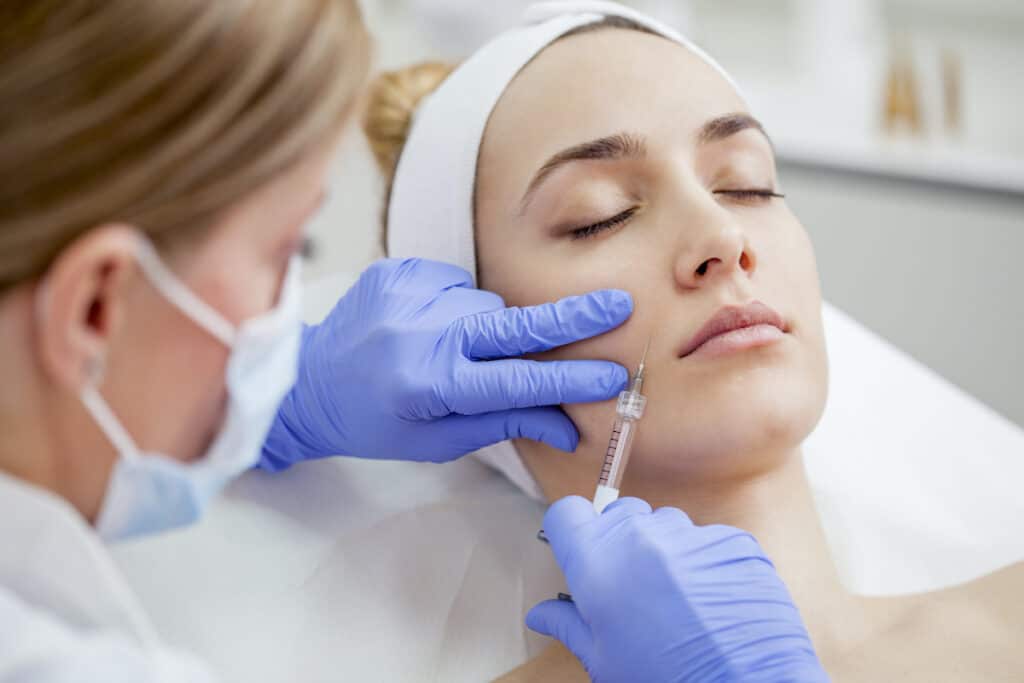
During a cosmetic treatment, a qualified clinician places small amounts of botulinum toxin into selected muscles using a fine needle. The number and location of injections depend on the treatment plan.
Little To No Downtime
Thankfully, there is no intense recovery period for Botox, unlike other surgical procedures.
However, your medical provider will still send you home with aftercare instructions, and you may be limited to certain activities.
Your provider may recommend avoiding strenuous exercise, rubbing the treated area, or lying flat for a short period after treatment. Follow the specific instructions from your injector because aftercare advice can vary.
Otherwise, you can still return to work and continue life as you usually would.
Here’s an explanation of the aftercare for Botox from Nurse It on YouTube.
Swift Results
Finally, Botox can provide quick results.
You may notice your results within a week of your treatment.
However, your outcome can heavily depend on what area was treated, how much is used, and other guidelines carried out by your clinic.
The results of Botox can last for a few months on average.
Cons Of Botox
Botox can be intimidating, especially if you aren’t a fan of needles.
In addition, Botox won’t suit every candidate, which is why it’s crucial to have an in-depth consultation with your medical provider.
One downside is that Botox is temporary, so people who want to maintain the effect generally need repeat treatments over time.
Possible side effects include bruising, swelling, headache, temporary asymmetry, or unwanted weakness in nearby muscles.
Temporary
While you see results within the first few days following your appointment, it won’t be permanent.
This is why people may fear the pain of an injection for a quick result.
However, we know that results can last for a few months.
Once the effects of Botox wear off, you will need to go in for another appointment. This may not be a downside for every individual.
Frozen Face
Most of us are aware of the meme culture behind Botox and how your face can be stuck in a particular position.
Botox reduces your control over your muscles, which can affect your facial expressions.
An article from Healthline discusses research into facial expression and mood, but that is separate from the usual cosmetic goals and should not be treated as a reason to pursue Botox.
Headaches & Bruising
You may experience a slight headache or pain on your way out of the clinic.
It’s only natural to have some discomfort following an injection to the face, but it shouldn’t last too long.
You can potentially bruise around the area of your injection.
Careful technique may reduce bruising risk, although bruising can still happen even with an experienced injector.
When Botox Side Effects Need Medical Attention
Mild tenderness, a small amount of swelling, bruising, or a temporary headache can occur after injections. Contact your provider if symptoms are severe, worsening, or not following the recovery pattern they described.
Seek urgent medical care if you develop difficulty breathing or swallowing, severe generalized weakness, trouble speaking, vision changes, or signs of a serious allergic reaction. These complications are uncommon, but they should not be managed at home.
Is Botox Painful?
Now that we know a little more about Botox, is it a painful service?
Many people describe Botox as very tolerable rather than completely painless.
The injections are usually brief, and discomfort tends to last only a few seconds at each injection point.
We’ve mentioned numerous things that can affect the pain of Botox, such as if you’ve used a numbing cream.
You may feel the pinch of the needle, a short sting, or mild pressure as the medication is injected.
Can You Use A Numbing Cream?
Numbing cream may not always be necessary during a Botox appointment.
However, it can depend on where you’re receiving Botox and how much of it.
Sometimes, a tiny pinch of the needle won’t require numbing cream.
If you are anxious about pain, discuss numbing options with your provider before the appointment. Avoid applying a random numbing cream on your own unless your clinician confirms it is appropriate for the treatment area and timing.
What’s The Size Of The Needle?
The fear of needles may diminish with a Botox service because it’s performed with thin, tiny needles.
A small needle can also affect whether the service will be painful.
There may be less of a chance you’ll feel pain with a small needle.
However, one study compared 30- and 32-gauge needles and found little difference in pain.
The 30-gauge needle is typically used in most Botox services.
What Can Affect The Pain Levels Of Botox?
Everyone may have a different experience or reaction to Botox.
While Botox is usually considered low to moderate in discomfort, several factors can change how the injections feel.
First, you’ll want to ensure you’re visiting a trusted and well-experienced clinic.
Numbing Cream
Whether or not you use a numbing cream will impact the pain levels of your Botox.
A topical anesthetic can reduce sensation in the treated area, although you may still feel pressure or some of the injections.
Numbing cream may not always be required, but it can help individuals with low pain tolerance.
Needle
The size of the needle may or may not affect the pain of the service.
The study we listed earlier showed very little difference between a 30- and 32-gauge needle.
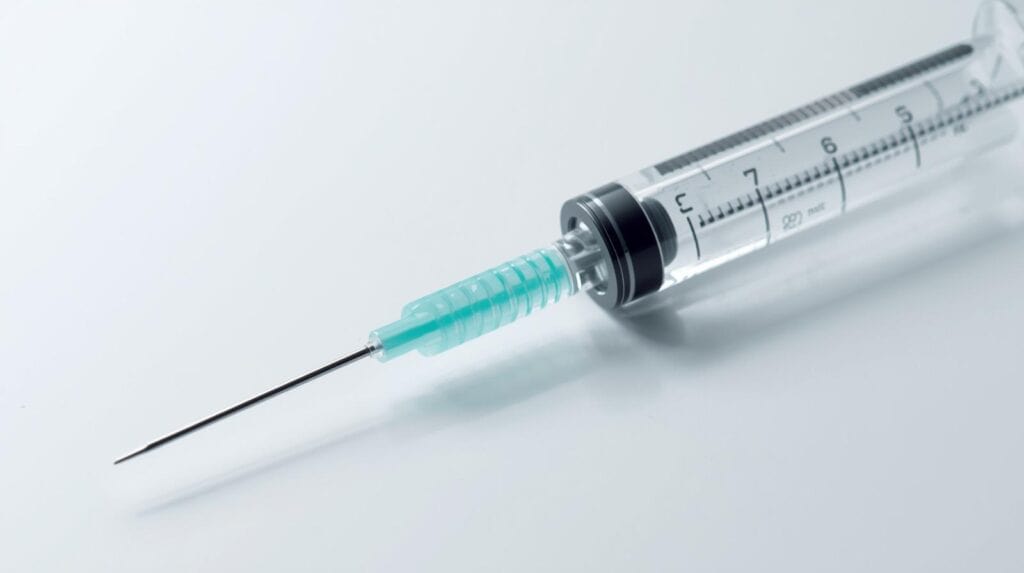
The same study reported only a small difference in pain between the needle sizes it compared, which supports the idea that needle gauge is only one part of the overall experience.
Therefore, the needles may or may not affect the overall pain associated with Botox.
Personal Pain Tolerance
Everyone will react to pain differently.
The needle pinch may feel like an unnoticeable mosquito bite for some individuals or more prominent for others.
Your pain tolerance will impact how painful you find Botox.
This will also be great to discuss with your provider to determine if you can use a numbing cream.
Clinic
Finally, your clinic can have a significant impact on your Botox experience.
Provider training matters for placement, dosing, and complication management. Side effects such as headaches or bruising can still occur even when treatment is performed correctly.
Choosing a qualified provider can reduce avoidable risks and gives you someone to contact if you develop an unexpected reaction or result.
So, it’s crucial to take your time researching and conducting consultations.
What To Expect During Your Botox Service
You can go into your Botox appointment expecting to feel some discomfort.
A fine needle will puncture the skin at several points, so some brief discomfort is normal. Many people tolerate the treatment without numbing cream.
So what things should you expect during your appointment?
Slight Pinch
The most noticeable sensation is usually the brief pinch or sting of the needle at each injection point.
Some people also notice mild pressure or stinging as the medication is placed, so the experience is not identical for everyone.
For most people, the discomfort is brief and tolerable, but tell your provider if you are particularly sensitive or anxious so they can adjust the approach.
Prepare For The Syringe
Some people may even get startled by the sounds of the syringe.
Healthline writer Sara Garone described her experience, “ I was also unprepared for the sounds the syringe made as it plugged its contents into my skin: like crunching boots on snow or the signature crack of bending a glow stick.”
Hearing unfamiliar sounds or feeling pressure can be unsettling if you do not know what to expect, so asking the injector to talk you through each step may help.
What To Expect After Your Botox Service
You may potentially feel some soreness or tenderness following your Botox service.
Remember, you will get injected with needles and may feel some residual effects.
Your provider may advise brief cooling for comfort or swelling. Use an ice pack only as directed and avoid pressing hard on the treated area.
Also, you’ll be provided with aftercare steps to ensure you maintain your results post-service.
Botox Aftercare
You will most likely discuss the aftercare required to maintain following your Botox appointment with your injector.
Aftercare is generally simple. The most important step is following the instructions from the clinician who treated you and knowing which symptoms deserve a call back.
Thankfully, the recovery from Botox isn’t too extreme, and you can quickly go back to your routine.
There will be a slight change to your face, and it can look undetectable at first.
Keep Head Level
Your injector may advise you to remain upright for a short period after treatment, but you do not need to keep your head perfectly still or level for days.
If your clinician gives an upright-time recommendation, follow it. Normal gentle movement is fine, and there is no need to avoid everyday activity simply to keep the face motionless.
Botulinum toxin does not simply slosh around under the skin, so normal head movement does not determine whether it “settles” correctly.
Unwanted effects are more closely related to dose, injection placement, anatomy, and diffusion into nearby muscles than to ordinary head movement.
Avoid Activity
Your provider may advise avoiding strenuous exercise for the remainder of the day or for a short period afterward. The exact recommendation varies, so follow the instructions you are given.
You do not need to avoid normal facial expressions or everyday movement. Focus instead on avoiding rubbing or pressing firmly on the treated areas during the initial aftercare window.
Avoid Touching The Face
Finally, you’ll want to avoid touching your face excessively.
Initial aftercare usually focuses on leaving the injection sites alone, following activity guidance, and watching for unexpected side effects while the treatment begins to take effect.
You may be asked to avoid vigorous rubbing, facial massage, or certain cosmetic treatments for a short period. Gentle skincare is usually fine unless your provider tells you otherwise.
There is no need to keep your face completely still. Follow your provider’s aftercare instructions and contact them if you are concerned about the result.
These are some general guidelines, but always follow the exact aftercare instructions from your injector or provider.
You may also want to wait before taking a shower.
How Does Botox Compare To Other Injectables?
Now that we’ve covered the pain levels of Botox, how does it compare to other injectables like fillers?
Botox and dermal fillers have different risk profiles and treatment sensations. Fillers often involve more tissue volume and may feel more uncomfortable in some areas, but pain control should be discussed with the treating clinician rather than handled with a random numbing cream.
Some fillers may contain lidocaine, but can still produce soreness and tenderness following your appointment.
Always Consult With A Dermatologist
Before deciding on any service, always have an in-depth consultation with your dermatologist.
They can help you choose the best procedure for you and guide you through each step of the process.
You may find out that Botox may not be for you, and another service will be more beneficial.
You can also receive personalized care from a dermatologist.
Takeaway
So, is Botox painful? For most people, the injections cause brief, mild-to-moderate discomfort rather than severe pain.
The needle pinch is usually the most noticeable part, although some people also feel mild stinging or pressure as the medication is injected.
However, your personal pain tolerance, the size of the needle, numbing cream, and clinic expertise can all play a role in how painful your service may or may not be.
Take your time choosing a qualified medical provider with appropriate training, a clear consultation process, and a plan for managing complications.
Always have an in-depth consultation with a dermatologist before going through any procedure to minimize risks.
Botox Pain FAQs
What Does A Botox Injection Feel Like?
Most people describe a quick pinch, sting, or mild pressure that lasts only a moment at each injection point. Areas with thinner or more sensitive skin may feel sharper than others.
Does Botox Hurt More In The Forehead?
Pain varies by person and injection point. Some forehead injections can feel more noticeable because the skin is close to bone, but the sensation is still usually brief.
How Long Does Botox Soreness Last?
Mild tenderness at an injection site is usually short-lived. Persistent or worsening pain, especially with other unusual symptoms, should be reported to your provider.
Can You Take Pain Medicine Before Botox?
Ask your injector before taking anything specifically for the appointment. Some medications and supplements can affect bruising risk, and you should not stop a prescribed medication unless the clinician who manages it tells you to.
Related Articles
When Can You Shower After Botox?
Do You Tip For Botox? – With Examples
How To Coordinate Botox And Microblading